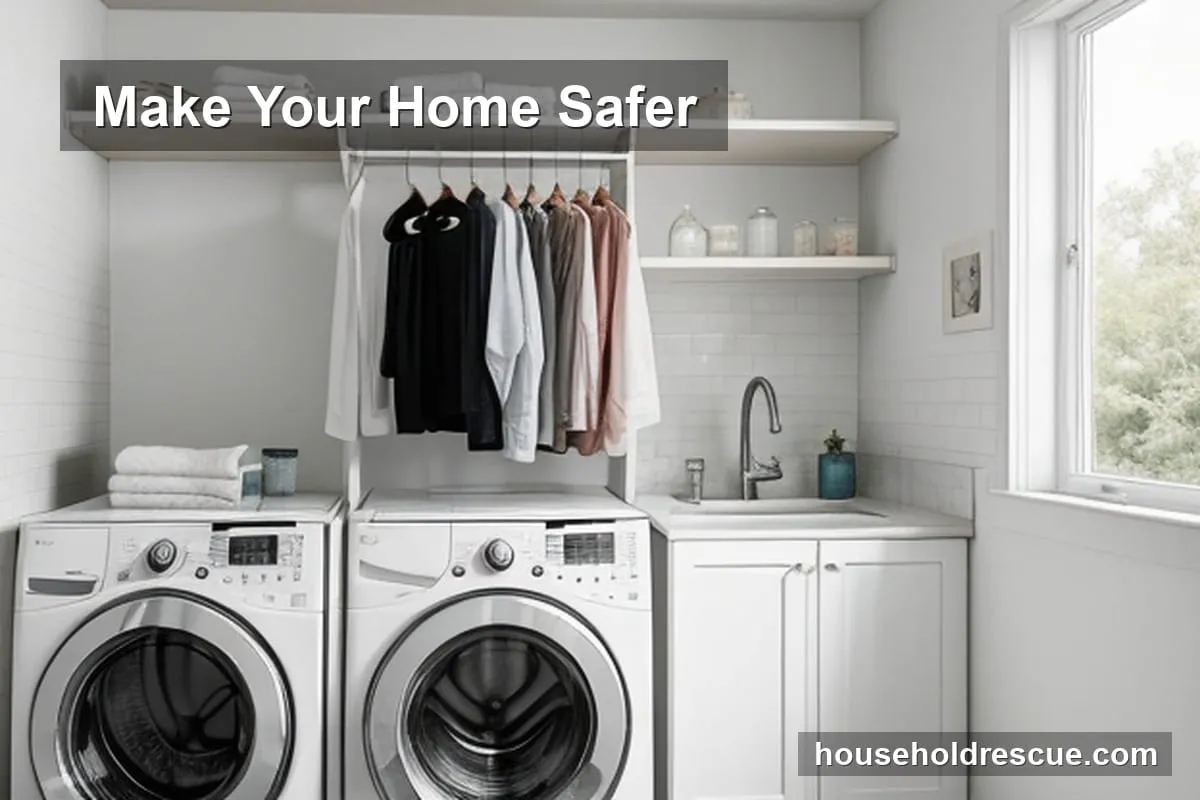

Let's be honest: the laundry room is often the most unloved square footage in a house. It's usually a cramped closet, a corner of the basement, or that weird alcove under the stairs where you shove everything until it spills out. I've been there—standing on my tiptoes trying to find a specific detergent bottle while a pile of towels threatens to topple over. But here is the thing: you don't need a massive square footage to have a laundry space that actually works for you. It's less about the size and more about how you hack the layout.
Optimizing a small laundry room isn't just about shoving things in tighter; it's about flow, light, and making every inch count without feeling like you're living inside a storage unit. Whether you are dealing with a narrow hallway or a tiny utility closet, there are specific design tricks that can turn a stressful chore into a manageable task.
Key Takeaways
- Vertical is your friend: Utilize wall space from floor to ceiling with custom shelving and stackable units to free up the floor.
- Workflow matters: Organize the room into distinct zones (sorting, washing, drying/folding) to minimize unnecessary movement.
- Lighting sets the mood: Bright, even lighting prevents eye strain and makes small spaces feel significantly larger.
- Smart storage wins: Use hidden compartments and mobile carts to keep clutter out of sight but within arm's reach.
Maximizing Vertical Space: The First Step
When you have zero floor space, you have to go up. This isn't just about putting a shelf on the wall; it's about treating your walls like real estate. In my experience helping friends with tight laundry nooks, the biggest mistake people make is stopping their storage at eye level. If you aren't using the top 12 inches of your wall, you are wasting valuable cubic footage.
Consider installing floor-to-ceiling cabinetry or shelving units. This keeps heavy items like bulk detergent and fabric softeners off the floor where they can get knocked over and creates a visual line that draws the eye upward, making the room feel taller. For the upper shelves, use clear bins labeled clearly on the front. You don't want to be climbing a ladder every time you need to find a stain remover stick.
If your budget allows, look into creating a minimalist laundry room for a clutter-free space. This approach emphasizes hiding the visual noise so the room feels larger than it is. It's about having a place for everything and nothing else.
The Stackable Solution
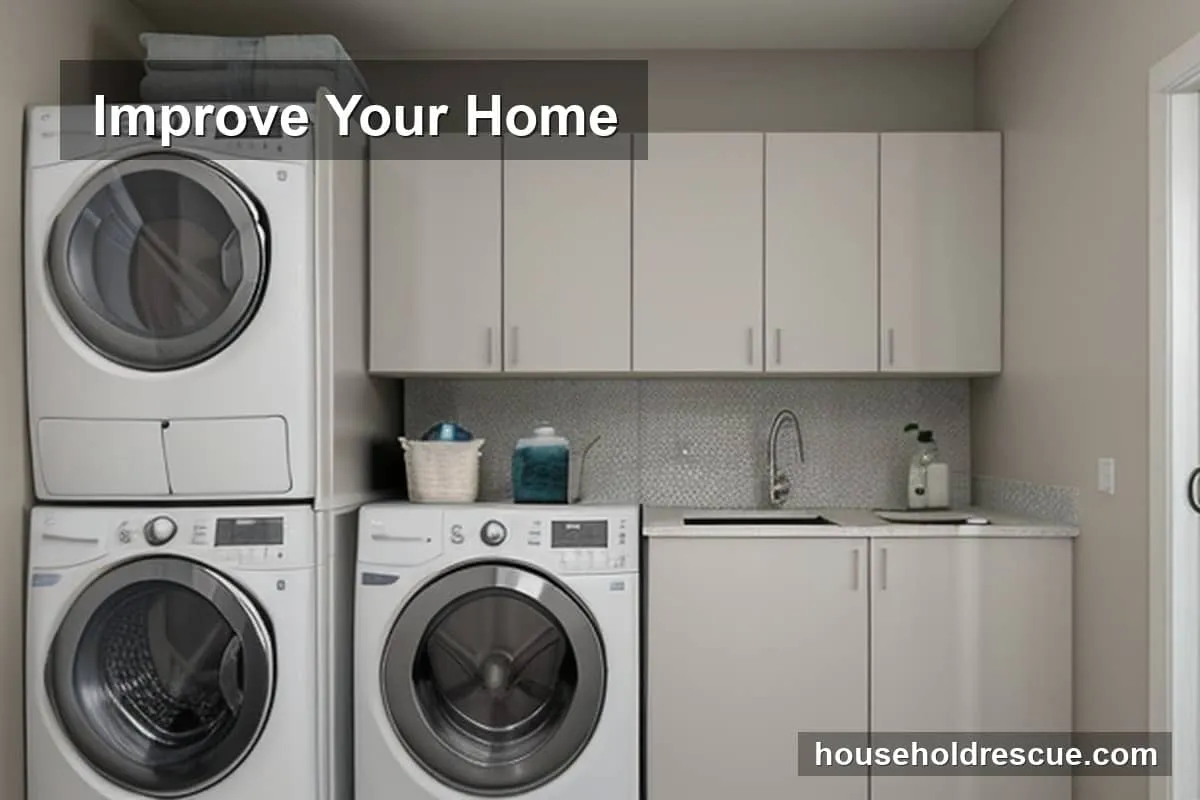
One of the most effective ways to reclaim floor space is by stacking your washer and dryer. Modern stackable units are engineered to be incredibly stable, often with built-in pedestals that add extra storage underneath. If you have a side-by-side setup in an older home, check if a stacking kit is compatible. It can instantly double your countertop or folding surface area without expanding the footprint of the room.
Smart Storage Solutions That Actually Work
Storage in a small laundry room needs to be aggressive but organized. If you just throw things into baskets, you'll end up with a "black hole" effect where you can never find what you need. The goal is accessibility.
1. Over-the-Door Organizers
This sounds basic, but if done right, it's a game-changer. Don't just hang a flimsy mesh bag on the door. Look for rigid over-the-door racks with deep bins or hooks. This is perfect for storing lint rollers, stain removal pens, and extra hangers. It keeps these small, frequently used items off your folding surface but right where you need them.
2. The Under-Sink Makeover
If your laundry room includes a utility sink (which is great for hand-washing or filling buckets), the space underneath is prime real estate. Standard cabinets often have awkward pipes that make storage difficult. You can buy adjustable shelving units designed specifically to fit under sinks, navigating around the P-trap and water lines. This is where you store cleaning sprays, mops, and vacuums.
For those looking for more specific organization hacks, check out smart ways to organize laundry products for easy access. It covers how to arrange your bottles so you aren't reaching into a dark cupboard every time.
3. Foldable and Movable Units
Furniture that disappears is gold in a small space. A fold-down ironing board mounted to the wall or a folding table that hinges up when not in use can provide a dedicated workspace without permanently occupying floor space. Similarly, a rolling cart with three tiers allows you to move your laundry basket, detergent, and hangers from the washing machine to the dryer and then to the closet in one trip.
Warning: Avoid clutter on surfaces. In a small room, a pile of clothes on the counter isn't just messy; it obstructs your workflow. If you don't have space to fold immediately, use a hanging rack or a basket that can be moved out of the way.
Designing for Workflow: Zones, Not Just Rooms
The most efficient laundry rooms aren't just about storage; they are about movement. A bad layout means you're walking back and forth across a tiny room constantly. To fix this, think in terms of zones.
Zone 1: The Sorting Station
This is where you drop off dirty clothes or separate them before washing. If you don't have space for a dedicated sorting table, use the top of your washer (if it's sturdy) or a wall-mounted rack with bins labeled "Whites," "Colors," and "Delicates." This stops you from having to sort through a giant pile later.
Zone 2: The Wash/Dry Area
This is the core. Ensure there is at least 30 inches of clearance in front of your machines so you can open doors fully and load them comfortably. If you have side-by-side units, ensure they aren't pushed so far back that you have to lean over them to reach the controls.
Zone 3: Folding and Drying
This is often the hardest part of a small room. You need a flat surface for folding. If you don't have a counter, consider a wall-mounted drop-leaf table. Alternatively, use a drying rack that folds flat against the wall when not in use. The key here is to keep this zone clear so you aren't tripping over hampers.
For more on how to define these spaces without building walls, how to style floating shelves without clutter for a clean elegant look offers great principles you can apply to laundry zones. Using visual cues like rugs or shelf placement can mentally separate the areas even in an open floor plan.
Modern Appliances: Size vs. Efficiency
You might think you need to buy smaller appliances for a small room, but that's not always true. Sometimes, buying a slightly larger, more efficient machine is better because it handles loads faster and with less effort.
- Compact Front Loaders: These are generally more space-efficient than top loaders because they don't require the extra clearance to open a lid. They also tend to be gentler on clothes and use less water.
- Stackable Units: As mentioned, these save floor space but ensure you have enough ventilation around them. Manufacturers usually specify the required clearance for heat dissipation.
- Smart Features: Appliances with Wi-Fi connectivity can be a lifesaver. You can start a load remotely so it's done when you get home, or get alerts if a cycle is finished. This reduces the time you spend hovering in the laundry room waiting.
Tip: When choosing appliances, look for Energy Star ratings. In a small room, an inefficient machine that generates more heat or uses more water can make the space feel stuffy and increase your utility bills significantly.
Lighting and Ventilation: The Unsung Heroes
It's easy to overlook lighting in a utility space, but it's critical. A dim laundry room feels claustrophobic and makes it hard to spot stains or sort colors correctly.
Bright, Even Lighting
Avoid relying on a single central bulb, which casts shadows under your machine and folding table. Instead, install LED strip lighting under wall cabinets or along the top of the room. This washes the walls with light and eliminates dark corners. For a more dramatic effect, consider how to choose the perfect paint colors for your dining room principles—using light, reflective colors on the walls can bounce light around and make the space feel twice as big.
Ventilation is Non-Negotiable
Moisture is the enemy of small spaces. Without proper airflow, you risk mold growth and that musty smell that clings to clothes. An exhaust fan is essential if you don't have a window. If you do have a window, ensure it opens easily and consider adding a vent cover to keep pests out during winter.
Maintenance for Long-Term Efficiency
Once you've optimized your space, keeping it that way is key. A small laundry room can quickly become a disaster zone if maintenance is neglected.
- Clean the lint trap: This should be done after every single load. It's not just about fire safety; a clogged trap reduces drying efficiency and makes the machine work harder.
- Check hoses: Inspect your water inlet hoses for bulges or cracks every few months. A burst hose in a small room can cause significant damage quickly.
- Wipe down surfaces: Keep a microfiber cloth handy to wipe up detergent spills immediately. Detergent residue can become sticky and attract dirt over time.
Info: For delicate fabrics, proper care is vital. If you have sensitive skin or delicate items, learning how to safely iron and steam clothes for sensitive skin can help you extend the life of your garments and reduce the need for aggressive washing cycles.
Common Mistakes to Avoid
Even with the best plans, it's easy to trip up. Here are a few pitfalls I see often:
- Ignoring Plumbing Access: If you are renovating a basement laundry room, make sure you leave enough space for plumbing access panels. You don't want to tear down new cabinets just to fix a leaky pipe.
- Overloading the Washer: It's tempting to cram everything in to save loads, but this strains the motor and leaves clothes wrinkled. Follow the manufacturer's guidelines for load size.
Frequently Asked Questions
1. Can I use a laundry room in a small apartment without a dedicated space?
Absolutely! You can create a functional laundry station in a corner of the bathroom, a hallway closet, or even under a staircase by using foldable tables and wall-mounted shelves. The key is to choose portable appliances that don't require permanent plumbing if you are in a rental.
2. How do I prevent my laundry room from smelling musty?
The most effective way is ensuring proper ventilation with an exhaust fan or a window that opens regularly. Additionally, running a cleaning cycle with vinegar and baking soda monthly can eliminate odor-causing bacteria in the machine itself.
3. Are there eco-friendly ways to set up a laundry room?
Yes, you can significantly reduce your environmental impact by choosing energy-efficient appliances with high Energy Star ratings. Using cold water for washing and line-drying clothes when possible also cuts down on energy consumption and utility bills.
4. What's the best way to organize laundry in a tiny space?
The best approach combines hanging organizers for small items like hangers and lint rollers with stackable bins for detergents. Keeping only essential items in the room and using labels ensures everything has a designated spot, preventing clutter from accumulating.
5. How can I make my laundry room look stylish?
You can achieve a stylish look by choosing a cohesive color scheme that reflects light, adding decorative elements like small plants or a patterned rug, and selecting modern appliances with sleek finishes. A well-lit, organized space naturally feels more elegant.
6. Should I hire a professional for my laundry room setup?
If your project involves moving plumbing lines, installing new electrical outlets, or major structural changes, hiring a licensed professional is the safest and most reliable option. However, for storage solutions, painting, and organizing, you can often achieve great results with DIY planning.
Final Thoughts
Optimizing a small laundry room is less about finding a magic trick and more about being intentional with your space. By focusing on vertical storage, creating logical zones for your workflow, and ensuring the lighting and ventilation are adequate, you can transform a cramped closet into a functional hub that makes chores easier.
Remember, the goal isn't just to fit everything in; it's to make the process of doing laundry as stress-free as possible. With a little creativity and some smart organization, your small laundry space can become a model of efficiency.
Note: This article provides general home improvement advice. For specific plumbing or electrical modifications, always consult with a qualified professional to ensure safety and compliance with local building codes.