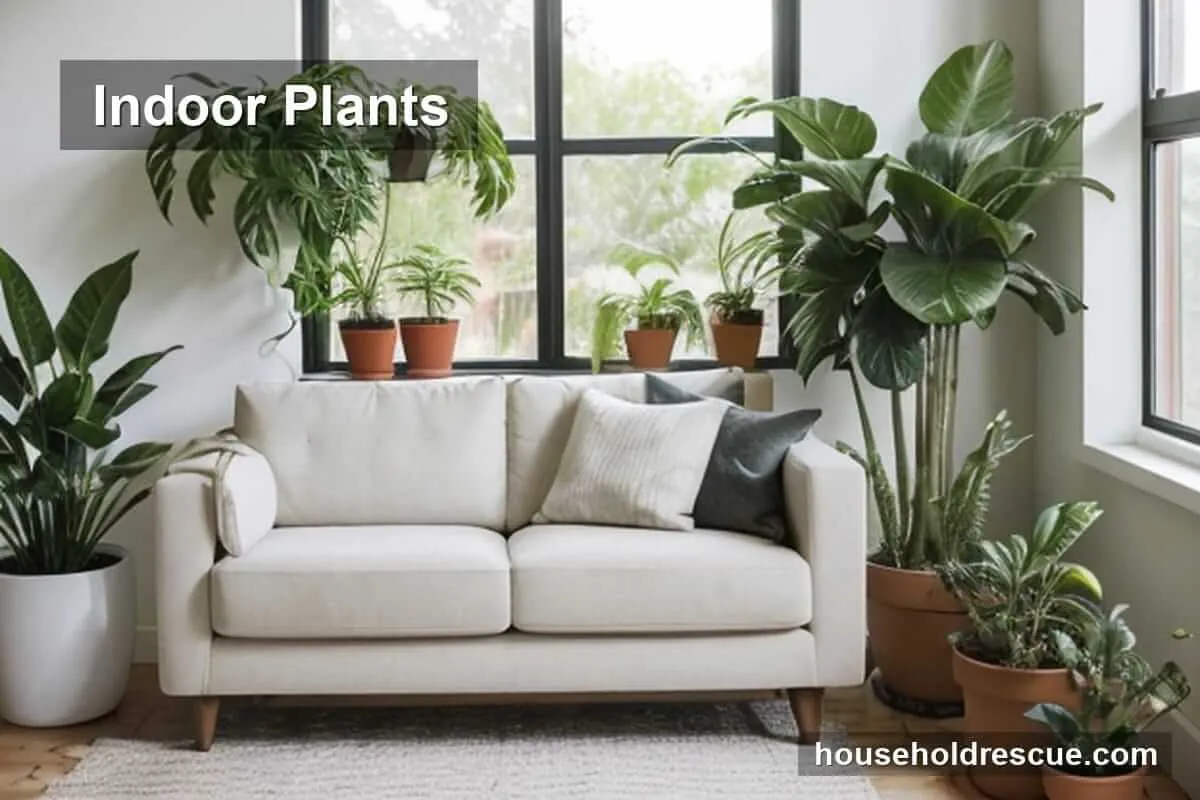
Indoor Plants
This section offers solid advice on indoor plants care to help you maintain a thriving collection of greenery in your home. You will find clear instructions on selecting the right spot based on natural light and how much water different species actually need. Many people struggle with yellowing leaves or pests like aphids, so we cover common issues and simple fixes using everyday household items. Our guides focus on basic soil health and safe fertilization methods that work for beginners and experienced gardeners alike. We aim to give you the confidence to grow healthy foliage without constant worry about your plants dying.
Latest
Indoor Plants Articles
Explore our latest expert-approved articles featuring practical Indoor Plants.



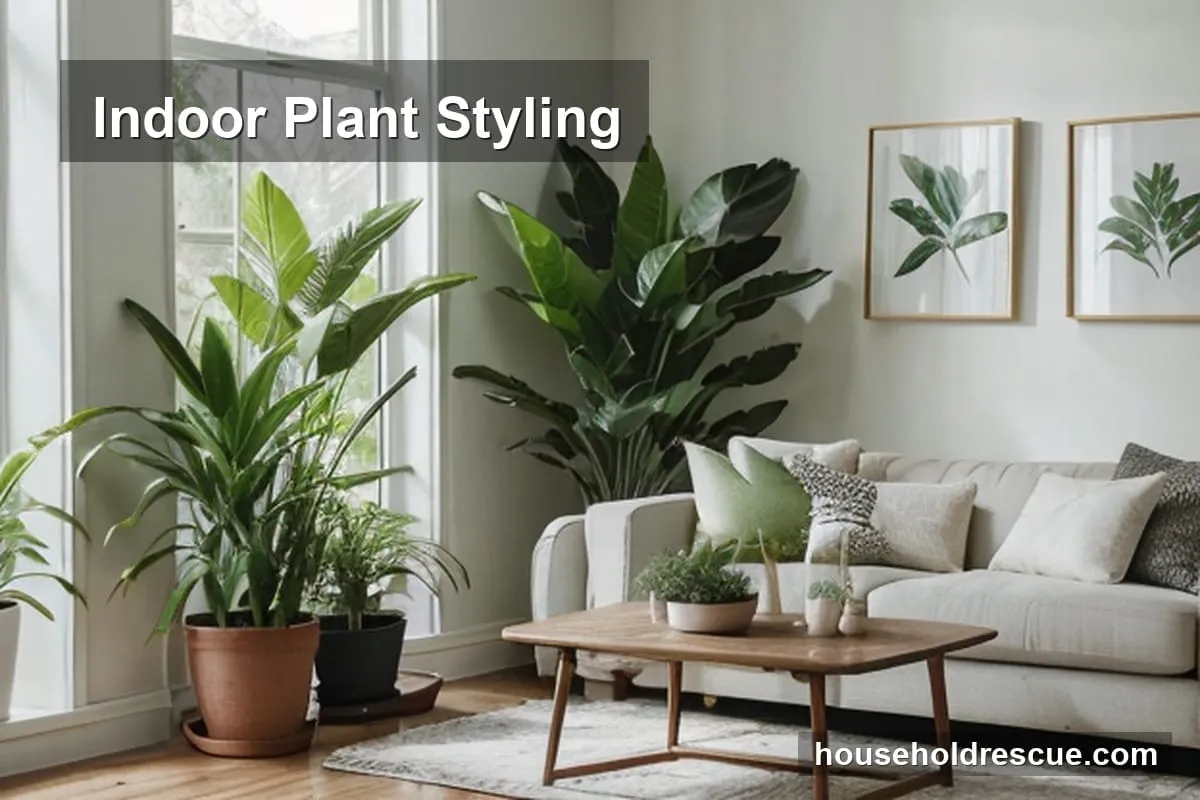
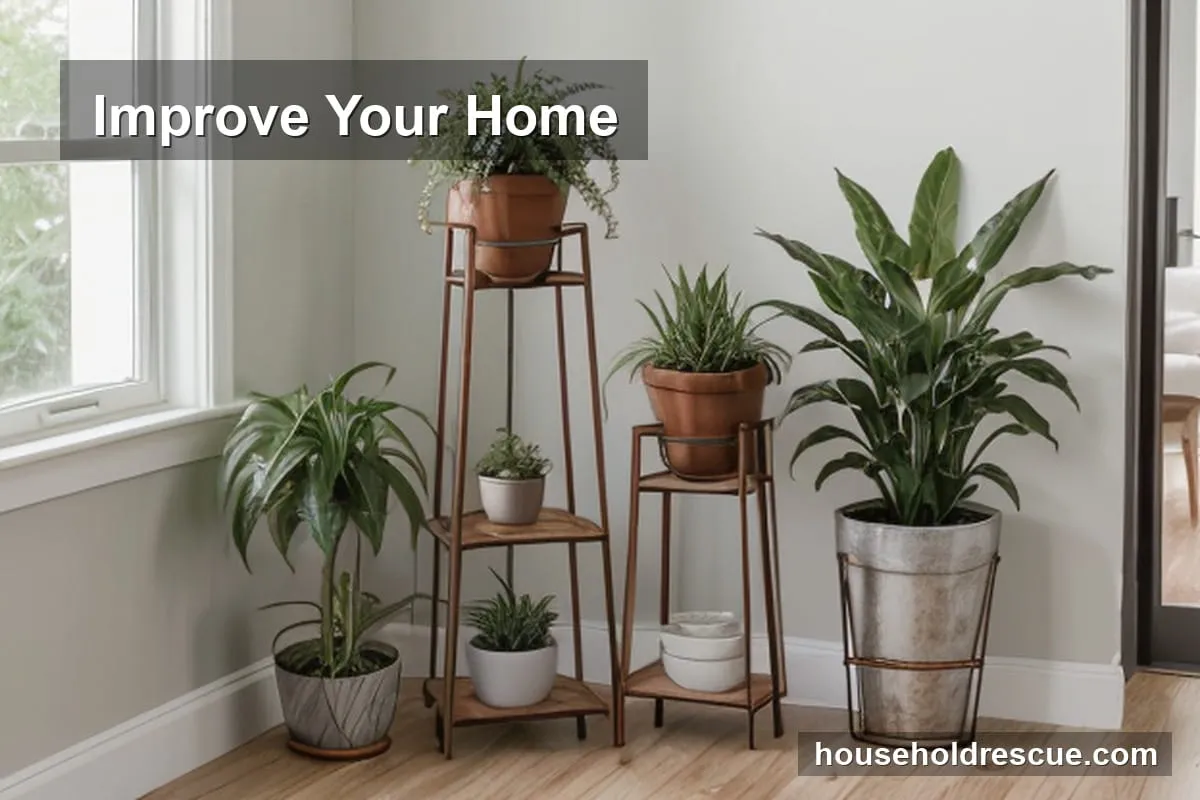
Indoor Plant Styling
Top 10 Plant Stands and Shelves for Indoor Plant Displays
Lifting plants improves air circulation to prevent root rot while tiered designs ensure lower leaves catch enough light for bushy growth without becoming leggy. The article details ten specific options like heavy-duty metal tiered stands, teak wall-mounted shelves, and rotating corner pedestals that handle humidity well or support heavy pots safely.
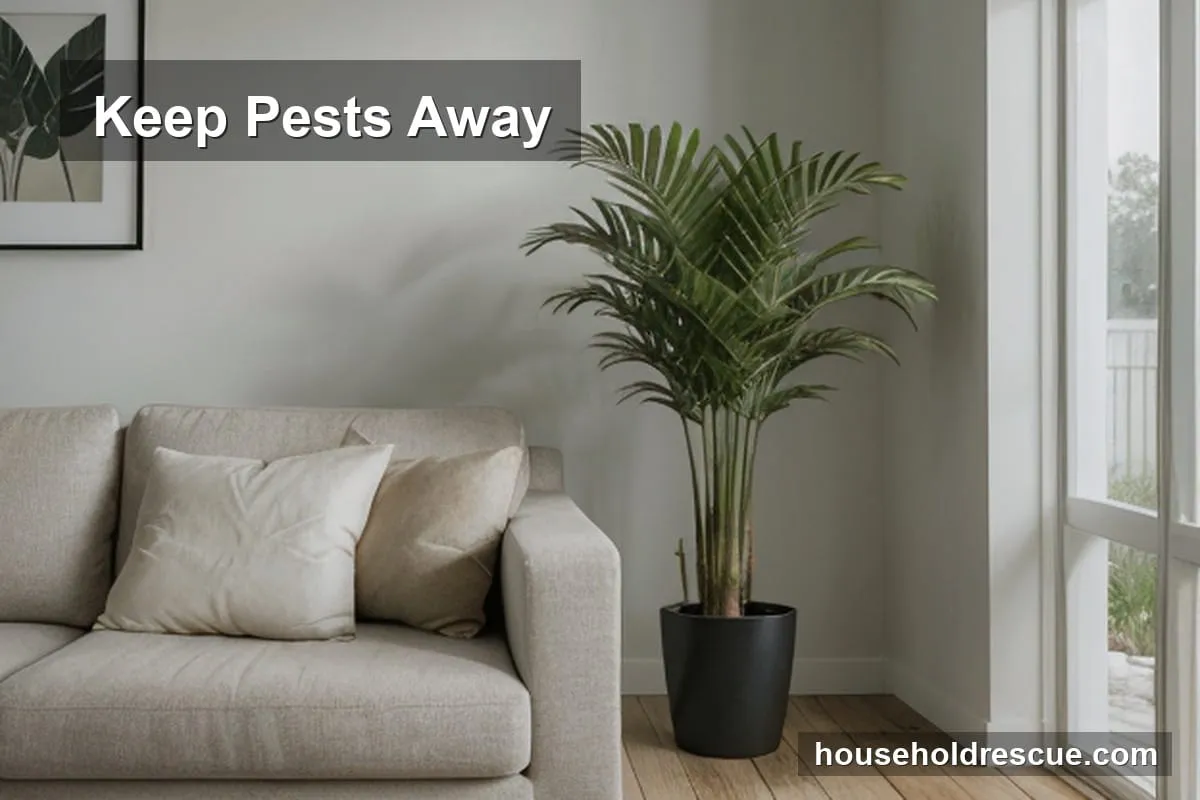
Low Light Plants
Best Indoor Palms for Dim Rooms: Low-Maintenance Plants That Thrive
Many gardeners mistakenly buy Sago Palms or ZZ Plants expecting them to survive in dark corners, only to end up with dying foliage because they need bright light. You should actually choose the Parlor Palm, which evolved for deep shade, and remember that overwatering is the real killer since these slow growers need far less water than typical tropical species.

Air Purifying Plants
How Air-Purifying Plants Improve Home Atmosphere
Your home air often feels heavy because sealed windows trap pollutants like formaldehyde and benzene from furniture, creating a stale environment that affects your well-being. Snake Plants, Spider Plants, and Peace Lilies actively filter these toxins through their leaves and root microbes without needing electricity or complex maintenance. Success depends on matching each species to your specific light levels and avoiding overwatering, which kills more indoor greenery than poor air quality does.
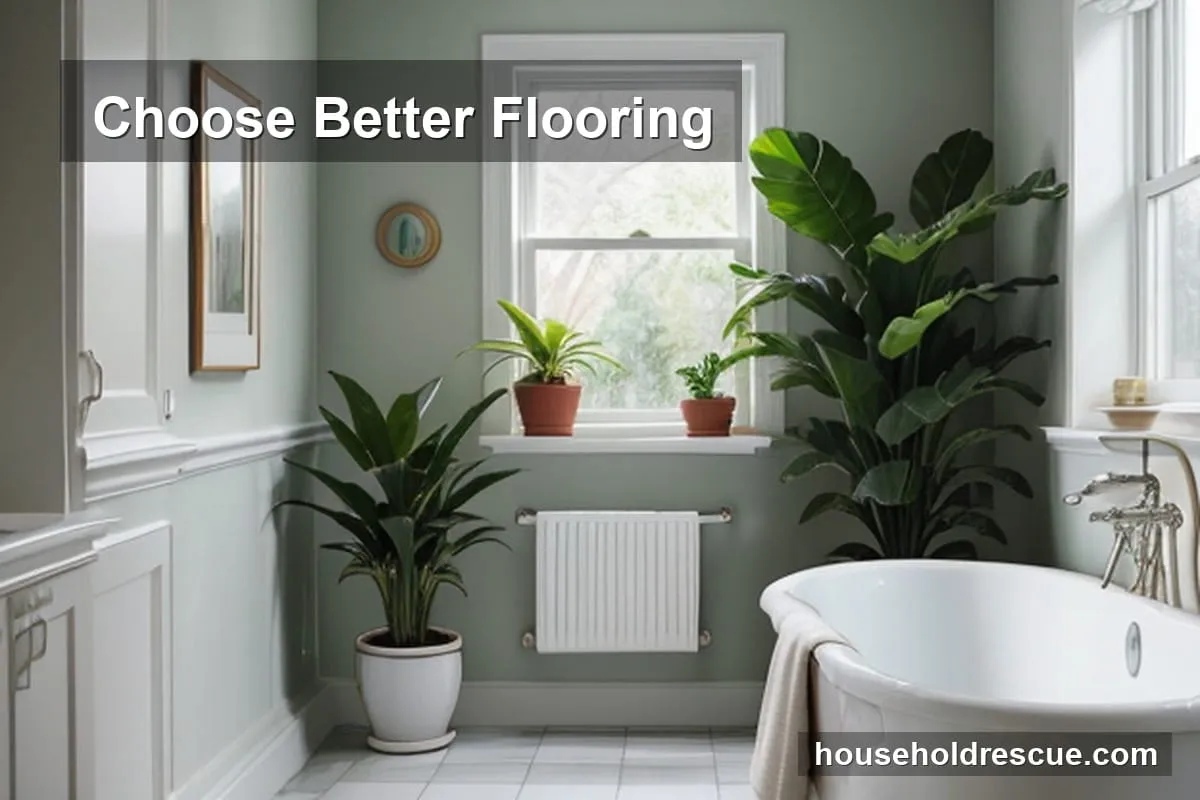
Low Light Plants
Expert Picks: Top Low Light Plants for a Thriving Bathroom Oasis
Steam from a single hot shower creates a rainforest floor environment for about 20 minutes, which many tropical species prefer over dry living rooms. This natural humidity boost allows plants like Snake Plants and Boston Ferns to thrive without constant misting or direct sunlight. You just need to match the specific species to your light levels and remember to let the soil dry out between waterings to prevent root rot.
Low Light Plants
How to Spot and Treat Pests on Low-Light Houseplants: A Complete Guide
Half your low-light parlor palm turned yellow before you noticed the spider mite webbing because they hide in dim corners where inspections are rare. You must isolate the infected plant immediately and wash it with water to stop the pests from spreading to your other greenery.

Low Light Plants
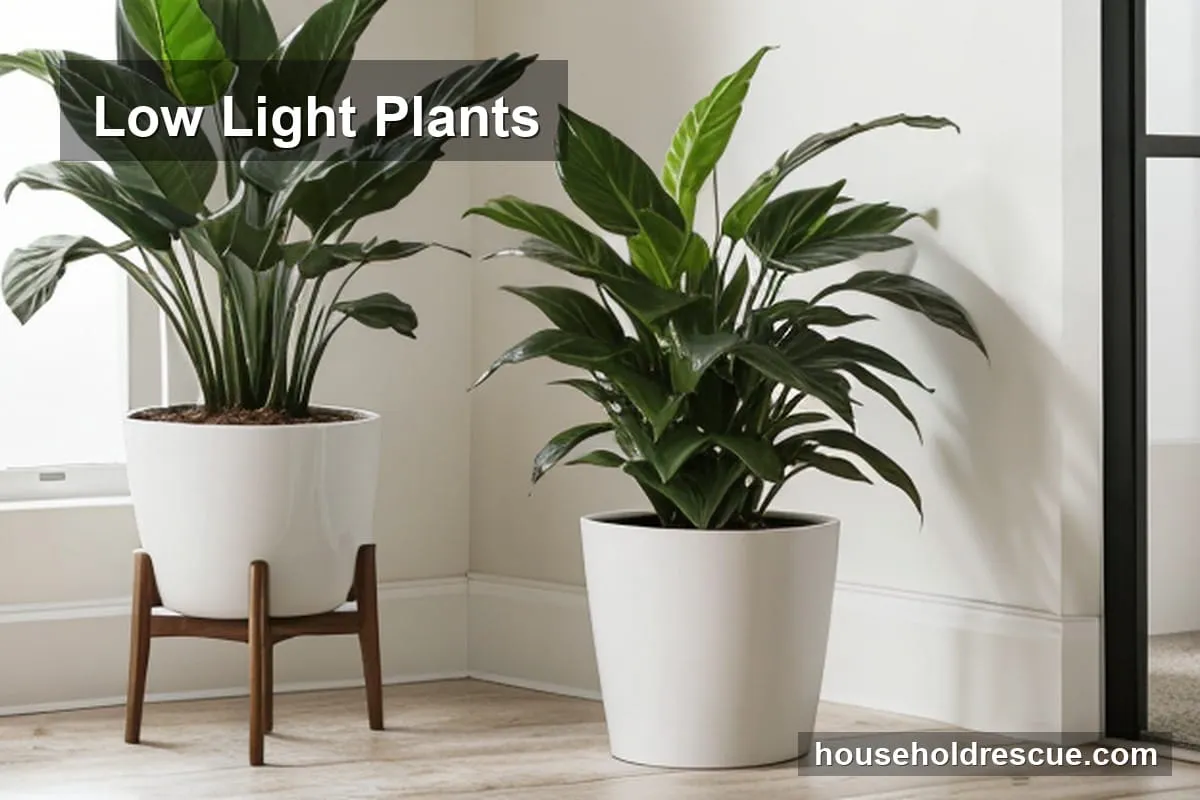
How to Care for Parlor Palms in Low Light Spaces
The parlor palm thrives in dim corners but still needs some illumination to survive long-term. You should let the soil dry out completely by checking it two inches deep before watering again to prevent root rot.
Plant Diseases & Pests
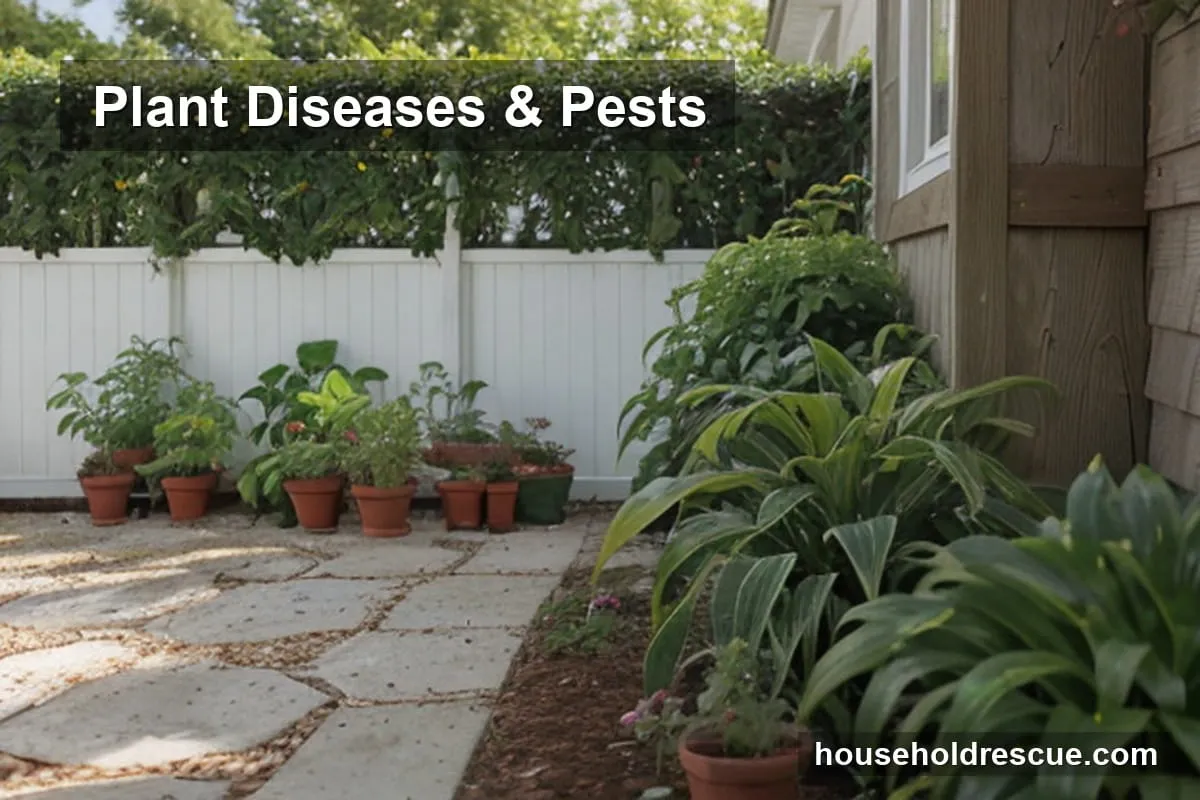
White Fuzz on Indoor Plants: What It Means and How to Treat It
Is that white fuzz on your Monstera a sign of disaster? Distinguish between harmless natural velvet and active mealybug infestations by checking if the texture moves or feels waxy. You can safely remove visible pests with a cotton swab dipped in 70% isopropyl alcohol while isolating the plant to stop the spread. This careful identification prevents you from applying unnecessary fungicides that stress the plant, ensuring your collection stays healthy without wasted effort.
Monstera Care
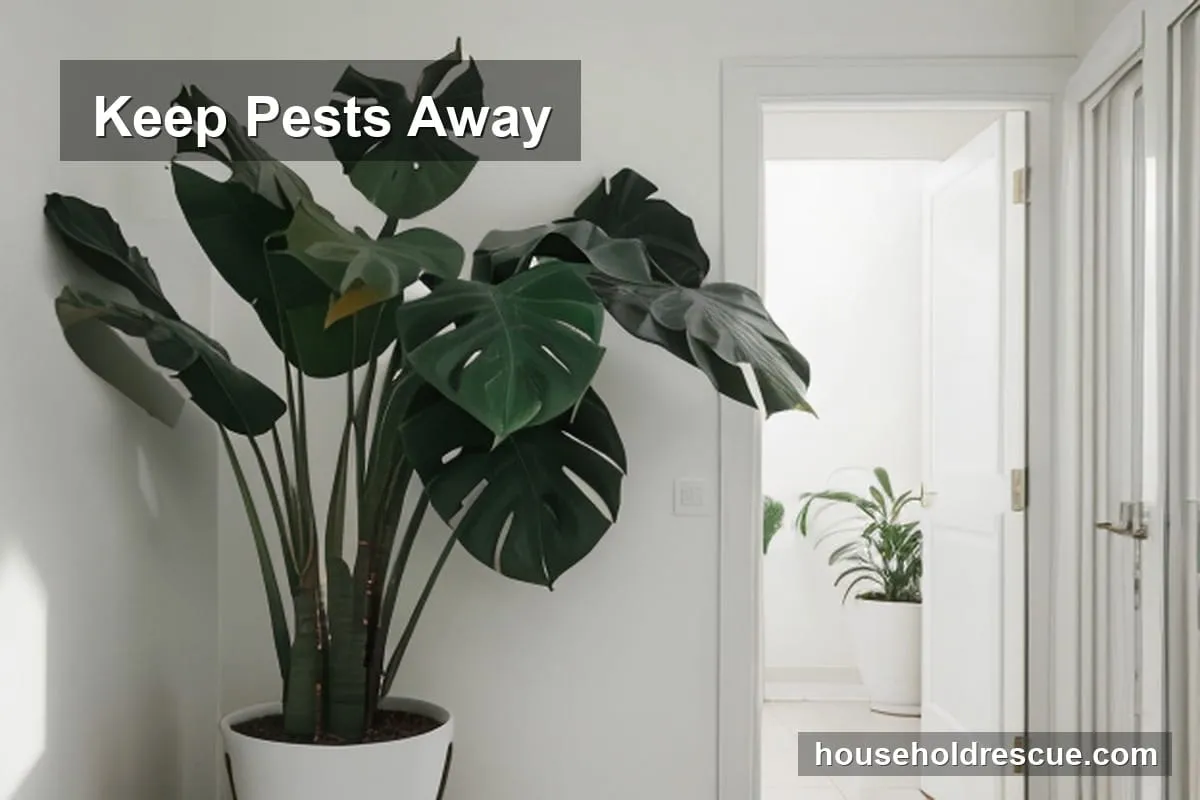
Monstera Fertilizer Guide: When and How to Feed Your Plant for Optimal Growth
Many people guess the right moment to feed a Monstera, but you should wait for spring growth before applying fertilizer every 4-6 weeks. Use half-strength liquid food to avoid root burn while encouraging large leaves.

Plant Diseases & Pests
Spotting Bacterial Infections in Houseplants: How to Identify and Fix Them
A foul smell like decaying fish often reveals a bacterial infection before you even see the damage on your leaves. This distinction matters because bacteria move through water vessels causing sudden wilting and soft rot that looks like overwatering but requires copper-based treatment to stop the spread.

Air Purifying Plants
How to Choose and Care for Air-Purifying Plants at Home
Is your new greenery struggling or dying? You can stop overwatering by checking the soil depth first and waiting to water only when the top inch is dry. This simple habit prevents root rot while letting plants like the Snake Plant or ZZ Plant filter indoor pollutants effectively.

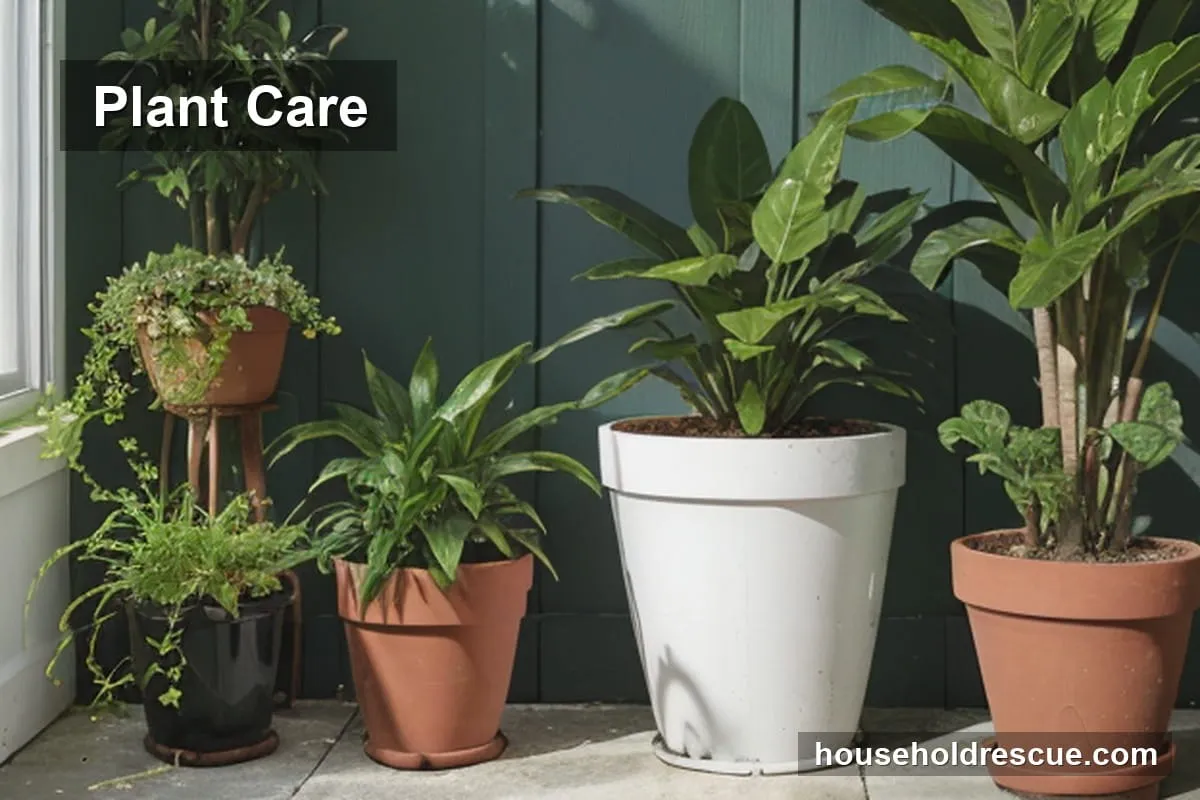
Plant Care
Revive Your Indoor Garden: Simple Tips to Repot and Refresh Houseplants
Is your houseplant struggling or looking root-bound? Spring offers the best time to repot by checking for circling roots and swapping compacted soil for fresh mix in a pot just one to two inches larger. This routine clears out old salts, gives roots room to breathe, and triggers healthy new growth before summer arrives.
Plant Propagation
Why Are My Houseplant Cuttings Rotting Instead of Rooting? Expert Tips to Save Your Plants
Save rotting houseplant cuttings by trimming away all soft tissue to remove bacterial infections caused by waterlogged soil, then let the wound callous over before repotting in a sterile mix with perlite for proper airflow. This approach works because roots need oxygen more than water, so switching from heavy all-purpose soil to an airy propagation medium prevents the anaerobic conditions that turn stems into brown sludge.