Crafting a Room That Evolves With Your Child
I remember the first time I walked into my daughter's new nursery. It was beautiful, sure—pastel walls, a plush rug, and a crib that looked like it belonged in a showroom. But within three months, that pristine room had turned into a chaotic landscape of scattered toys, spilled juice, and clothes everywhere. That's when I realized: decorating a kid's room isn't about making it look perfect for the camera; it's about creating a space that actually works for the chaos of childhood.
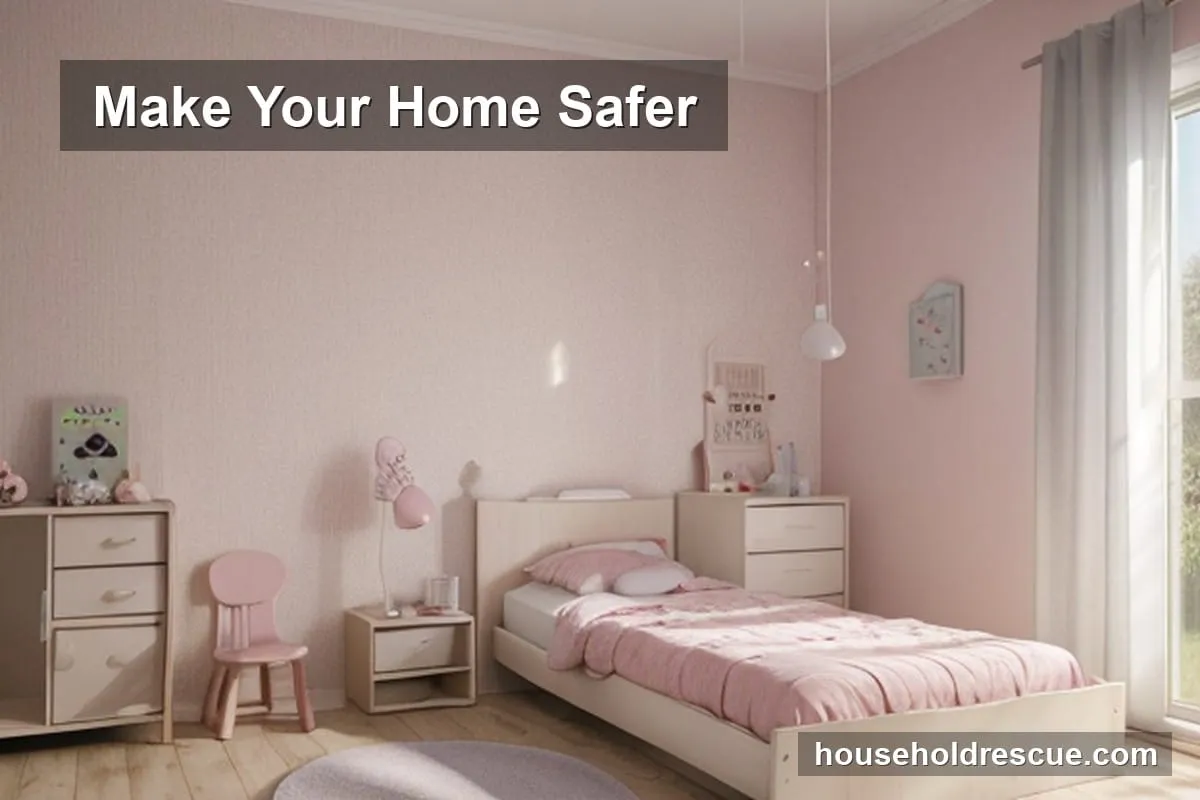
Choosing the right accessories for kids' rooms means balancing safety, durability, and style. You want your child to feel secure exploring their world, yet you also need those spaces to remain functional as they grow from crawling infants into busy teenagers. The best accessories aren't just decorative; they are tools that support development, organization, and comfort.
Key Takeaways
- Child safety must come first: Choose non-toxic materials, ensure corners are rounded, and anchor every piece of furniture securely.
- Think vertically: Use wall-mounted shelves and mirrors to boost storage capacity without crowding small spaces.
- Eco-conscious choices: Look for sustainable materials like bamboo and organic cotton that are better for the planet and your child's health.
- Get the kids involved: Allowing children to pick out their own decor helps build a real sense of ownership and sparks creativity.
Crafting a Room That Evolves With Your Child
When browsing online stores, it's easy to reach for anything that looks adorable. Yet as a parent or caregiver, safety must always come first. Children are unpredictable; they climb, tumble, and mouth everything within reach. Consequently, every accessory requires careful vetting for potential hazards.
Start by checking the materials. Not all "wood" is created equal. Particle board can off-gas volatile organic compounds (VOCs), linked to respiratory issues and other health concerns. Instead, opt for solid wood or bamboo, ensuring any paints or finishes used are certified non-toxic. A good rule of thumb involves looking for the GREENGUARD Gold certification, which verifies that products meet strict chemical emissions limits for children's environments.
Pro Tip: When purchasing furniture, always verify compliance with ASTM F2057 safety standards. This standard specifically addresses the stability of freestanding units to prevent tip-overs, a leading cause of injury in children's rooms.
The Choking Hazard Reality
Small detachable parts pose a significant risk to toddlers. If an accessory fits inside a toilet paper tube, it's too small for any child under three years old. This covers decorative beads on curtains, tiny buttons on plush toys, or loose components from DIY kits. Even simple pull-cord blinds present a strangulation hazard; always choose cordless window treatments or keep cords tight and out of reach.
Stability Matters
I once watched a toddler try to climb onto a bookshelf that wasn't anchored. It was terrifyingly close to a disaster. Furniture accessories like tall shelves, dressers, and even some heavy mirrors should be secured to the wall with anti-tip brackets. This isn't just about preventing furniture from tipping; it's about creating a stable environment where kids feel free to explore without constant intervention.
A Room That Grows With Your Child
A nursery that works for a newborn won't necessarily work for a five-year-old. The accessories you choose should evolve as your child's motor skills, cognitive abilities, and interests change.
Infants and Toddlers (0–3 Years)
In these formative years, sensory development takes center stage. Accessories need to be soft, washable, and safe for mouthing. Opt for textured rugs that vacuum easily, vinyl wall decals you can peel off without harming the paint, and low-to-the-ground storage bins. These containers help toddlers grasp the concept of "putting away" toys on their own, fostering early organizational skills.
Did You Know? Mirrors aid infant self-recognition and motor skill development, provided they are mirrors designed for safe placement—specifically shatterproof units that are securely mounted.
Preschoolers and School-Age Kids (4–12 Years)
This space evolves into a multi-purpose hub as the child grows. Storage must expand to accommodate school supplies, art projects, and more complex toys. Interactive elements like chalkboard paint or magnetic walls transform a blank wall into a learning station. Lighting also becomes crucial; adjustable lamps help with homework focus, while dimmable lights can signal bedtime routines.
Teenagers (13+ Years)
For teens, the room often shifts toward a personal sanctuary or a social space. Accessories should reflect their growing independence and style. Modular shelving units that can be reconfigured are excellent here, as they adapt to changing storage needs. Acoustic panels might be useful if they play music or game online, helping to dampen noise for better sleep.
Functional vs. Decorative: Striking the Balance
It's easy to get carried away with cute decor, but a kid's room needs to function first. Clutter is the enemy of a peaceful home, and kids rarely have the discipline to keep it tidy on their own. The best accessories are those that serve a dual purpose: they look good while solving a practical problem.
Smart Storage Solutions
Storage shouldn't be an afterthought. Use clear bins with labels so kids know exactly where things go. Over-the-door organizers are fantastic for saving floor space, perfect for holding art supplies or small toys. If your room is tight on space, consider how you can use vertical space effectively.
Space Saver: Just as you might optimize a bathroom vanity with organizers and trays, applying similar logic to kids' rooms can work wonders. Look into smart storage solutions for cluttered spaces to improve toy bins and shelving arrangements.
Lighting and Mirrors
Lighting sets the mood. Harsh overhead lights can be overwhelming, so layer your lighting with floor lamps or string lights for a softer ambiance. And don't forget mirrors. A well-placed mirror not only makes a room feel larger but also helps kids check their appearance as they get older. If you're looking to brighten the space, learning how to use mirrors effectively can transform even the darkest corner into a light-filled nook.
Eco-Friendly and Sustainable Choices
Sustainability isn't just a trend; it's a responsibility. Choosing accessories made from recycled or upcycled materials reduces waste while often delivering higher quality, longer-lasting products. Bamboo stands out as an excellent alternative to traditional wood, growing quickly and offering natural resistance to moisture. Similarly, switching to energy-efficient LED lighting provides a straightforward way to save on electricity bills over time.
Warning: Be cautious with "green" claims. Some products labeled as eco-friendly may still contain hidden chemicals. Always check for third-party certifications and read ingredient lists carefully.
Personalization: Crafting a Space That Feels Like Home
A room that truly feels like home is one where the child feels seen. Invite them into the decorating process while maintaining safe boundaries. Allow them to select their favorite colors for bedding or choose wall art that reflects their personal hobbies.
DIY and Custom Decor
Personalized touches don't have to be expensive. You can create custom wall art featuring their name or favorite characters. DIY craft kits can turn a plain box into a personalized treasure chest. The act of creating something together also strengthens the bond between parent and child.
Plants in Kids' Rooms
Nature lends a calming presence to any room. Yet, not every greenery is safe for curious hands. Opt for non-toxic varieties such as spider plants or Boston ferns. If you're concerned about upkeep, many low-maintenance choices are readily available.
Green Tip: For a touch of nature without the worry, consider low-maintenance plants that thrive in indoor environments. They can improve air quality and add a vibrant green accent to the room.
Common Mistakes to Avoid
Even with the best intentions, it's easy to make mistakes. Here are some common pitfalls to watch out for:
- Clutter overload: Packing a room with too many accessories creates visual chaos rather than comfort. A restrained approach works best: choose a unified color scheme and intentionally preserve areas of empty wall or floor to let the design breathe.
- Ignoring safety standards: Just because an item looks cute doesn't mean it's safe. Always check for certifications and stability.
- Choosing cheap, low-quality items: Budget-friendly is great, but don't sacrifice durability. Cheap plastics can break easily or contain harmful chemicals.
Budget-Friendly Tips
Decorating a kid's room doesn't have to break the bank. Secondhand stores and online marketplaces are goldmines for gently used furniture that can be sanded and repainted. DIY projects, like painting storage boxes or creating custom wall art, can add unique touches without the high cost of store-bought items.
Energy Saving: Just as you maintain your home's infrastructure for efficiency, consider how your choices affect energy use. For instance, learning about green home maintenance can inspire you to select durable, long-lasting accessories that reduce waste over time.
Frequently Asked Questions
1. What are the safest materials for kids' room accessories?
For a kids' room, opt for organic cotton, bamboo, solid wood finished with non-toxic products, and low-VOC paints. Choosing these materials helps minimize exposure to harmful chemicals and potential allergens.
2. How can I maximize storage in a small kids' room?
Crafting a functional kids' room involves maximizing vertical space by installing wall-mounted shelves and choosing multi-functional furniture, such as beds equipped with built-in drawers. To further optimize the layout, look for over-the-door organizers that hold smaller items without consuming valuable floor area.
3. Are eco-friendly accessories more expensive?
While some eco-friendly options may have a higher upfront cost, they often last longer and are better for your child's health. You can also find affordable alternatives by shopping secondhand or looking for sales on sustainable brands.
4. How do I involve my child in decorating their room?
Let them pick out colors, wall art, and accessories that align with their interests. This builds a sense of ownership and makes the space feel truly special to them.
5. Can I use plant stands in a kids' room?
Absolutely! Plant stands bring a natural element into the space while offering safe spots for small plants or decor. Just make sure to pick non-toxic varieties and position them where children can't reach them.
Plant Care Tip: If you're adding greenery, check out affordable indoor plant care tips to save you money on maintenance and supplies.
6. What are the latest trends in kids' room accessories today?
Current trends include smart storage solutions, interactive decor like chalkboard walls, and eco-friendly materials. Modular furniture that grows with your child is also a popular choice.
Final Thoughts
Creating the perfect kids' room is about more than just aesthetics; it's about building a safe, functional, and inspiring environment where your child can grow. By prioritizing safety, choosing age-appropriate accessories, and involving your child in the process, you can create a space that truly feels like home.
Remember, the goal is to make the room adaptable as your child grows. Whether it's through smart storage solutions or eco-friendly choices, every accessory you choose contributes to a healthier, happier home for your family.
Sources & References
- ASTM F2057 - Standard Consumer Safety Specification for Freestanding Household Furniture — ASTM International
- GREENGUARD Certification Program Overview — UL Solutions