Best Indoor Palms for Dim Rooms: Low-Maintenance Plants That Thrive
You know that awkward corner in your hallway or the north-facing living room where nothing seems to grow? I've been there. You buy a plant, it looks great for a week, and then suddenly you're staring at brown, crispy leaves wondering if you have a black thumb.
Here's the good news: palms are some of the most forgiving plants we can work with, but not all palms play nice in the shadows. Many people mistakenly throw money at Sago Palms or ZZ Plants expecting them to thrive where there is almost no sun, only to end up with a sad, dying plant.
Let's clear the air first. If you are looking for greenery that actually survives and grows in dim conditions without demanding a full-time job of care, you need to be picky about what you buy. We are going to cut through the marketing fluff and look at which palms genuinely tolerate low light, how to spot the early signs of trouble, and where to fit them in your home.
Key Takeaways
- The Parlor Palm is the only true palm that consistently thrives in deep shade; other popular choices like the Sago Palm are often mislabeled as low-light plants.
- Low light palms require less water than their sun-loving counterparts; overwatering is the number one cause of death for these plants.
- Before adding a new plant, check if it is toxic to pets or children, especially if you have curious cats or dogs wandering around.
Why Low-Light Palms Are a Smart Choice
Bringing nature indoors isn't just about aesthetics. Studies suggest that having plants in your living space can lower stress levels and improve concentration[1]. However, the struggle is real when you have limited natural light.
Palms are unique because they bring an instant tropical vibe. Unlike leafy vines that might get leggy and reach for a window, many palms maintain their shape even in darker corners. They act as living sculptures. But here is the catch: "low light" doesn't mean "no light." Even the most shadow-tolerant palm needs some photons to survive.
Clarifying the Confusion: True Palms vs. Lookalikes
Before we get into the specific recommendations, we need to address a common misconception in the plant world. When you see lists of "Low Light Palms," they often include plants that aren't actually palms.
The Sago Palm (Cycas revoluta) is frequently recommended for low light, but it is technically a cycad. It prefers bright, indirect light and will struggle significantly in dim rooms[2]. Similarly, the ZZ Plant (Zamioculcas zamiifolia) is often grouped with palms because of its upright growth, but it belongs to the Araceae family. While it is incredibly tough in low light, calling it a palm is botanically incorrect.
We will focus on the true palms that can handle the shade, while also acknowledging the lookalikes that are popular for this specific use case because they are so effective at surviving where other plants fail.
Top Indoor Palms That Thrive in Dim Rooms
These are the heavy hitters. They won't grow as fast as they would in a sunny window, but they will stay healthy and green for years.
1. Parlor Palm (Chamaedorea elegans)
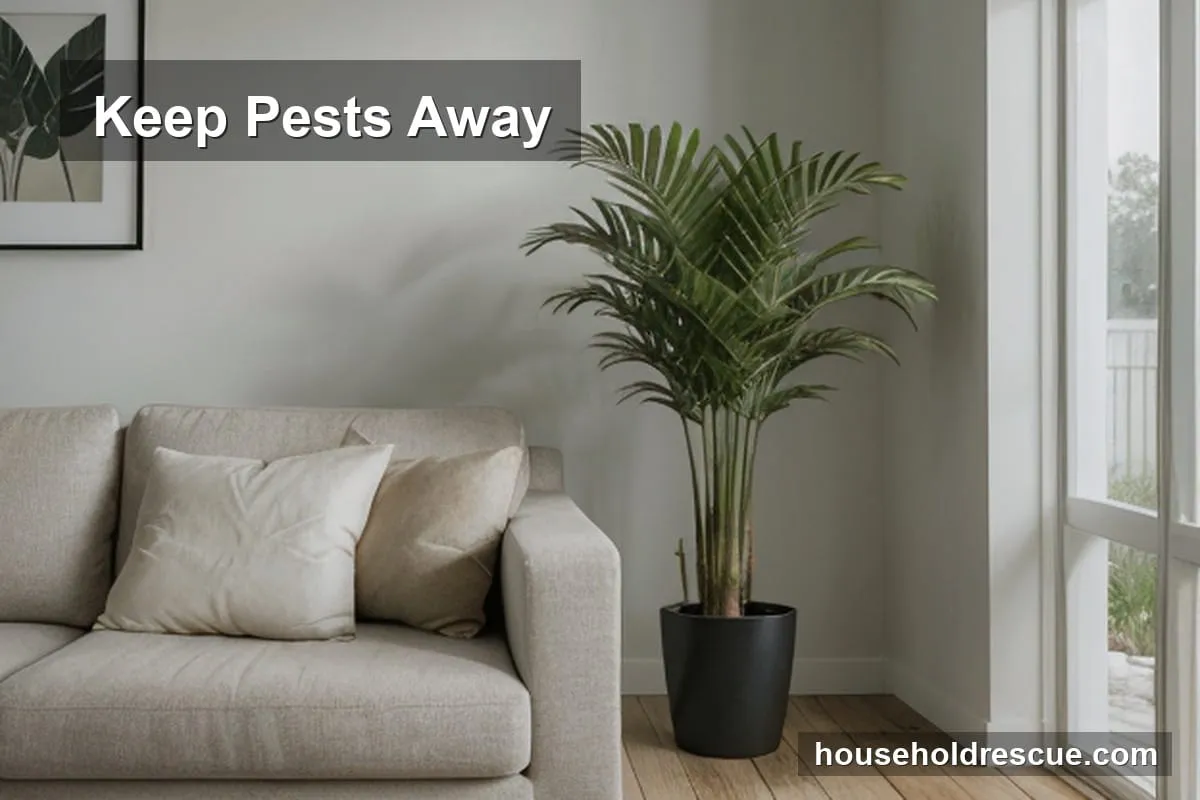
This is arguably the king of low-light palms. Native to the shaded understory of Mexican rainforests, it evolved to survive under the canopy of taller trees. That genetic legacy means it is perfectly adapted to indoor lighting conditions that would kill a sun-loving plant.
It grows slowly, which is actually a benefit for beginners. You won't have to repot it every year. The leaves are delicate and arch gracefully, adding a soft texture to a room without dominating the space. If you have a north-facing window or a hallway with a single overhead light, this is your best bet.
2. Kentia Palm (Howea forsteriana)
If you want something grander, the Kentia Palm is the choice. It has long, arching fronds that look incredibly elegant. Unlike the Parlor Palm, which stays relatively compact, the Kentia can grow quite tall over time.
It is known for being particularly tolerant of poor air quality and low light, making it a favorite for offices and large living rooms. However, it does have a price tag to match its elegance. It's a slow grower, so patience is key. If you are looking for guidance on caring for these shade-tolerant varieties, the principles are similar: indirect light and consistent moisture.
3. Bamboo Palm (Chamaedorea seifrizii)
Don't let the name fool you; this isn't bamboo in the traditional sense, but it shares that clustered, cane-like growth habit. The Bamboo Palm is excellent for low light, though it appreciates a bit more humidity than the Parlor Palm.
It has a slightly bushier appearance and can be used to fill out corners. It's also one of the few palms that is effective at filtering indoor air pollutants like formaldehyde. If you have a room with low light but good airflow, this is a strong contender.
The "Almost" Palms: Lookalikes for Dark Corners
While not true palms, these plants are so frequently grouped with them because they share the same resilience in dim environments. If you want that tropical look without the high maintenance, consider these options.
4. Snake Plant (Sansevieria or Dracaena trifasciata)
The Snake Plant is a survivor. It looks like it was designed for low light. The upright, sword-like leaves can survive in near-darkness for weeks, though they will eventually stop growing and look dull.
It is incredibly drought-tolerant. If you tend to forget watering your plants, this is the one to get. However, be careful with placement; it doesn't like cold drafts or wet feet. For more on handling tough houseplants, this guide on spotting pests is essential reading, as even hardy plants can get spider mites in dry indoor air.
5. Ponytail Palm (Beaucarnea recurvata)
This plant gets its name from the bulbous base that stores water, resembling a pony's tail. It thrives in low light and is very forgiving of irregular watering schedules. The trunk can get quite thick over time, making it a fascinating focal point.
It grows slowly and stays relatively narrow, so it won't crowd your furniture. Just ensure the soil drains well; these plants hate sitting in water.
Care Guide: How to Keep Them Alive
Once you have your palm, the real work begins. Low-light palms are not "set it and forget it" plants, but their needs are different from sun-loving varieties.
Watering: Less is More
The biggest mistake people make with low-light palms is overwatering. Because there is less light, the plant photosynthesizes slower, meaning it drinks water much more slowly than a palm sitting on a sunny windowsill.
If you water a Parlor Palm every week because that's what you do for your sun-loving plants, you will rot its roots. Instead, check the soil. Stick your finger about an inch into the pot. If it feels dry, wait a day or two before watering. In winter, when days are shorter and light is even lower, you might only need to water once every three weeks.
Humidity: The Tropical Requirement
Palms originate from tropical environments where humidity is high. Our homes, especially in winter with heating running or in summer with air conditioning, tend to be quite dry. This can cause the leaf tips to turn brown and crispy.
You don't need a humidifier for every plant, but misting them occasionally or placing a tray of pebbles and water underneath the pot can help. If your home is particularly dry, consider placing these plants in bathrooms where humidity levels are naturally higher.
Fertilizing: Go Light
You don't need to feed your low-light palms as often as other plants. A balanced, water-soluble fertilizer diluted to half-strength once a month during the growing season (spring and summer) is usually sufficient. In fall and winter, stop fertilizing entirely.
Common Troubleshooting
Even with the best care, things can go wrong. Here is how to diagnose common issues.
- Yellowing Leaves: This is almost always a sign of overwatering or poor drainage. Check your pot's drainage holes. If the soil stays soggy, you may need to repot into a mix with more perlite or orchid bark.
- Brown Tips: Usually indicates low humidity or underwatering. If the tips are crispy and brown but the rest of the plant looks fine, it's likely a humidity issue. Trimming the brown tip (cutting in a curve to match the leaf shape) can improve appearance.
- Leggy Growth: If your palm is stretching out with long gaps between leaves, it simply isn't getting enough light. Move it closer to a window or consider adding a grow light.
Safety First: Pets and Children
If you have pets, this is crucial. Many palms are non-toxic, but some can cause mild stomach upset if ingested. The Parlor Palm is generally considered safe for cats and dogs[3]. However, the Sago Palm (often sold as a low-light option) is highly toxic.
If you have a dog that likes to chew on leaves, stick to Parlor Palms or Snake Plants. For more tips on keeping your pets safe and your home organized, check out these pet safety tips which cover general household precautions.
Where to Place Your Palms
The placement of your plant matters just as much as the species you choose. Here are a few ideas for integrating palms into dim spaces.
The Bathroom Oasis
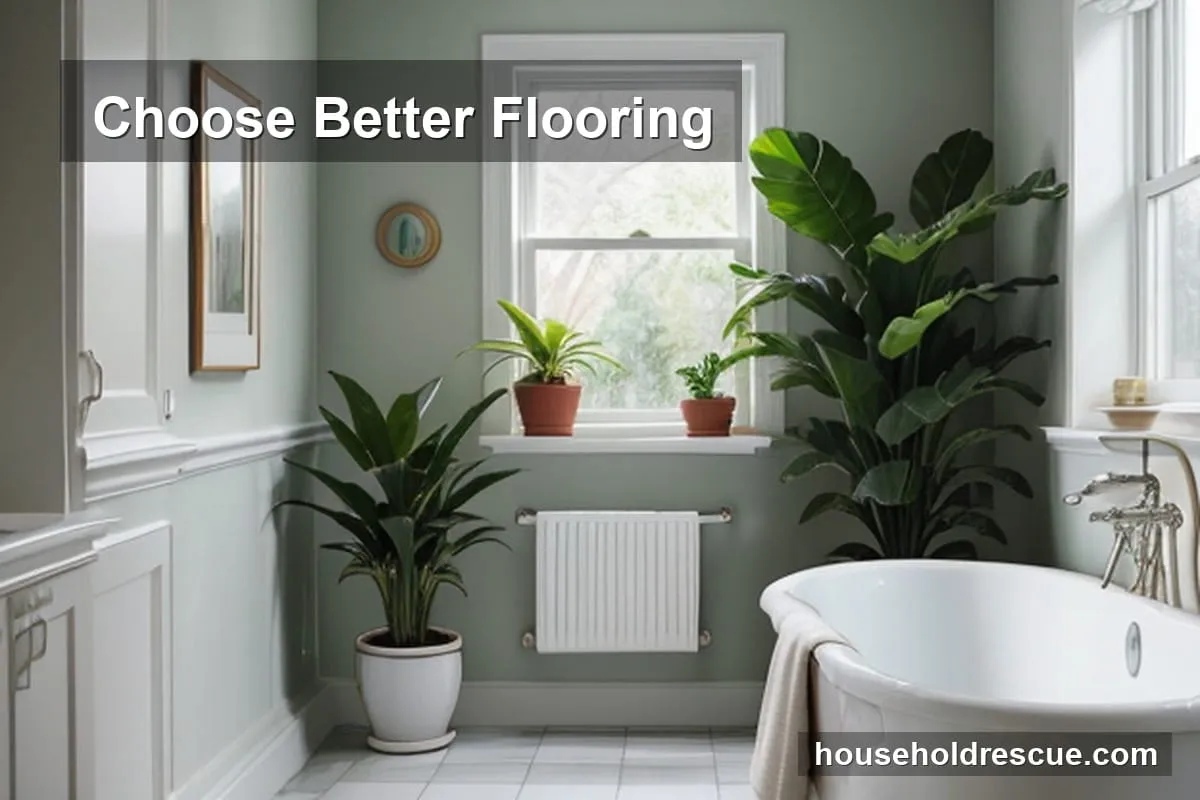
Bathrooms often lack windows but have high humidity and artificial light. This is an ideal environment for Snake Plants and ZZ plants. If you want to create a functional bathroom layout that includes greenery, a tall Parlor Palm in the corner can add a spa-like feel.
The Home Office
A low-light palm on your desk or in a corner can help reduce stress and improve air quality. If you are struggling to keep your workspace tidy, these organization tips can help you create a clutter-free zone for your plants.
Frequently Asked Questions
Can I grow a palm in a completely dark room?
No, even the hardiest low-light palms require some indirect light to survive. While they can tolerate dim hallways or rooms with artificial lighting, complete darkness will eventually cause them to starve and die.
How often should I water my low-light palm?
You should water your low-light palm only when the top inch of soil feels dry to the touch. This typically means watering every 2 to 3 weeks in summer, but potentially once a month or less in winter.
Are low-light palms pet-friendly?
Many popular low-light palms like the Parlor Palm and Snake Plant are generally safe for pets, though ingestion can cause mild digestive upset. However, you must avoid Sago Palms, which are highly toxic to cats and dogs.
Do low-light palms need a humidifier?
While they appreciate humidity, it is not always mandatory if your home has average moisture levels. If you notice brown leaf tips, increasing humidity via misting or a humidifier can help restore the plant's health.
Final Thoughts
Bringing greenery into a dim room doesn't require giving up on your plants. By choosing the right species like the Parlor Palm or Kentia Palm, and adjusting your watering habits to match their slower growth rate, you can create a lush, tropical atmosphere even in the darkest corners of your home.
Remember that plants are living things that respond to their environment. If you see signs of stress, adjust the light or water, and they will bounce back. With a little patience, your dim room can become a thriving oasis.
Disclaimer: This article provides general information about plant care based on horticultural best practices. It is not intended as professional botanical advice. Always research specific plant toxicity for your pets and consult with a certified arborist or horticulturist for specific concerns regarding your garden or home.
Need Help with Home Maintenance? While we focus on plants, keeping your home in top shape is also important. For example, if you are dealing with pests like termites, understanding termite treatments can save you thousands in repairs.
Winterizing Your Home? Don't forget to protect your home's infrastructure. Here are essential tips on how to protect your water heater this winter to avoid costly repairs.
Spotting Damage Early? Whether it's plants or your home, early detection is key. Learn how spotting termite damage early can save you thousands in potential structural repairs.
Sources & References
- The Impact of Indoor Plants on Well-being — American Psychological Association
- Cycas revoluta (Sago Palm) - Toxic Plant Database — ASPCA (American Society for the Prevention of Cruelty to Animals)
- Pet-Safe Houseplants — ASPCA (American Society for the Prevention of Cruelty to Animals)