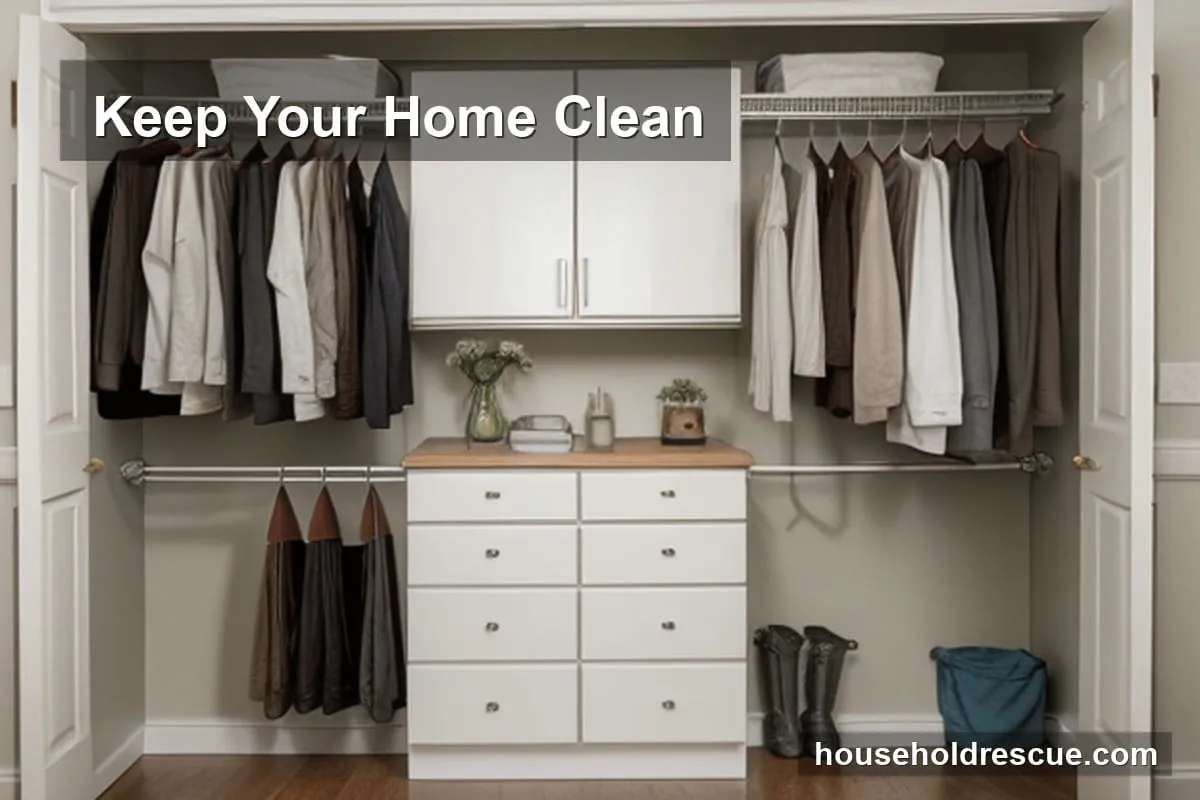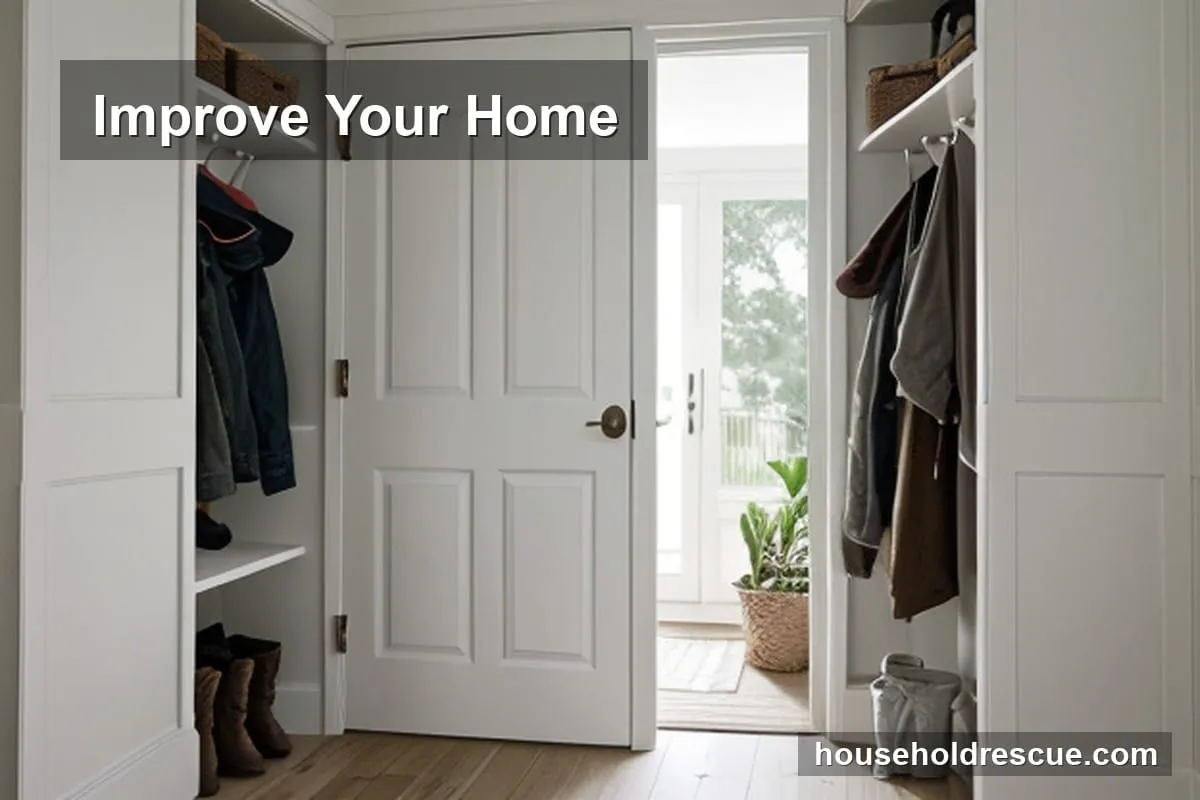
There is nothing quite like the morning scramble to find a matching pair of shoes when you are already running late. I remember one particularly chaotic Tuesday where my toddler's rain boots were buried under three pairs of adult sneakers, and my own work shoes were nowhere to be found. That kind of clutter doesn't just waste time; it creates a subtle but constant background stress that follows you out the door. The truth is, your entryway sets the tone for the entire day. When you walk in or out of your home, you want to feel a sense of order, not chaos.
Organizing shoes isn't just about throwing everything into a pile; it requires a strategy that fits the specific layout of your space and the habits of everyone living there. Whether you are dealing with a narrow hallway in an old apartment or a spacious foyer with high ceilings, the goal is the same: effortless access. We need to move away from generic advice and look at practical solutions that actually work for real life.
Key Takeaways
- Zone by Frequency: Keep daily-use shoes at eye level and store seasonal or rarely worn items higher up or in less accessible spots.
- Vertical is Vital: Utilize wall space with floating shelves or over-the-door racks to free up precious floor area for movement.
- Define the Perimeter: Establish a strict "no shoes on the floor" rule immediately upon entering to prevent clutter from accumulating again.
- Maintain the System: Schedule a quick 10-minute reset every evening to ensure shoes are returned to their designated spots before bed.
Why Your Entryway Shoe Situation Needs Immediate Attention
It is easy to dismiss shoe clutter as just a minor inconvenience, but the impact goes deeper than aesthetics. An unorganized entryway is a safety hazard waiting to happen. Tripping over a stray sandal or a pile of boots is a leading cause of household falls, especially for young children and older adults[1]. When shoes are scattered across the floor, they create friction points that can lead to slips on smooth surfaces like tile or hardwood.
Beyond safety, there is the psychological toll of visual noise. A cluttered entryway signals a lack of control over your environment. It creates a feeling of being "behind" before you have even started your day. By organizing this space, you are essentially creating a buffer zone between the chaos of the outside world and the calm of your home interior.
There is also the economic argument. Shoes are expensive investments. When they are tossed into a pile, they get crushed, lose their shape, and wear out faster. Proper storage extends the life of your footwear significantly, saving you money in the long run. If you have ever tried to straighten a boot that has been squashed flat or replaced a pair of heels that lost their arch support because they were stored incorrectly, you know this is a real issue.
Pro Tip: If you live in a humid climate, moisture control is critical. Storing shoes in sealed containers without ventilation can lead to mold growth. Ensure your storage solution allows for airflow to keep leather and fabric breathable.
Step-by-Step Guide to Organizing Shoes in the Entryway
Transforming a chaotic entryway into a streamlined zone requires a methodical approach. You cannot just buy a new rack and expect miracles; you need to clear the decks first.
1. Assess Your Space and Inventory
Before purchasing any storage units, take a hard look at your entryway. Measure the width of the hallway or foyer. Is there enough space for a freestanding console table, or are you better off with wall-mounted solutions? Count how many pairs of shoes you actually own. You might be surprised to find that you have twice as many pairs as you think.
Now, separate them into three categories:
- Daily Wear: Shoes you wear every single day or most days (e.g., sneakers, work boots, sandals).
- Occasional Use: Shoes for specific occasions like parties, formal events, or seasonal weather.
- The "Maybe" Pile: Shoes you haven't worn in over a year. Be honest with yourself here.
If you find yourself struggling to decide what stays and what goes, remember that you can apply the same decluttering mindset used for other household items. For instance, if you are looking to organize your kitchen, budget-friendly backsplash ideas for a stylish kitchen often emphasize keeping only the essentials and displaying what brings joy—apply that same logic to your shoe collection.
2. Choose the Right Storage Solutions for Your Layout
The "best" storage solution depends entirely on your specific constraints. A large family with four pairs of boots each will need a different setup than a single person living in a studio apartment.
Vertical Shoe Racks: These are fantastic for narrow hallways. They utilize the wall height rather than floor space. Look for racks that can hold at least 10-12 pairs to accommodate family needs without taking up much footprint.
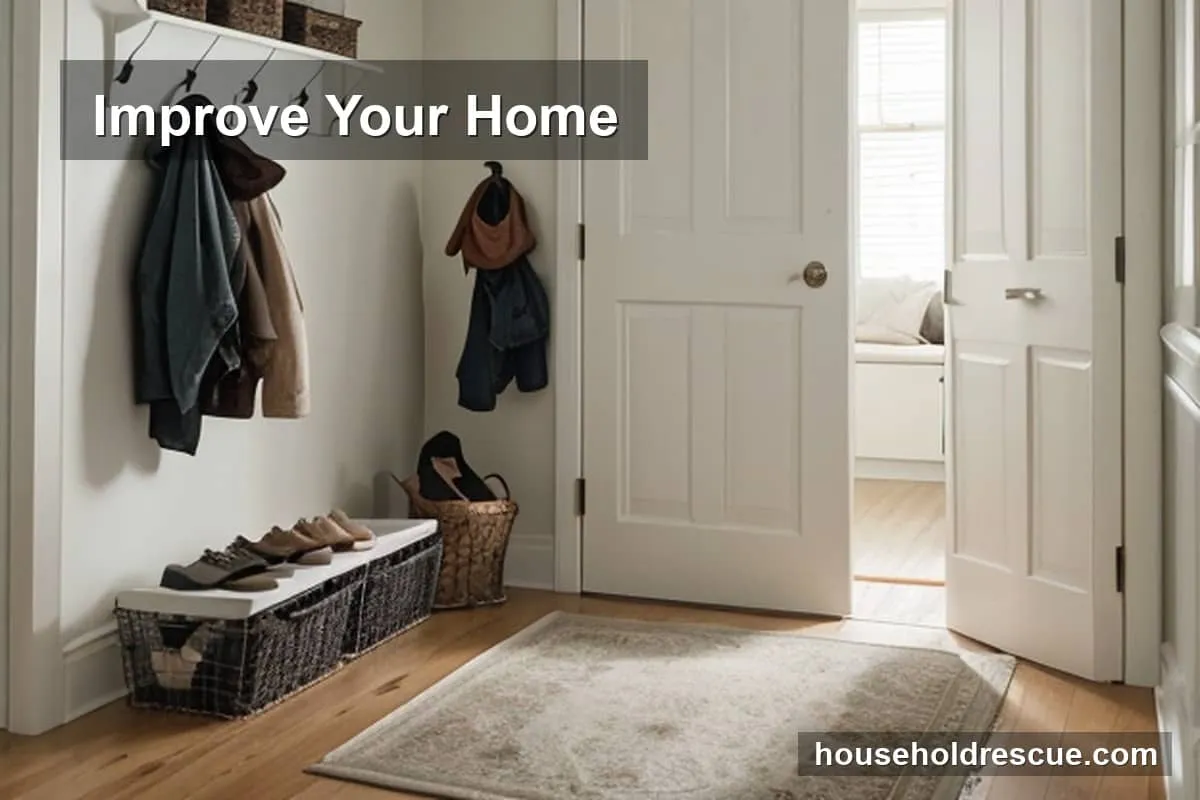
Bench Storage with Seating: This is a dual-purpose solution. A bench allows you to sit while tying your shoes, which is especially helpful for small children or anyone with mobility issues. The storage underneath can be open cubbies for quick access or enclosed cabinets to hide the visual clutter.
Over-the-Door Organizers: If your entryway has a door that leads directly outside or into the house, this is a game-changer. It keeps shoes off the floor and utilizes space that would otherwise be wasted. Just ensure the door doesn't swing too far to knock them over.
Wall-Mounted Shelves: For a minimalist look, install floating shelves. They are easy to clean and give the illusion of more space because you can see the floor beneath them.
Eco-Friendly Note: When buying storage, consider materials like bamboo or reclaimed wood. These are sustainable options that add a natural warmth to your entryway. If you are into sustainability, learning how to make organic compost at home can also help reduce waste in other areas of your life, creating a holistic approach to eco-friendly living.
3. Categorize and Sort by Frequency
Once you have the storage in place, organization is key. Do not just throw shoes into the rack; arrange them logically. The golden rule of entryway design is "eye-level equals daily use." Place your most frequently worn shoes on the bottom or middle shelves where they are easiest to grab.
Move seasonal items (like heavy winter boots in summer or sandals in winter) to the top shelf or a high cabinet. This keeps them out of the way but still accessible when the weather changes. If you have children, dedicate a lower section for their shoes so they can reach them independently. This teaches responsibility and reduces your burden of finding their gear every morning.
4. Clean and Maintain Your Collection
Before you put anything back, give the shoes a quick once-over. Wipe off mud from boots with a damp cloth. Brush off dust from sneakers. If you have smelly shoes, sprinkle some baking soda inside them overnight to neutralize odors.
Maintenance is an ongoing process. If your entryway smells bad, it can ruin the atmosphere of your home. There are many ways to keep spaces fresh; for example, natural odor-removal techniques like using vinegar or essential oils can help keep your entryway smelling clean without harsh chemicals.
5. Maximize Space with Smart Design Principles
For those with very small entryways, think about how you use the space. If a bench is too bulky, consider a wall-mounted shoe rack that folds down or a series of hooks where you can hang shoes by their laces or straps.
You can also apply principles from other rooms. For example, smart ways to organize your home office focus on verticality and labeling—these same concepts work perfectly for shoes. Labeling bins or sections helps family members know exactly where their items belong, reducing the likelihood of them being left on the floor.
Warning: Avoid using rugs that trap moisture in humid climates. Wet shoes placed on a rug can lead to mold growth and damage the flooring underneath. Opt for quick-drying materials like rubber mats or synthetic fibers near the entrance.
Common Mistakes to Avoid
Even with the best intentions, it is easy to fall back into old habits. Here are the pitfalls that turn a newly organized entryway back into a mess within days.
Overloading Storage Units: If you stuff a shoe rack until it is bulging, you will never be able to access the shoes at the bottom without pulling out everything else. This makes the system frustrating and encourages people to just leave shoes on the floor. Leave some breathing room.
Ignoring Aesthetics: While function is paramount, an entryway that looks like a dumping ground can be demotivating. Try to keep the storage units visually appealing. If you use open shelving, try to align the shoes so they face the same direction. If you use cabinets, ensure they match the style of your home.
Neglecting Regular Maintenance: Organizing is a one-time event; maintaining it is a daily habit. If you don't clean the storage area regularly, dust and dirt will accumulate, making the space less inviting.
Stylish Storage Ideas for Every Home
Organization doesn't have to be boring. You can make your entryway a stylish part of your home while keeping it functional.
Minimalist Designs: For modern homes, sleek black or white storage units with clean lines work best. They blend into the background and don't distract from the rest of the decor.
Smart Technology: Some high-end storage systems now come with LED lighting that turns on when you open a cabinet or approach the area. This is incredibly useful for late-night returns or early morning departures.
Sustainable Materials: As mentioned earlier, bamboo and reclaimed wood are excellent choices. They add texture and warmth to the space. If you are looking to enhance other areas of your home with similar sustainable vibes, table runners and placemats elevating your dining room style often feature these same natural materials.
Multi-Functional Furniture: A storage bench with a cushioned top is a classic choice. It serves as a place to sit while putting on shoes, a seat for children to tie laces, and hidden storage for the shoes themselves.
FAQ: Answers to Your Most Common Questions
1. What are the best storage solutions for entryway shoes?
The best solution depends on your specific space constraints. For small areas, wall-mounted racks or over-the-door organizers are ideal as they free up floor space. For larger foyers, freestanding shoe cabinets or benches with built-in storage offer both functionality and seating.
2. How can I maximize space in a small entryway?
Focus on verticality. Install floating shelves or use the back of the door for hanging organizers. If floor space is extremely limited, consider a narrow console table with open shelving underneath, similar to smart ways to organize your small living room space which often utilize vertical storage to maximize utility.
3. Are there eco-friendly shoe storage options?
Absolutely. Look for products made from bamboo, reclaimed wood, or recycled plastics. These materials are durable and environmentally friendly. Additionally, you can repurpose old wooden crates or bins to create a rustic, sustainable storage solution.
4. How do I keep shoes clean and odor-free in the entryway?
Regular cleaning is key. Wipe down shoes with a damp cloth after wearing them outdoors. For odors, use baking soda or vinegar solutions. Incorporating natural odor-removal techniques into your routine will keep the entryway smelling fresh.
5. Can I use over-the-door organizers for shoe storage?
Yes, they are excellent for apartments or homes with limited floor space. They utilize the back of the door, which is often wasted space, and provide easy access to shoes without cluttering the entryway.
6. What are common mistakes when organizing shoes in the entryway?
The most common mistake is overloading storage units beyond their capacity, making it difficult to retrieve items. Another error is neglecting to clean the storage area regularly, which leads to dust and odor buildup.
7. How often should I reorganize my entryway shoes?
You should do a quick review every few months or whenever seasons change. This is the time to rotate seasonal shoes and declutter any pairs you haven't worn in over a year.
8. What materials are best for shoe storage in the entryway?
Durable, easy-to-clean materials are best. Wood, metal, and plastic are all good options. Avoid materials that trap moisture or are prone to warping in humid conditions.
Final Thoughts: Make Your Entryway Work for You
Organizing your entryway shoes is more than just a tidy-up task; it is an investment in your daily peace of mind. By taking the time to assess your space, choose the right storage solutions, and establish a maintenance routine, you can transform a chaotic entryway into a streamlined, welcoming zone.
Remember, the goal is not perfection but functionality. If a system works for your family and makes your mornings easier, then it is a success. Start small today. Clear off one shelf, or designate a specific hook for daily shoes. The difference you will feel in your daily routine will be immediate.
And if you find that organizing your entryway has sparked a desire to tackle other cluttered areas of your home, consider looking into transforming your patio with string lights for a magical outdoor space or tackling pest control issues with foggers and bug bombs effective for cockroach control to ensure every corner of your home is clean and organized.
Your entryway is the first impression you give to guests and the last space you see before bed. Make it count.
Sources & References
- Falls in the Home: A Public Health Priority — Centers for Disease Control and Prevention (CDC)
- The Impact of Household Clutter on Mental Health — Journal of Environmental Psychology