Smart Wall Storage Ideas for Contemporary Living Rooms Blending Style and Utility
We've all been there: you walk into a living room that looks like it was ripped from a design magazine, but then you spot the remote control tangled in a pile of coasters on the coffee table. Or worse, you see a stack of magazines teetering dangerously near the edge of a shelf. The struggle to balance "lived-in" comfort with a clutter-free aesthetic is real, especially as open-plan living becomes the standard.
Wall storage isn't just about hiding mess anymore. It's about reclaiming your floor space and turning vertical real estate into a functional design feature. When done right, it stops you from feeling like you're walking on eggshells around piles of stuff. I've seen homeowners transform cramped apartments into airy sanctuaries simply by moving their storage up to the walls. The key isn't just buying something pretty; it's choosing solutions that actually fit your life without looking like an afterthought.
Key Takeaways
- Vertical storage frees up valuable floor space, making rooms feel larger and easier to navigate.
- Modern materials like matte finishes and reclaimed wood offer durability without sacrificing style.
- Smart integration allows you to hide tech clutter while keeping essential items within reach.
- Proper installation is critical; always use wall anchors rated for your specific load, not just the weight of the shelf itself.
Why Vertical Storage Changes the Game for Living Spaces
Let's be honest: floor space is premium real estate. Every square foot you dedicate to a bulky bookcase or an entertainment center is a square foot you lose for walking, playing, or just breathing. When you move storage to the wall, you aren't just clearing the floor; you're changing how the room feels.
It creates a sense of flow. You can actually move through the space without tripping over things. But it goes deeper than just physical space. A well-planned wall system acts as a visual anchor. It draws the eye upward, making ceilings feel higher and rooms more expansive. This is particularly true in smaller apartments where every inch counts.
Modern storage solutions have also shifted towards sustainability and longevity. You aren't stuck with particle board that swells up after one spill anymore. We're seeing a rise in materials like bamboo, powder-coated steel, and reclaimed timber. These choices aren't just about looking good; they are about making investments that last. If you're looking to maximize the utility of your space without adding bulk, checking out smart storage solutions multi-functional furniture for living rooms can give you some great ideas on how to merge function with form.
1. Floating Shelves: More Than Just a Place for Books
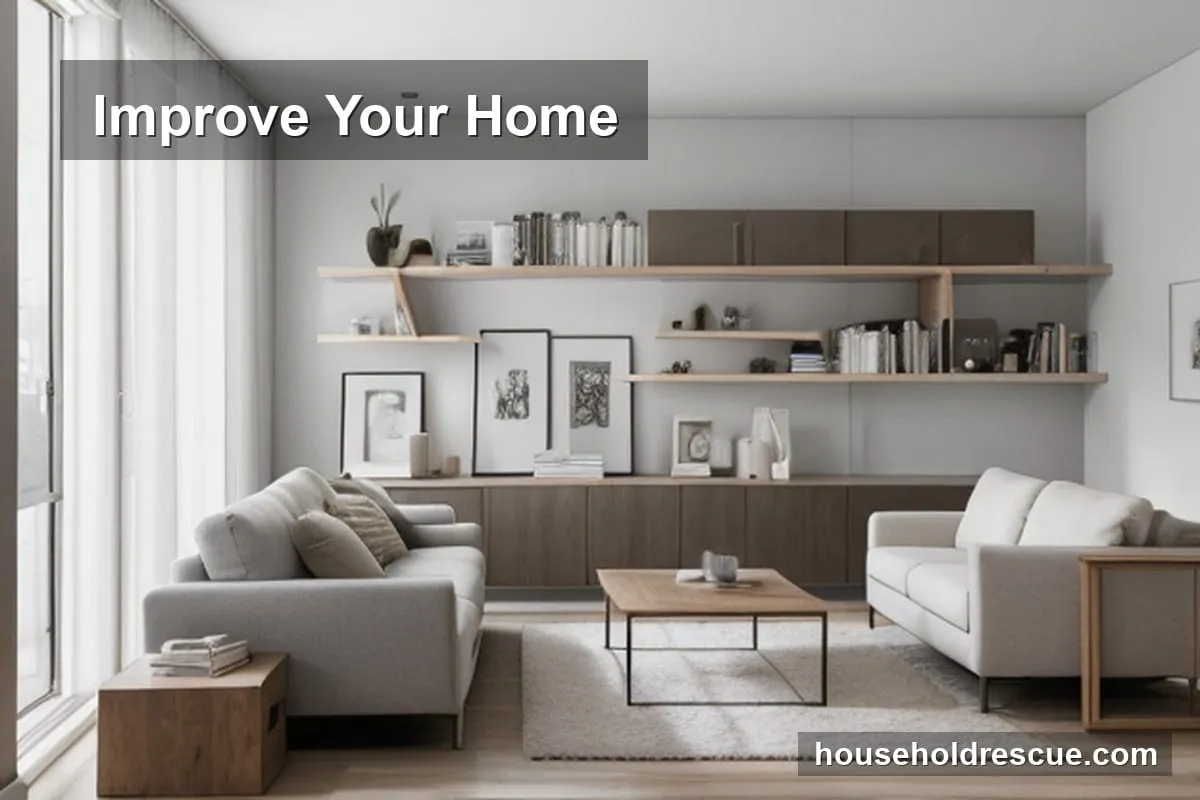
Floating shelves are a classic, but the versions we see today are far from the simple wooden planks of the past. The modern iteration is all about precision and hidden mechanisms. They appear to defy gravity, yet they hold significant weight when installed correctly.
One major upgrade in recent years is the integration of lighting. You don't need a separate lamp or track lighting to highlight your art or books. Many floating shelves now come with integrated LED strips that run along the underside, casting a soft glow on what you display. This adds warmth and depth to the room without adding visual clutter.
What About the Wires?
The biggest complaint about floating shelves used to be cable management. Where do all your HDMI cables go? Modern designs have solved this with channels built into the back of the shelf or specific brackets that hide the mounting hardware completely. This keeps the "tech clutter" invisible, which is crucial for maintaining that sleek look.
Pro Tip: When choosing materials, go for matte finishes over glossy ones if you have kids or pets. They hide fingerprints and scuffs much better, keeping your walls looking pristine longer.
DIY vs. Buying: A Reality Check
If you're handy, a DIY project with reclaimed wood can add a unique character that store-bought items just can't match. It allows you to get the exact width and depth you need for your specific wall space. However, if you aren't comfortable working with power tools or finding level lines, ready-made options with adjustable brackets are safer bets.
For those who want a bit of tech integration without building it themselves, there are now prefabricated shelves that include wireless charging pads built right into the surface. You just set your phone down, and it charges. It sounds futuristic, but it's available now and makes for a very convenient spot to drop your devices.
2. Wall-Mounted Cabinets: The Art of Hiding Clutter
Sometimes you don't want to display everything. You have remote controls, game controllers, or maybe just a collection of board games that you don't want on show every day. This is where wall-mounted cabinets shine.
Modern cabinets are designed to blend in. They often feature handle-less designs with push-to-open mechanisms, meaning the front of the cabinet is flush with the wall until you need it. This creates a seamless, flat surface that looks like part of the architecture rather than an add-on.
Materials Matter
When selecting cabinets, think about what you are storing. If it's for electronics, ventilation might be a concern. If it's for decorative items, glass fronts can work well to show off your collection while keeping dust out. For the eco-conscious homeowner, looking into eco-friendly seasonal home maintenance for a sustainable home practices often extends to choosing materials like bamboo or recycled composites for furniture.
I've seen cabinets with matte finishes that are surprisingly resistant to fingerprints. This is a game-changer for high-traffic areas where hands are constantly touching surfaces. If you live in a household with lots of activity, this durability is worth the extra cost over cheaper, glossy alternatives.
3. Pegboards and Open Racks: Functional Art
Pegboards have made a massive comeback, but they've evolved from garage storage to living room features. They are fantastic for items you use frequently. Think of it as an organizational board for your daily life.
You can customize the layout entirely. Need a spot for keys? Add a hook. Want to display a few favorite plants? Use a planter holder. The flexibility is unmatched. You can rearrange the hooks and shelves whenever your needs change, which is perfect for renters or people who like to refresh their decor frequently.
Did You Know? Pegboards can be surprisingly effective at sound dampening if you use thicker wood or fabric-backed versions. They help break up the hard surfaces in a room, making conversations feel more natural and less echoey.
Where to Install Them
While they are great for entryways, I strongly recommend them in living rooms too. Place one behind the sofa or on a side wall near your reading nook. It gives you a dedicated spot for books, coasters, and maybe even a small lamp. Just make sure you mount it securely; these systems can get heavy if you fill them up with decor items.
4. Hidden Storage: The Ultimate Space-Saver
For the ultimate minimalist look, hidden storage is the way to go. This involves recessed panels or false walls that blend seamlessly into your existing architecture. It's about creating storage without adding any visible bulk.
One popular application is a TV wall unit where the television mounts on a panel that slides away or flips up to reveal shelves behind it. When you're not watching TV, the storage is out of sight, and the wall looks clean. This is particularly useful for families who want to keep toys or gaming consoles out of view when guests are over.
Security Considerations
If you are storing valuables, hidden storage offers a layer of security, but it's not foolproof. For items like jewelry or important documents, consider integrating smart locks or biometric access controls. You can look into smart lock systems to keep an eye on your home security to ensure your hidden treasures stay safe.
5. Smart Storage: Technology Meets Organization
We are entering an era where storage can actually think for you. While we aren't quite at the stage of robotic shelves that rearrange themselves (that's still in the lab), we do have smart drawers and automated cabinets.
Imagine a cabinet that opens automatically when you wave your hand, or one that adjusts its internal lighting based on the time of day. These features are increasingly common in high-end modular systems. They add a layer of convenience that makes getting ready or cleaning up much faster.
However, don't get too caught up in the tech bells and whistles at the expense of function. A simple, sturdy shelf is often better than a complex system that breaks down after a year. If you are looking to modernize your home, exploring smart home tech innovations can help you decide which features are actually useful for your lifestyle.
Frequently Asked Questions
Q: What are the most popular modern wall storage trends?
The biggest trend right now is the "invisible" look. Homeowners are favoring handle-less cabinets, floating shelves with integrated lighting, and modular systems that can be reconfigured as needs change. The goal is to have storage that feels like part of the room's architecture rather than an object placed in it.
Q: How can I maximize wall storage without cluttering the space?
The secret is restraint. Don't fill every inch of your shelf. Leave some negative space so your eyes can rest. Using neutral colors for the shelves themselves helps them blend into the wall, making the room feel less crowded. If you need to store a lot of items, smart living room storage tips suggest focusing on vertical space and using baskets or bins to group smaller items together.
Q: Are DIY wall storage systems worth the effort?
Yes, if you enjoy the process and want a custom fit. A DIY project allows you to match the wood tone exactly to your existing furniture. However, it requires patience and basic tools. If you aren't comfortable with level lines or finding studs in your walls, hiring a professional might be safer and ultimately cheaper when you factor in mistakes.
Q: What materials are best for modern wall storage?
Solid wood and metal are the top contenders for durability. Reclaimed wood adds character but requires more maintenance. Glass is great for a light, airy feel but shows dust easily. For high-traffic areas, powder-coated steel or matte-finish composites are excellent because they resist scratches and wear.
Q: Can wall storage systems be customized for small spaces?
Absolutely. In fact, wall storage is often the *best* solution for small spaces. You can install tall, narrow cabinets that reach the ceiling to maximize vertical space without taking up much floor area. Using storage solutions tailored for functionality ensures you aren't wasting any potential square footage.
Q: How do I maintain modern wall storage systems?
Cleaning depends on the material, but generally, a soft, damp cloth is sufficient. Avoid harsh chemicals that can strip finishes or damage wood. For wooden shelves, occasional polishing with a suitable wax can keep them looking fresh. If you have pets, regular vacuuming of the shelves will prevent dust buildup.
Q: Are smart storage solutions worth the investment?
If convenience is your priority, yes. Automated features like motion sensors or voice-activated opening save time and effort. However, they come with a higher price tag and potential maintenance costs if electronics fail. For most people, a well-designed manual system offers better long-term value.
Final Thoughts
Creating a living room that balances style and utility doesn't require a complete renovation. It's often about making smarter choices with the space you have. By moving your storage to the walls, you free up the floor for what really matters: living in your home.
Whether you choose floating shelves for their aesthetic appeal or hidden cabinets for their practicality, the goal is the same: a space that feels organized and calm. Don't be afraid to mix materials or combine different styles. A bit of rustic wood next to sleek metal can create a dynamic look that feels curated rather than staged.
Remember, the best storage system is the one you actually use. Start with one wall or one corner, see how it works for your routine, and expand from there. If you need more inspiration on blending different styles, checking out design tips for cozy living rooms can help you tie everything together.
And if you find yourself needing to clean up the area around your new storage, keeping your windows clean and shiny daily will make the whole room feel brighter and more spacious. It's the little details that make a house feel like a home.