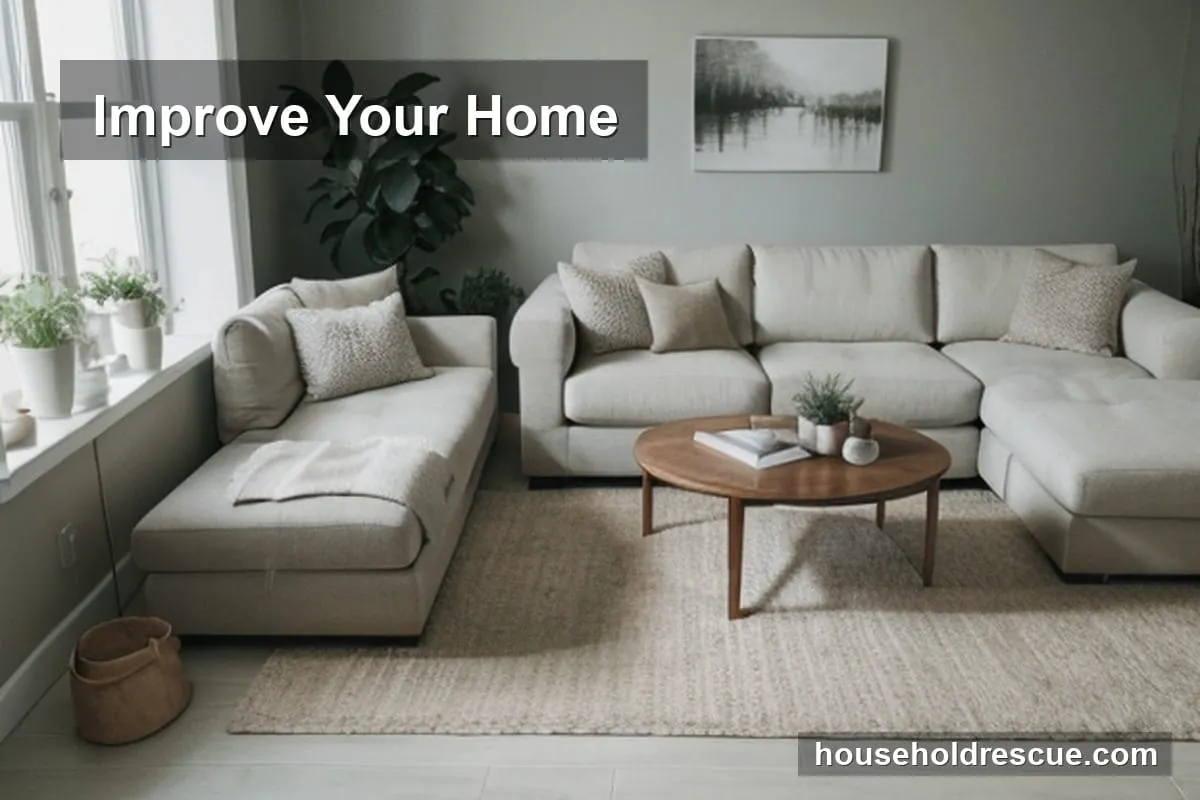
There is nothing quite like sinking into a sofa that actually supports your back after a long day, or watching the afternoon light hit a throw blanket in just the right way. Designing a cozy living room isn't about buying the most expensive pieces or following every trend you see on social media. It's about curating a space where you can breathe, relax, and feel grounded. I've seen too many homes look like showrooms—pristine but cold. The trick is balancing comfort with style so the room feels lived-in, not staged.
Key Takeaways
- Start with a comfortable, supportive sofa as your anchor; prioritize fabric texture like velvet or bouclé for warmth.
- Use the "rule of three" to group furniture and create natural conversation zones without overcrowding.
- Layer lighting with warm bulbs (2700K-3000K) and incorporate plants to improve air quality and mood.
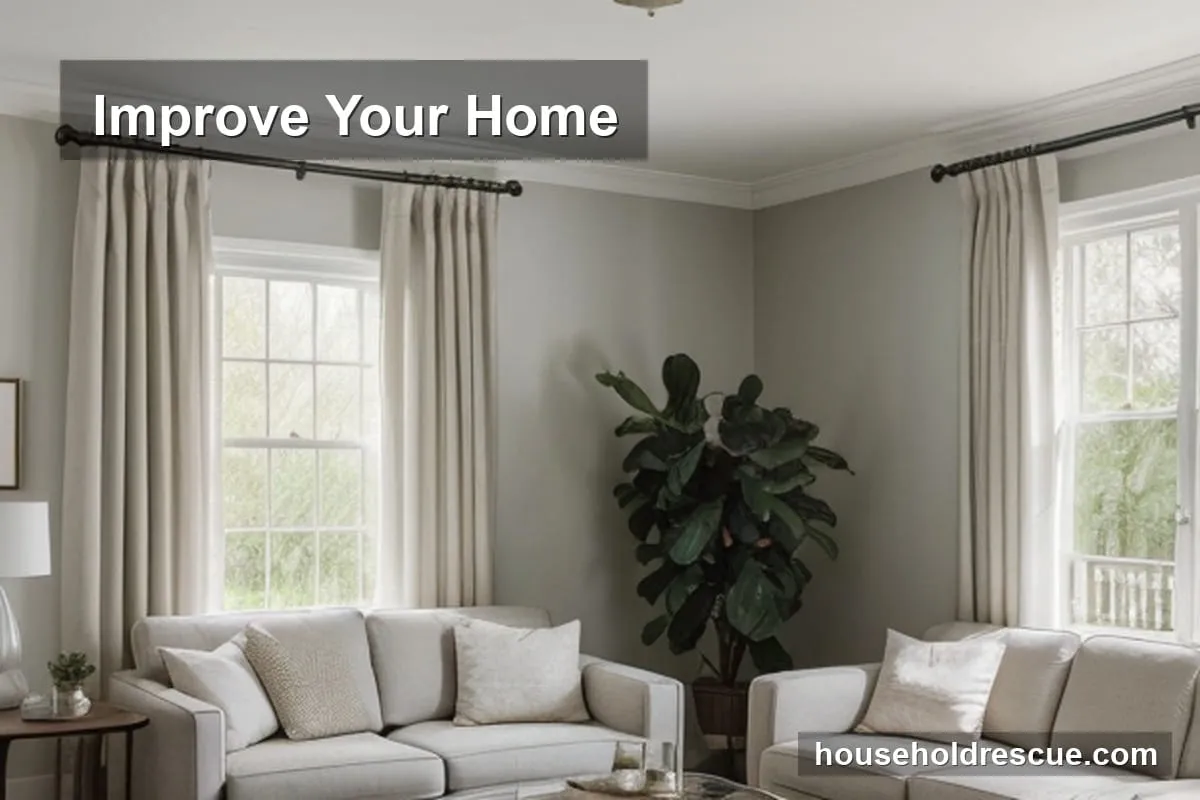
- Choose curtains that frame windows effectively to trap heat and add visual softness to the room.
The Foundation: Choosing Furniture That Actually Invites You In
The sofa is the heart of your living room, but it's not just about how it looks in a catalog. When you are shopping, sit on that piece for at least five minutes. Does the cushion bounce back too quickly? Is the back support adequate for watching a two-hour movie? If you have to constantly adjust your position, it won't be cozy.
Material Matters
For true coziness, natural fibers or high-quality synthetics that mimic them are best. Velvet has a softness that catches the light beautifully, making it feel luxurious. Microfiber is durable and incredibly soft to the touch, which is great for families with kids or pets. Leather ages well, developing a patina over years of use, though it can feel cool in winter without a throw blanket.
When selecting your seating, consider depth. A deeper sofa allows you to curl up on one end, while a standard depth (around 36 inches) is better for sitting upright during conversations or working at a small desk nearby.
Integrating Smart Storage
A cozy room cannot be cluttered. If you have toys, remotes, or magazines scattered around, the relaxation factor drops immediately. Look for ottomans with hidden storage compartments or coffee tables with drawers. This allows you to keep essentials out of sight but within reach.
Tip: If you are short on space, consider a sofa with built-in storage underneath the seating cushions. It's a game-changer for keeping blankets and pillows accessible without needing extra furniture.
Arranging Your Space: Flow and Functionality
You can have the most beautiful furniture in the world, but if you can't move through the room comfortably, it will feel oppressive. The layout dictates how people interact with the space.
The Rule of Three
Grouping furniture in odd numbers creates a more dynamic and visually pleasing look than symmetrical pairs. Try placing a sofa facing a coffee table, flanked by two armchairs. This creates a triangle that naturally encourages conversation. If your room is large, don't be afraid to split it into zones.
Defining Zones in Large Rooms
In open-plan living areas, use area rugs to define specific activities. One rug can anchor the seating area for lounging, while another smaller one might define a reading nook with a chair and lamp. This psychological separation helps your brain understand where to relax and where to focus.
Warning: Avoid pushing all furniture against the walls. This creates an island in the middle of the room that can feel disconnected and make the space look smaller. Pulling seating slightly forward invites people into the conversation area.
Lighting: Setting the Mood Instantly
Lighting is often overlooked, but it has a massive impact on coziness. Harsh overhead lighting can make a room feel sterile and clinical. The goal is "layered" lighting—combining different sources to create depth.
The Warmth Factor
When buying bulbs, look for the color temperature rating on the package. For a cozy atmosphere, aim for 2700K to 3000K (often labeled "Soft White" or "Warm White"). This mimics the glow of a sunset or candlelight, which is naturally relaxing for the human body.
Types of Lamps
- Ambient Lighting: Ceiling fixtures or floor lamps that provide general illumination.
- Task Lighting: Table lamps near reading chairs for focused light.
- Accent Lighting: Small LED strips behind shelves or picture lights to highlight decor.
Textiles: The Softness Factor
This is where you can really inject personality and warmth. Textiles add tactile comfort that furniture alone cannot provide.
Rugs That Ground the Room
A rug anchors the furniture arrangement. Choose a size large enough so that at least the front legs of your sofa and chairs sit on it. This visually connects the pieces. For warmth, wool or high-pile synthetic rugs are excellent choices.
Layering Textures
Mix different textures to add visual interest without adding clutter. A chunky knit throw pillow on a smooth velvet sofa creates a nice contrast. You might also layer a flat-weave rug under a plush shag rug for a rich, dimensional look.
Pro Tip: Don't forget to choose the best curtains and blinds for your living room. Heavy drapes can trap heat in winter and block out harsh light, while sheer fabrics soften the view from outside without sacrificing privacy.
Bringing Life In: Plants and Greenery
Plants are not just decoration; they improve air quality and add a sense of vitality to a room. Even if you don't have a green thumb, there are options that thrive on neglect.
Low-Maintenance Choices
The Snake Plant (Sansevieria) is incredibly hardy and tolerates low light. Pothos can trail beautifully from shelves or hanging baskets. These plants add vertical interest and break up the geometric lines of furniture.
Tip: If you are unsure about which plants will survive in your specific lighting conditions, check out how to choose and care for air purifying plants at home. They not only look good but help filter out common household toxins.
Personal Touches: Making It Yours
Your living room should tell a story about you. This doesn't mean filling every surface with knick-knacks, which leads to clutter. Instead, focus on a few meaningful pieces.
Art and Mirrors
Wall art sets the tone. A large piece above the sofa can serve as a focal point. Mirrors are also functional; they reflect light and make small spaces feel larger. Placing a mirror opposite a window doubles the natural light entering the room.
Common Mistakes to Avoid
We've all made mistakes when decorating, but some are more common than others. Here is what you should watch out for:
- Ignoring Scale: A massive sectional in a tiny room will make it feel claustrophobic. Measure your space before buying.
- Overlooking Functionality: If you have kids, avoid fragile glass coffee tables or light-colored fabrics that stain easily. Prioritize durability alongside style.
- Poor Lighting Temperature: As mentioned, cool white bulbs (4000K+) can make a cozy room feel like an office or hospital.
Frequently Asked Questions
What are the best fabrics for a cozy living room?
Soft, natural materials like wool, cotton, and velvet are ideal for creating a warm, inviting atmosphere. These fabrics feel comforting against the skin and add visual depth to the room.
How can I make a small living room feel cozier?
Use light colors on walls and furniture to open up the space, but anchor them with darker textures like a dark rug or velvet pillows. Mirrors are also essential for bouncing light around and creating the illusion of depth.
What's the best way to arrange a living room with a fireplace?
Position seating to face the fireplace, making it the natural focal point. Use area rugs and throw blankets to tie the space together and add warmth without blocking the heat flow.
Can I mix different furniture styles for a cozy look?
Yes, mixing styles like mid-century modern with rustic pieces can add character. The key is to ensure they share a common color palette or texture so the room feels cohesive rather than chaotic.
How do I choose the right lighting for a cozy living room?
Opt for warm, dimmable lighting and layer your sources. Use floor lamps for task lighting near reading chairs and sconces for ambient light to reduce shadows and create a soft glow.
Are there budget-friendly ways to create a cozy living room?
Absolutely. Thrift stores, online marketplaces, and DIY projects can help you achieve a cozy look without breaking the bank. Focus on adding soft textiles like throw blankets and plants, which are relatively inexpensive but have a huge impact.
Note: This article provides general design advice for creating a comfortable home environment. It does not constitute professional interior design consultation or structural engineering advice. Always follow manufacturer guidelines for furniture assembly and electrical safety when installing lighting fixtures.
Final Thoughts on Creating Your Sanctuary
Designing a cozy living room is an ongoing process, not a one-time event. It's about creating a space that responds to your needs—whether that means a spot for reading, a place for the family to gather, or a quiet corner to unwind. By focusing on comfort, proper lighting, and personal touches, you can turn any room into a true sanctuary.
Remember, if you are looking to optimize other parts of your home while you work on this, you might also find value in learning coffee table trends and expert advice to complete your setup. The goal is a home that feels like it belongs to you.
Sources & References
- Lighting for Health: How Light Affects Our Circadian Rhythms — Harvard T.H. Chan School of Public Health
- The Benefits of Indoor Plants for Air Quality and Well-being — NASA Clean Air Study (via NASA.gov)
- Interior Design: Principles and Practices — Encyclopedia Britannica