
Bringing the Outdoors In: A Real-World Guide to Choosing and Caring for Air-Purifying Plants
I remember when I first brought a fiddle leaf fig home. It was beautiful, sure, but within two weeks, it looked like a sad, drooping sculpture of leaves. I thought I'd killed it. Turns out, I just didn't understand its specific needs for light and humidity. That experience taught me that "air-purifying" doesn't mean "low maintenance." These plants are living organisms with distinct personalities, not just decorative objects.
Indoor air quality is a serious concern. Research from the Environmental Protection Agency (EPA) indicates that indoor air can be 2 to 5 times more polluted than outdoor air, sometimes containing volatile organic compounds (VOCs) like formaldehyde and benzene released from furniture, paints, and cleaning products. While plants alone won't fix a toxic environment on their own, they do play a genuine role in filtering the air and boosting your mental well-being. The key is picking the right ones for your specific home conditions.
Key Takeaways
- Light requirements vary wildly; a low-light plant like the ZZ Plant won't thrive in direct sun, and vice versa.
- Watering is the most common cause of death—overwatering kills more plants than underwatering.
- Pet safety is non-negotiable; always verify if a plant is toxic before bringing it home if you have dogs or cats.
- Seasonal care changes are necessary; your watering schedule in winter should be drastically different from summer.
1. Choosing the Right Plant for Your Home
You can't just buy the plant with the prettiest leaves. You need to match the plant to the environment it actually needs. If you ignore this, no amount of fertilizer will save it.
Light: The Non-Negotiable Factor
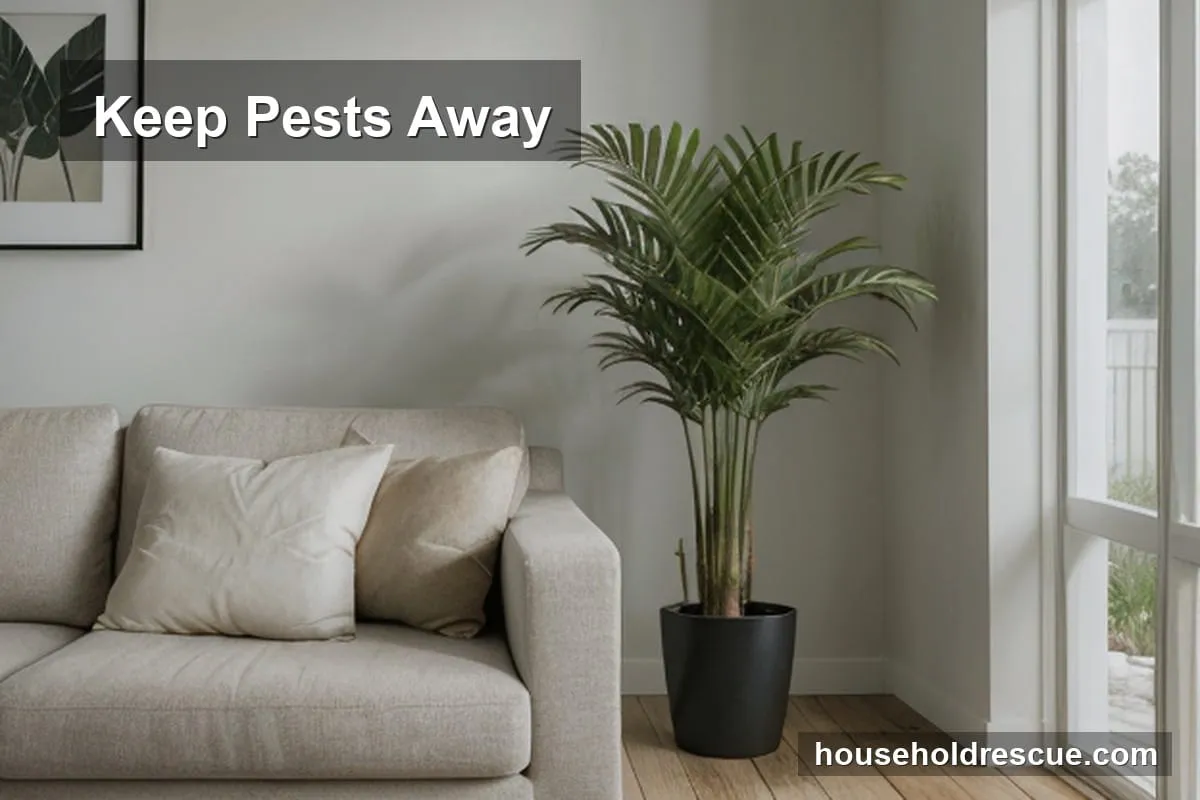
Light is food for plants. Without it, they starve. Most air-purifying favorites like the Snake Plant or Areca Palm prefer bright, indirect light. This usually means a few feet away from a sunny window, where the sun's rays don't directly hit the leaves.
If you have a dark corner or a north-facing room without much sun, don't despair. The Zamioculcas zamiifolia, commonly known as the ZZ Plant, is incredibly resilient. It can survive in low light and even artificial office lighting. Similarly, the Chinese Evergreen and Peace Lily are champions of dim spaces. However, if you try to force a sun-loving plant into a dark corner, it will stretch out (a process called etiolation) looking for light and eventually become weak and leggy.
Space and Scale
Think about the room's layout. A Fiddle Leaf Fig (Ficus lyrata) is a statement piece that needs floor space and height. You wouldn't want to try to fit that into a small studio apartment where it might block your path. For smaller spaces or vertical areas, consider Spathiphyllum (Peace Lily) for a desk or shelf, or Epipremnum aureum (Pothos), which trails beautifully from hanging baskets or high shelves.
If you're looking to integrate these plants into your design without creating clutter, you might want to check out our guide on how to style floating shelves without clutter for a clean elegant look. It pairs perfectly with the idea of using vertical space for greenery.
Pet Safety: A Critical Check
This is where I've made mistakes. If you have pets, especially cats who like to chew on everything, assume any plant is potentially toxic until proven otherwise. The ASPCA maintains a database of plants safe for dogs and cats. Snake Plants and Spider Plants are generally considered safe, which makes them great starter plants. On the flip side, Dieffenbachia (Dumb Cane) and Philodendron contain calcium oxalate crystals that can cause severe swelling in a pet's mouth if chewed.
Ensuring your indoor garden is safe for everyone involves the same principles as keeping your kitchen safe. Just as you need to follow essential kitchen safety tips to prevent common accidents, you must prioritize pet safety when selecting greenery.
2. Essential Care: The Art of Watering and Environment
Once the plant is in your home, the real work begins. Most people kill plants because they love them too much—by overwatering them.
Watering: Less is More
The "finger test" is your best friend here. Stick your finger about two inches into the soil. If it feels dry, water it. If it's damp, wait.
- Snake Plant: These are succulents. They store water in their leaves and can go 2-3 weeks without a drink.
- Peace Lily: These are thirsty. They will literally droop when they need water, acting as a natural alarm clock for you.
Use room-temperature water. Cold tap water can shock the roots, especially in winter. Letting your tap water sit out for 24 hours allows chlorine to evaporate, which some sensitive plants dislike.
Humidity and Airflow
Many of our favorite air-purifiers are tropical plants. They crave humidity. If your home is dry (common in winter with heating on), the leaves might turn brown at the tips. A pebble tray filled with water can help, or a small humidifier nearby works wonders.
Airflow is equally important. Stagnant air invites pests and fungal issues. Don't crowd plants together; give them space to breathe. If you notice white fuzz on your leaves, it's likely mealybugs. You can treat this with neem oil or insecticidal soap. For more details on spotting these issues early, you can read about white fuzz on indoor plants and how to treat it.
Fertilizing: Feeding the Roots
Plants need nutrients to grow, but they don't need them year-round. During spring and summer, when they are actively growing, feed them with a balanced, water-soluble fertilizer diluted to half strength. Over-fertilizing burns roots, so always err on the side of less.
If you plan to expand your gardening efforts outdoors as well, learning how to safely use fertilizers in gardening will give you a broader understanding of nutrient cycles that apply to both indoor and outdoor plants.
3. Troubleshooting: Why Is My Plant Dying?
Even with the best intentions, things go wrong. Here is how to diagnose common issues without panic.
Yellowing Leaves
If your plant's leaves are turning yellow, it's usually a watering issue. Too much water leads to root rot, which prevents the roots from absorbing nutrients, causing the leaves to yellow and drop. If you see yellowing, check the soil drainage immediately. Is the pot sitting in a saucer of standing water? Repotting into fresh, well-draining soil might be necessary.
Pests
Spider mites and mealybugs love indoor environments, especially when it's dry. Inspect the undersides of leaves regularly. If you see webbing or tiny bugs, isolate the plant immediately to prevent an infestation from spreading to your other greenery. Organic treatments like neem oil are effective and safer than harsh chemicals.
Stunted Growth
If your plant looks healthy but isn't growing, it might be root-bound or lacking light. If the roots are poking out of the drainage holes, it's time for a bigger pot. If it's in a dark corner, move it closer to a window.
4. Designing with Greenery
Air-purifying plants aren't just functional; they transform a room. They add texture and life that paint and furniture can't match.
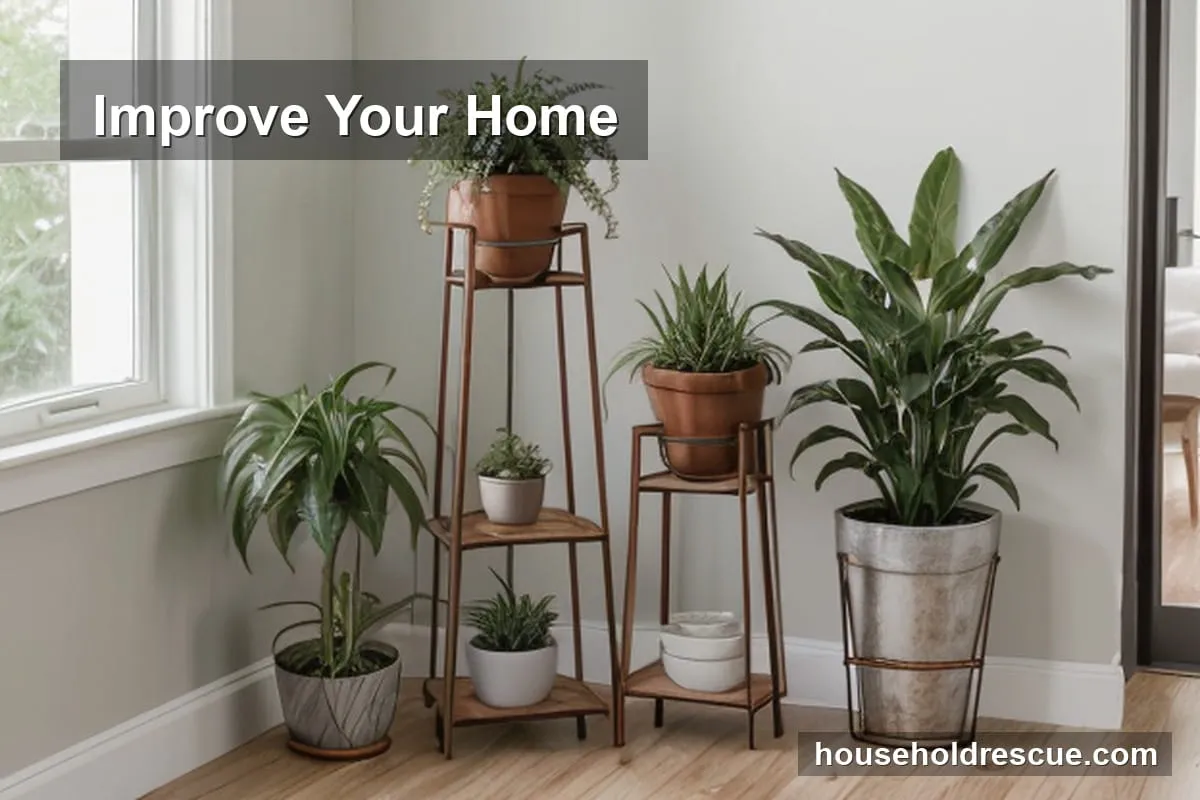
You don't need to buy expensive planters. A simple terracotta pot works great for succulents, while ceramic pots suit tropical varieties like the Peace Lily. To create a cohesive look, try grouping plants with similar needs together. This not only looks better but makes care easier—you can water them all at once if they have similar requirements.
If you are looking to expand your green space beyond just indoor shelves, consider how these plants fit into a broader design. Our guide on how to create a stylish outdoor living space that enhances your home offers great ideas for blending indoor and outdoor aesthetics.
For those interested in other home improvement projects, you might also find inspiration in chic outdoor living modern deck and patio designs with practical tips to see how plants can complement architectural elements.
5. Seasonal Care: Adjusting for the Year
Plants don't grow at the same rate all year long. They slow down in winter and speed up in summer.
Winter Dormancy
In winter, most plants enter a dormant phase. They need less water and no fertilizer. Keep them away from cold drafts near windows or doors. If you don't get enough natural light during the short days, consider using grow lights to supplement.
Spring and Summer Surge
This is their feast time. Increase watering, fertilize monthly, and prune any dead leaves to encourage new growth. This is also the best time to repot plants that have outgrown their containers.
Maintaining a thriving garden year-round requires planning. For more comprehensive advice on keeping your greenery healthy through every season, you can refer to our year-round gardening tips for continuous growth.
FAQ: Frequently Asked Questions
Do air-purifying plants actually clean the air?
Yes, but with caveats. Plants do absorb toxins through their leaves and roots via a process called phytoremediation, and soil microbes help break down harmful substances. However, to significantly clean the air in a typical room, you would need an impractical number of plants. They work best as a complementary solution alongside good ventilation.
Can I replace my air purifier with plants?
No. While plants improve air quality, they are not a substitute for mechanical air purifiers in heavily polluted environments or during allergy season. Use them to enhance the atmosphere and reduce stress, but rely on HEPA filters for serious particle removal.
Are all "air-purifying" plants safe for pets?
Absolutely not. Many of the most effective air purifiers, like the Peace Lily and Snake Plant (which is mildly toxic to cats), can be harmful if ingested. Always cross-reference a plant with the ASPCA's non-toxic list before bringing it home.
How do I know if my plant is getting too much or too little light?
Look at the leaves. If they are bleached, brown, or crispy in patches, it's likely too much direct sun. If the leaves are pale, small, and the plant is stretching toward the window (leggy), it needs more light.
Conclusion
Bringing air-purifying plants into your home is more than just a trend; it's a way to actively improve your living environment. By understanding their light needs, being careful with watering, and keeping an eye on pet safety, you can create a lush, healthy sanctuary. It takes a bit of observation and patience, but the reward is cleaner air and a space that feels truly alive.
If you're looking to expand your home improvement projects beyond plants, consider how other elements fit together. For instance, bathroom lighting trends modern smart and energy efficient for renovation can help you create a relaxing atmosphere that complements your green corners.
And if you're tackling other areas of the house, creating a minimalist laundry room for a clutter-free space might be just what you need to declutter and organize your home further. Finally, don't forget that plants are part of a larger ecosystem; learning about how air purifying plants improve home atmosphere can deepen your appreciation for their role in your daily life.