You know that feeling? You're five minutes late for work, your hands are full of groceries, and you can't find your keys because they're buried under a pile of shoes in the entryway. It's not just annoying; it sets a frantic tone for the rest of your day. This isn't just about being messy; it's usually the result of specific entryway organization mistakes that we make without realizing it.
The entryway is often the first room people see, but also the last one they think about organizing. It's a high-traffic zone where mail piles up, coats get tossed on chairs, and shoes multiply overnight. When you treat this space as an afterthought, clutter takes over quickly. The good news? You don't need a complete renovation to fix it. A few strategic changes can turn that chaotic drop-off point into a calm, efficient transition space.
Key Takeaways
- Zone your space: Designate specific areas for shoes, mail, and bags to stop items from becoming a single "dumping ground".
- Think vertically: Utilize wall-mounted hooks and shelves to free up valuable floor space in small entryways.
- Keep it simple: Avoid overloading the room with too many storage units; focus on functionality over aesthetics.
- Maintain regularly: A quick 5-minute daily tidy prevents the buildup of clutter that leads to major messes later.
Why Your Entryway Matters More Than You Think
We often treat entryways as mere hallways, but in modern homes, they function as command centers. Between hybrid work schedules, online shopping deliveries, and the endless cycle of shoes and coats, this small area bears a heavy load. A disorganized entryway doesn't just look bad; it creates friction in your daily routine.
When you can't find your wallet or your dog's leash because they're hidden under a pile of winter jackets, you start your day stressed. Studies on environmental psychology suggest that visual clutter increases cognitive load and stress levels, meaning a messy entryway can literally make you feel more anxious before you even leave the house.
The goal isn't to have a showroom-perfect foyer; it's to have a functional space that supports your life. By identifying the common pitfalls that cause clutter, you can build habits that keep the chaos at bay.
Common Entryway Organization Mistakes That Make Clutter Worse
Most of us are guilty of making one or two of these errors. They seem harmless at first, but over time, they compound into a mess that feels impossible to clear up.
Mistake 1: Overloading with Too Many Storage Options
It's easy to get excited about storage and buy everything from bench drawers to hanging cubbies. But when you fill the space with too many different types of organizers, you create visual noise and confusion. Users don't know where things go, so they just drop them on the floor.
The fix is curation. Look at your daily routine. Do you actually need a shoe cabinet AND a bench? Or will one combined unit work better? Limit your storage to 3-4 primary functions: shoes, outerwear, bags, and mail. If you find yourself adding more storage just because it looks nice, stop. Functionality should always beat aesthetics in this room.
Mistake 2: Neglecting Vertical Space
Homeowners often obsess over floor space, leaving the walls blank. This is a wasted opportunity. Your entryway likely has more vertical capacity than you realize.
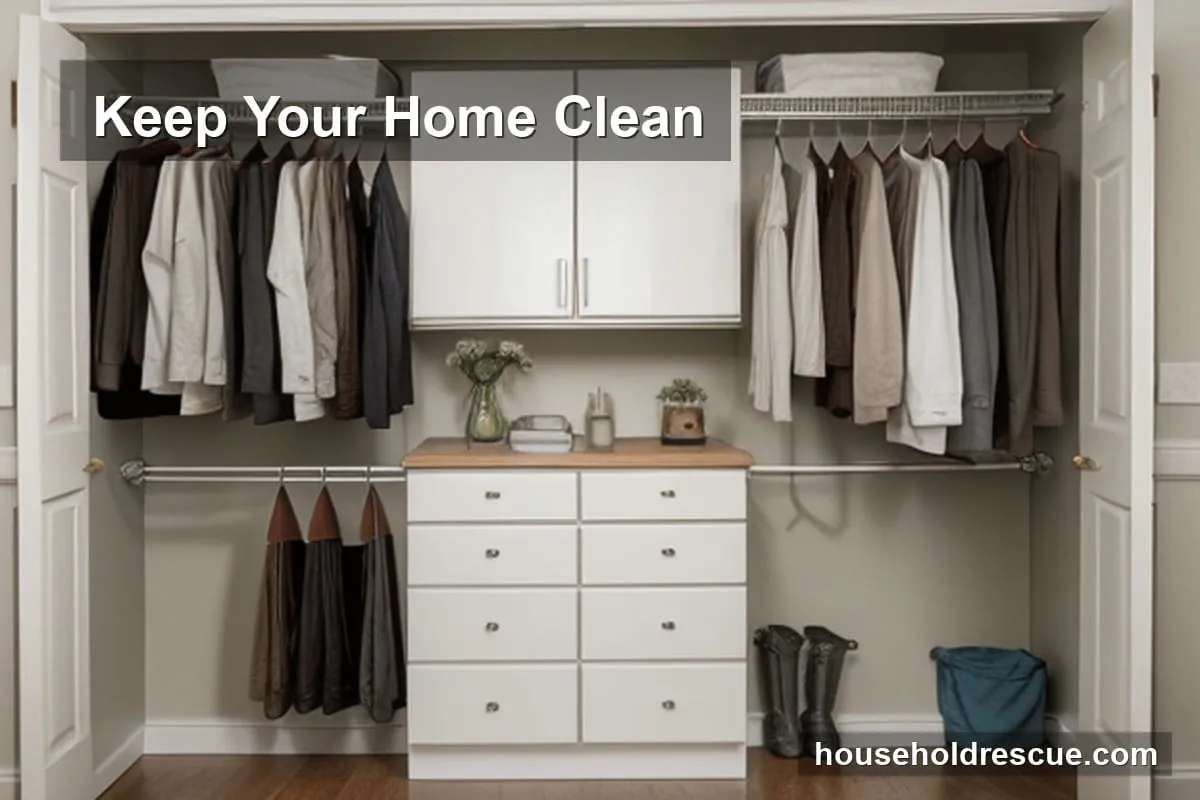
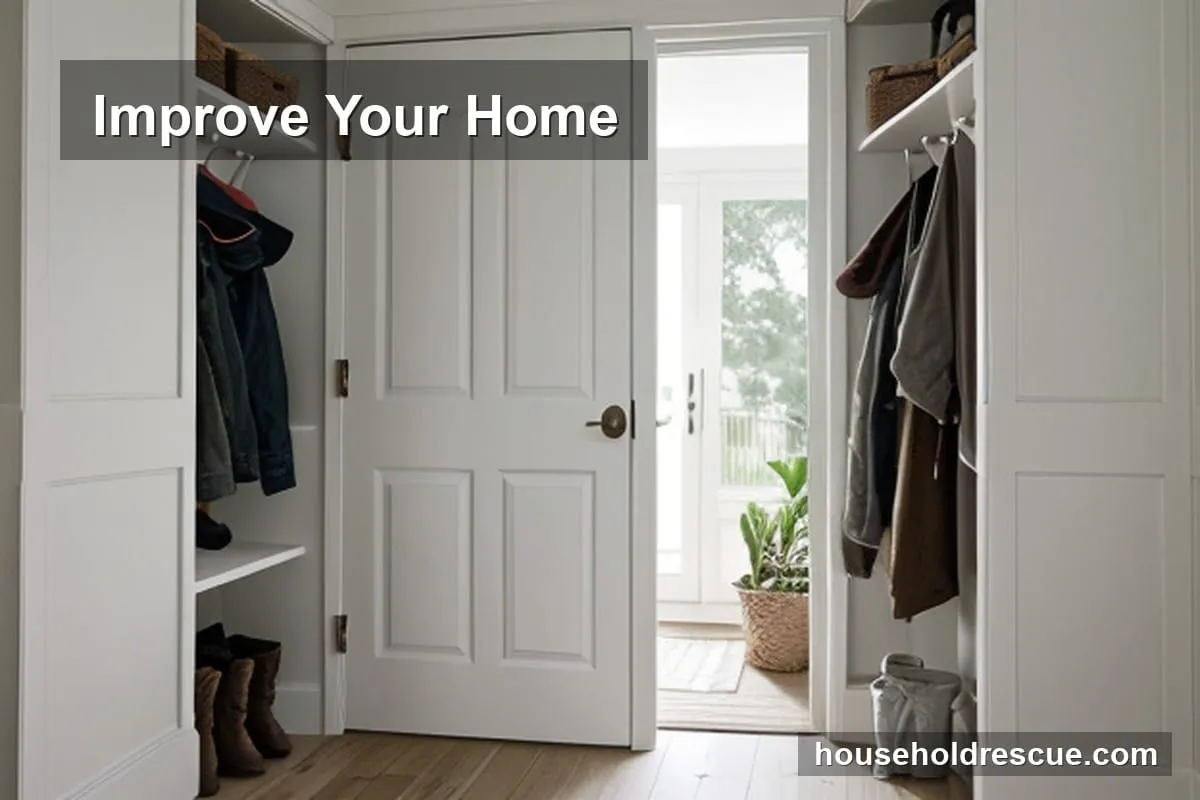
Installing wall-mounted hooks or shelves can double your storage without taking up an inch of walking area. If you have a coat rack that takes up too much room, swap it for individual hooks. You can also use over-the-door organizers for things like cleaning supplies or seasonal accessories. For more ideas on how to maximize space in tight areas, check out our guide on organizing your entryway shoes for effortless daily access.
Mistake 3: Using the Wrong Materials for Entryway Storage
Entryways are dirty zones. They track in mud, rain, and dirt from outside. Using delicate fabrics or porous materials that stain easily is a recipe for disaster. A wobbly bench or a shelf that can't handle the weight of a heavy winter coat will quickly become a source of frustration.
Choose durable materials like solid wood, metal, or reinforced plastic. Opt for non-porous surfaces that are easy to wipe down. If you live in an area with hard water or mineral deposits, consider how your fixtures might react; learning simple ways to eliminate hard water stains at home can help you maintain your entryway surfaces longer.
Mistake 4: Failing to Assign Specific Zones
Without designated zones, the entryway becomes a dumping ground for everything. Keys end up in the same pile as mail, which ends up near shoes, which is next to the backpacks. It's a jumbled mess.
Create clear "drop zones." Have a specific bowl or tray for keys and wallets. Set aside a section of the floor or a bench just for shoes. If you have kids, give them their own hooks at their height. This structure helps everyone in the house know exactly where things belong.
Mistake 5: Overlooking the Power of Mirrors
Mirrors aren't just for checking your hair before you leave. In a small entryway, a mirror can make the space feel significantly larger by reflecting light and depth.
Install a full-length mirror above a coat rack or bench so you can do a final check before heading out. This helps you spot clutter at a glance—if there's something hanging off the back of the chair, you'll see it in the reflection. Pairing this with good lighting is essential; for more on how to brighten up small spaces, look at our top painting tips for small apartments which often include advice on using light and mirrors.
Mistake 6: Not Maintaining Regular Decluttering Habits
You can have the best organization system in the world, but if you don't maintain it, it will fail. A cluttered entryway is often just a result of letting small messes accumulate until they become unmanageable.
Set a timer for 5 minutes every evening to reset the space. Throw away junk mail, put shoes in their spot, and hang up coats. If you wait until the weekend to clean it, the pile will likely be too big to handle quickly. Regular maintenance is key; see our simple stainless steel and glass cleaning routine for busy people for tips on keeping surfaces looking sharp with minimal effort.
Mistake 7: Ignoring the Role of Lighting
Poor lighting makes a space feel cramped and disorganized. If you can't see what's on the floor or in the corners, you're more likely to trip over things or leave items lying around because they "look like" there's no room.
Install overhead lighting with dimmer switches for flexibility. Use task lighting near mirrors for checking your appearance. You don't need harsh, direct light; soft, even illumination creates a welcoming atmosphere and makes the space feel larger.
Mistake 8: Not Considering Accessibility
Your entryway needs to work for everyone in your household, from toddlers to seniors. If storage is too high up or too heavy to open, people will stop using it and just pile things on the floor.
Ensure hooks are at a comfortable height for all users. If you have young children, install lower hooks for their coats and bags. For those with mobility issues, ensure there's enough room to maneuver without tripping hazards. Sometimes, a simple modern home plumbing repair expert tip about accessibility can be applied to entryway design, ensuring smooth transitions and safety.
Mistake 9: Overlooking the Use of Hooks and Trays
Simple tools like hooks and trays are often undervalued. They are affordable, space-saving, and highly effective when used correctly.
Use hooks for bags, umbrellas, or keys so they don't end up in a pile on the table. Place trays on counters to corral small items like phones, wallets, sunglasses, and mail. This keeps loose items from scattering across the surface. You can also get creative with your decor; check out creative wall decor ideas for every living room style to see how hooks can be part of a stylish design, not just an afterthought.
Mistake 10: Forgetting About Seasonal Items
Seasonal items like holiday decorations, winter boots, or summer sandals can quickly become clutter if they are stored in the main entryway year-round.
Plan ahead for seasonal changes. If you live in a cold climate, store your heavy winter coats and boots in a closet or under-bed storage during the summer to free up space. Use labeled containers so you know exactly what's inside without having to dig through everything.
How to Fix Entryway Clutter: A Step-by-Step Guide
Ready to transform your entryway? You don't need to hire a professional organizer or spend a fortune. Follow these steps to eliminate clutter and create a functional space that works for you.
- Assess Your Needs: Take inventory of your daily routines. What items do you actually bring in every day? What is the "clutter" piling up?
- Declutter Ruthlessly: Remove items that no longer serve a purpose. Donate old shoes, recycle expired coupons, and toss broken umbrellas.
- Designate Zones: Assign specific areas for shoes, coats, bags, and other essentials. Make sure each zone is clearly defined.
- Choose the Right Storage: Invest in durable, space-saving solutions like hooks, shelves, and benches. Avoid flimsy plastic that breaks easily.
- Optimize Lighting: Use soft, even lighting to enhance visibility and create a welcoming atmosphere. Consider high contrast room colors pairing dark accents with crisp whites to make the space feel brighter and more open.
- Implement Regular Maintenance: Set aside time daily and weekly to keep your entryway tidy. A little bit of effort every day prevents a huge mess later.
- Plan for Seasonal Changes: Store off-season items in designated areas to avoid clutter. Rotate your storage as the weather changes.
Pro Tip: If you have kids, try using how to keep colored clothes vibrant best detergents and care tips to maintain their gear. Keeping backpacks and jackets clean makes the entryway look better and lasts longer.
FAQ: Entryway Organization Mistakes and Solutions
What is the best way to store shoes in a small entryway?
The best way is to use vertical storage solutions like wall-mounted shoe racks or cubbies. This keeps them off the floor and makes the space look larger.
How can I keep my entryway tidy with kids?
Assign specific zones for toys, backpacks, and shoes at their height. Use colorful labels and low hooks so they can easily participate in keeping the space organized.
What should I do with items I no longer use in my entryway?
Donate or recycle items that are broken or unused. If you're unsure about where to start, try applying the detergent and care tips for keeping your home textiles fresh while you declutter.
Can I use mirrors to make my entryway look bigger?
Yes! A full-length mirror can create the illusion of more space and help you spot clutter at a glance. It also reflects light, making the room feel airier.
How do I choose the right lighting for my entryway?
Opt for soft, even lighting with dimmer switches to adjust brightness. Use task lighting near mirrors or storage areas for added functionality when you need to see clearly.
What are some budget-friendly storage solutions for entryways?
Use hooks, trays, and baskets from discount stores. You can also repurpose old suitcases or crates for unique, low-cost storage that adds character to the room.
How can I maintain my entryway's organization long-term?
Set aside 5 minutes daily for quick tidying and schedule deeper cleanings every few weeks. Consistency is key to preventing clutter from building up again.
Final Thoughts: Transform Your Entryway Today
Fixing entryway organization mistakes isn't just about reducing clutter; it's about creating a space that supports your lifestyle. By avoiding common errors like overloading storage, neglecting vertical space, and ignoring maintenance, you can turn your entryway into a functional, welcoming hub.
Remember, the key to success lies in curating storage solutions that meet your needs and maintaining them consistently. Start today by clearing off one surface or installing a single hook. Your future self will thank you for the extra minutes of calm you'll gain every morning.
Final Pro Tip: Consider upgrading your security as well. A tidy entryway is safer, and adding top smart floodlight cameras for driveways and backyards with advanced security features can give you peace of mind while you organize.
This article provides general home organization advice. For specific structural changes or safety concerns, please consult a qualified professional.