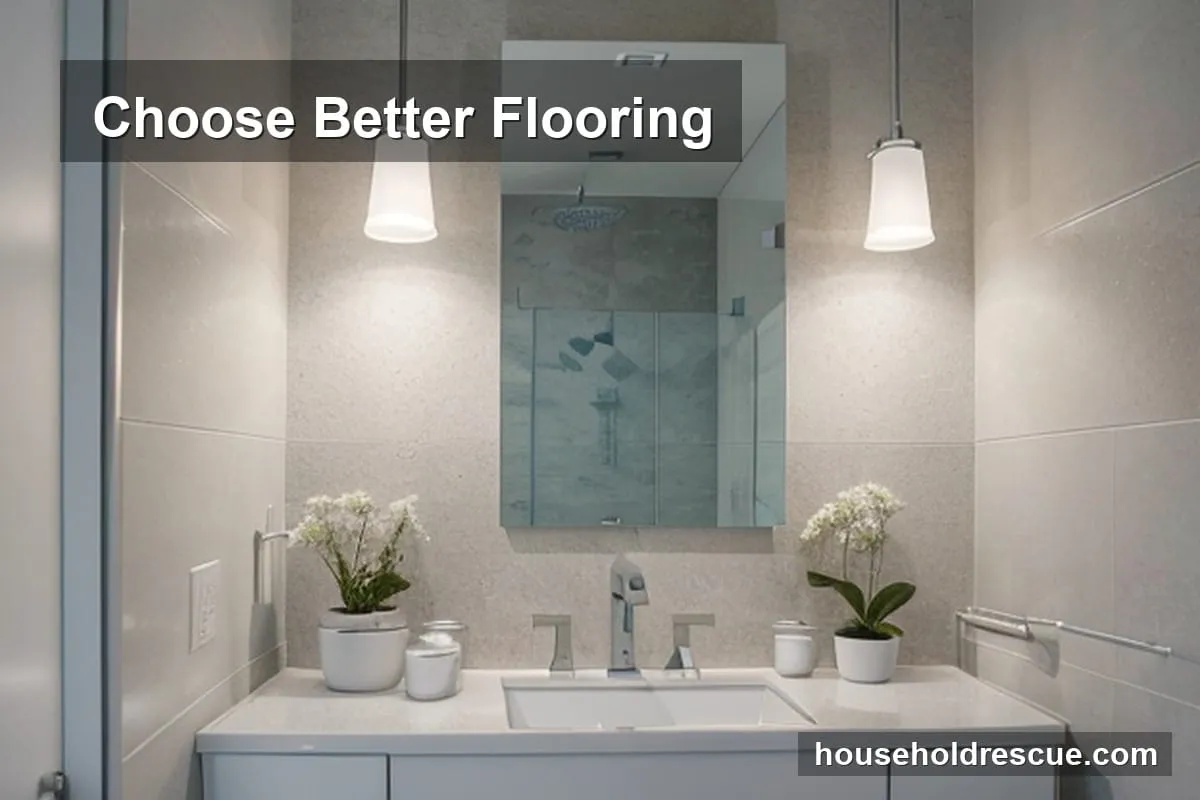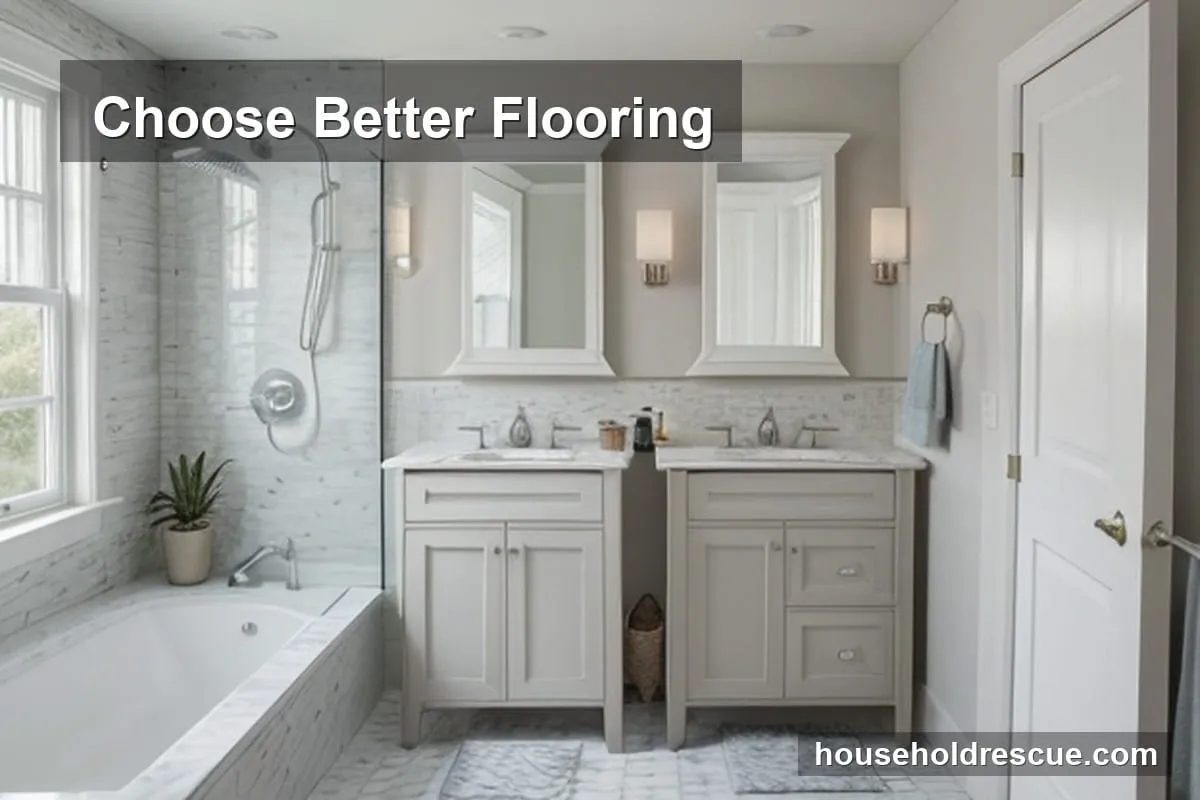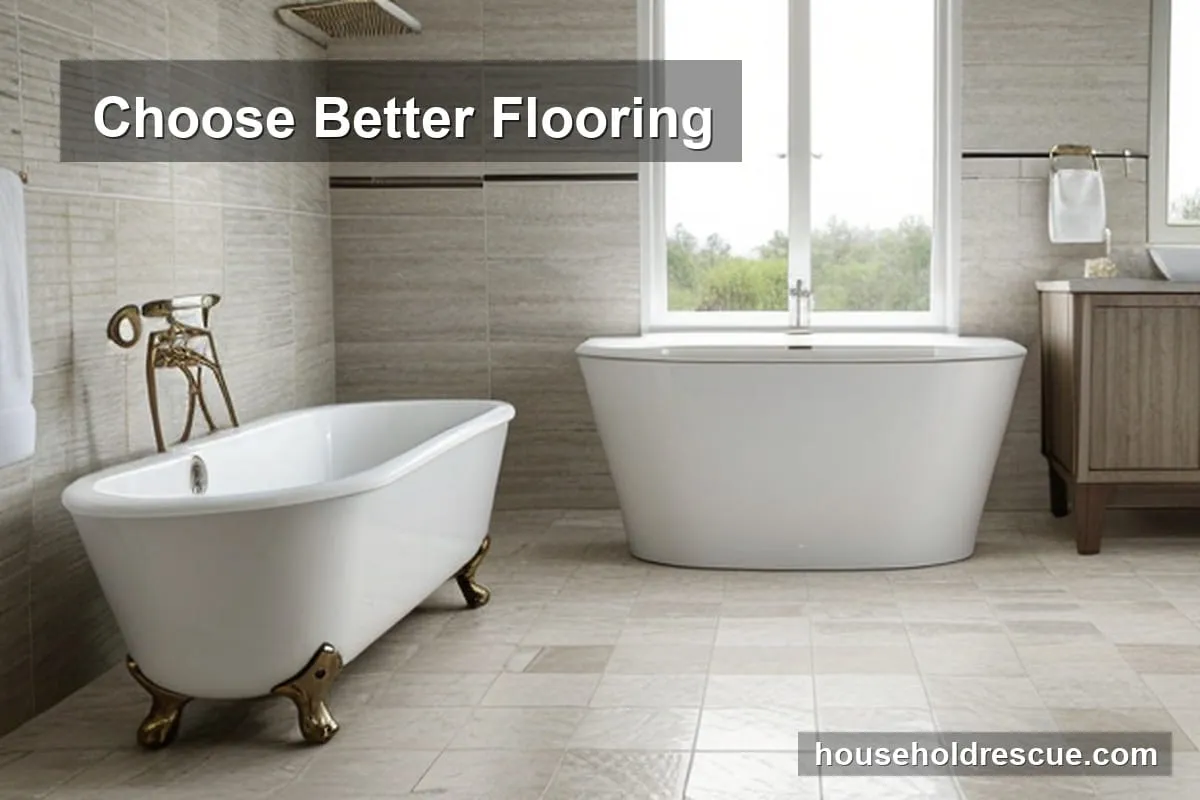
Durable Bathroom Flooring for Busy Homes: Expert Tips
Bathrooms are the most abused rooms in any house. You've got wet shoes, dropped razors, spilled shampoo, and toddlers splashing water everywhere. Finding flooring that can actually survive this chaos without looking like a disaster zone is the real challenge. It's not just about picking something pretty; it's about survival.
Key Takeaways
- Porcelain wins for durability: It's denser and less porous than ceramic, making it the best bet against water damage.
- Safety first: Don't ignore slip resistance ratings (COF); a smooth tile is a safety hazard when wet.
- Installation matters more than you think: Even the best floor will fail if the subfloor isn't prepared correctly or if grout isn't sealed.
- Maintenance is key: Regular cleaning with pH-neutral products prevents long-term damage to seals and finishes.
I've seen too many homeowners fall for the "shiny and cheap" trap. A glossy tile might look great in a showroom, but in a real bathroom with kids running around, it becomes an ice rink. The goal here is to balance style with resilience. You need materials that handle moisture without warping, resist scratches from dropped items, and are easy enough to clean on a busy Tuesday night.
Why Durable Flooring Matters in High-Traffic Bathrooms
Bathrooms are unique environments where water, humidity, and physical impact collide constantly. Unlike the living room, which gets occasional foot traffic, a bathroom floor is under siege from moisture daily. This constant exposure can degrade materials quickly if they aren't up to the task.
When you're dealing with a busy household, durability isn't just about longevity; it's about safety and hygiene. Water damage can lead to mold growth beneath the surface, which is a health hazard. According to the Environmental Protection Agency (EPA), indoor mold exposure can trigger respiratory issues and allergic reactions in sensitive individuals[1]. Choosing flooring that resists moisture penetration is your first line of defense against these health risks.
Warning: Cheap or improperly installed flooring can lead to mold growth, water damage, and costly repairs. Always invest in quality materials and professional installation.
The right choice prevents accidents, too. A slip-resistant surface is non-negotiable if you have elderly family members or young children who might not be steady on their feet. It also reduces the time you spend scrubbing grout lines, which can be a nightmare for busy people.
Top 5 Durable Bathroom Flooring Options Today
Let's cut through the marketing fluff and look at what actually works in the real world. These are the materials that stand up to the daily grind of a busy home.
1. Porcelain Tiles: The Ultimate in Water Resistance
If you want durability, porcelain is the gold standard. It's made from finer clay and fired at higher temperatures than ceramic, resulting in a denser, less porous material. This density is what makes it so resistant to water absorption.
Modern porcelain tiles come in prints that look surprisingly like natural stone or wood. You can get the aesthetic of marble without the high maintenance, or the warmth of oak without the risk of warping. They are incredibly hard and resist scratches from dropped tools or jewelry better than almost anything else.
- Pros: Extremely water-resistant, scratch-proof, available in endless designs including wood-look options.
- Cons: Can be slippery when wet if polished; installation requires skill due to hardness; grout lines need sealing.
Note: If you are worried about how the floor looks, check out our guide on choosing the right color and pattern for your bathroom flooring to ensure you pick a design that hides dirt and water spots.
2. Luxury Vinyl Plank (LVP): Comfort Meets Durability
Luxury vinyl plank is the modern underdog. It combines the comfort of wood with the waterproof capabilities of plastic. For families with pets or kids, this is often the top pick because it's softer underfoot and forgiving if a heavy object is dropped on it.
Unlike older vinyl sheets, LVP comes in rigid planks that mimic the texture of real wood. Most high-quality options are 100% waterproof, meaning water won't seep into the planks and cause swelling. It's also a great DIY-friendly option if you're handy with tools.
- Pros: Soft underfoot, 100% waterproof, affordable, easy to install.
- Cons: Can dent under extremely heavy point loads; lower quality versions may look too "plastic-y".
3. Natural Stone: Timeless Elegance with Care
Marble, granite, and travertine offer a luxury that synthetic materials struggle to match. However, they are porous by nature. This means they absorb liquids unless you seal them regularly.
If you choose natural stone, you're committing to a maintenance routine. You need to reseal it every year or two to keep water from staining the surface. That said, nothing beats the unique veining and feel of real stone in a high-end bathroom.
- Pros: Unique patterns, adds significant resale value, heat-resistant.
- Cons: Requires regular sealing, prone to etching from acidic cleaners (like vinegar), slippery when wet.
4. Water-Resistant Laminate: Affordable and Stylish
Laminate has come a long way. Older laminates were disaster-prone in bathrooms, but modern water-resistant versions use high-density fiberboard cores that repel moisture better than wood.
It's a budget-friendly option that looks like hardwood or stone. However, it's not truly waterproof like vinyl. If water sits on the surface for too long, it can seep into the seams and cause the core to swell. It's best for powder rooms or bathrooms with low traffic.
- Pros: Very affordable, quick installation, wide design options.
- Cons: Not waterproof (only water-resistant), can swell if water penetrates seams, less durable than tile.
5. Epoxy Coatings: A Protective Shield for Concrete
Epoxy coatings are a bit of an outlier but gaining traction in modern and industrial-style homes. It's a liquid resin applied directly over a concrete subfloor that cures into a hard, seamless surface.
Because it has no grout lines or seams, dirt and bacteria have nowhere to hide. It's incredibly resistant to chemicals, stains, and water. However, the installation is tricky and usually requires a professional to ensure proper adhesion and finish.
- Pros: Seamless surface, highly resistant to chemicals and water, long-lasting.
- Cons: Expensive, difficult DIY project, can be slippery if not textured.
| Material | Durability | Maintenance | Cost |
|---|---|---|---|
| Porcelain Tiles | High | Low (with sealing) | Medium-High |
| Luxury Vinyl | Medium-High | Very Low | Low-Medium |
| Natural Stone | High (if sealed) | Medium-High | High |
| Laminate | Medium | Low | Low |
| Epoxy Coatings | High | Very Low | Medium-High |
Installation Tips for Long-Lasting Results
You can buy the best flooring in the world, but if it's installed poorly, it will fail. I've seen tile crack because the subfloor wasn't level, and vinyl peel up because of moisture trapped underneath.
- Prepare the Subfloor: This is non-negotiable. The floor must be clean, dry, and level. For concrete slabs, a moisture barrier is essential to prevent water from wicking up through the pores.
- Use the Right Adhesives: Don't skimp on glue or grout. For wet areas, use waterproof grout and sealants. If you're installing tile over wood, ensure you have a proper underlayment like cement board to prevent movement.
- Allow for Expansion: Materials expand and contract with temperature changes. Leave appropriate expansion gaps around the perimeter of the room so the floor doesn't buckle later.
- Hire Professionals for Complex Jobs: If you're doing epoxy or natural stone, hire a licensed installer. The cost of fixing a botched job is often higher than doing it right the first time.
Tip: Always test flooring samples in your bathroom before purchasing. Light can alter the appearance of tiles and vinyl under different lighting conditions. A tile that looks grey in the store might look blue in your specific bathroom light.
Maintenance and Cleaning Strategies
Once installed, you need to keep it clean to maintain its durability. Harsh chemicals can eat away at grout seals and damage finishes over time.
- Daily Cleaning: Wipe up spills immediately. Water sitting on the floor is a recipe for mold or staining. Sweep or vacuum regularly to remove grit that acts like sandpaper on your finish.
- Weekly Deep Clean: Use pH-neutral cleaners. Avoid acidic products like vinegar or lemon juice on natural stone, as they can etch the surface[2]. For porcelain or vinyl, a mild detergent works wonders.
- Mold Prevention: Ensure your bathroom has a working exhaust fan. If you spot mold, use eco-friendly mold removal methods to treat it without damaging the floor.
- Protective Measures: Use mats in high-traffic areas and avoid dragging heavy objects like laundry baskets across the surface.
Warning: Using harsh chemicals or improper cleaning tools can damage flooring finishes and void warranties. Always follow manufacturer guidelines.
Common Mistakes to Avoid
Even with the best materials, poor choices during installation or maintenance can lead to premature failure. Here are the pitfalls I see most often:
- Ignoring Moisture Barriers: Failing to install a moisture barrier under tiles or vinyl in wet areas can lead to warping or mold growth underneath.
- Overlooking Slip Resistance: A high-gloss tile looks great but is dangerous when wet. Look for a Coefficient of Friction (COF) rating of at least 0.42 for wet areas[3].
- Using Incompatible Adhesives: Using the wrong glue can cause tiles to lift or vinyl to delaminate over time.
- Skipping Professional Help: Complex installations like epoxy coatings require expertise to ensure a seamless, long-lasting finish.
FAQ: Everything You Need to Know About Durable Bathroom Flooring
1. What's the most durable flooring for bathrooms?
Porcelain tiles and epoxy coatings are widely considered the most durable options due to their exceptional water resistance and ability to withstand heavy foot traffic without degrading.
2. How do I prevent mold on bathroom floors?
Prevent mold by ensuring proper ventilation with an exhaust fan, wiping up standing water immediately, and using eco-friendly cleaning methods that don't damage your floor's sealant.
3. Can I install vinyl flooring over existing tile?
Yes, you can install luxury vinyl plank over existing tile as long as the grout lines are filled to create a smooth surface and the tiles are securely bonded to the subfloor.
4. Is laminate flooring safe for bathrooms?
Laminate is generally not recommended for full bathrooms due to its susceptibility to water damage, but water-resistant versions can work in powder rooms or low-moisture areas if spills are managed quickly.
Tip: If you have pets, consider how their claws might interact with your floor. Softer materials like vinyl might show scratches more easily than hard porcelain, but they are also more forgiving if a pet slips.
Final Thoughts
Choosing bathroom flooring is about balancing aesthetics with the reality of daily life. You don't need to sacrifice style for durability; modern materials offer both. Just remember that proper installation and regular maintenance are just as important as the material you pick.
If you're looking to upgrade your space, consider how the floor fits into the overall design. For example, if you want a cozy look, check out our guide on top rustic farmhouse decorating styles to see how flooring can anchor that vibe.
This article provides general information and expert tips for home improvement. It is not a substitute for professional advice, especially regarding structural modifications or complex installations. Always consult with a qualified contractor or specialist before making major changes to your home.
Sources & References
- Indoor Air Quality and Mold — U.S. Environmental Protection Agency (EPA)
- Stone Care: Cleaning and Maintenance — Natural Stone Institute
- Standard Test Method for Determining the Coefficient of Friction — ASTM International