Top Rustic Farmhouse Decorating Styles: Timeless Designs for Cozy Living Spaces
You know that feeling when you walk into a room and immediately want to take off your shoes, curl up in a wool throw, and forget the news cycle? That's the rustic farmhouse vibe. It isn't just about shiplap or mason jars; it's about creating a space that feels lived-in, unpretentious, and deeply comfortable. I've spent years helping homeowners navigate this aesthetic, and I can tell you that the best rustic spaces aren't museum pieces—they're functional environments where family life actually happens.
Key Takeaways
- Rustic farmhouse design blends the rugged charm of rural living with modern functionality, prioritizing natural materials like reclaimed wood and stone.
- Successful styling relies on balancing textures (like linen and wool) with a neutral color palette to avoid a cluttered look.
- Maintaining this aesthetic requires specific care for natural materials, including regular cleaning routines for floors and walls.
Understanding the Core of Rustic Farmhouse Aesthetics
At its heart, rustic farmhouse design is a reaction against perfection. It celebrates the "imperfect"—the knots in the wood, the chipped paint on a vintage chair, and the uneven texture of hand-hewn stone. This style draws heavily from the agricultural past, focusing on durability and utility. But don't let the word "rustic" fool you into thinking it's rough around the edges; modern interpretations have refined this look to be incredibly sophisticated.
The key is balance. You want that weathered, timeworn feel without the space looking like a barn from 1920. Today, we mix those heavy timber beams with sleek, contemporary lighting and smart home tech. It's about creating a sanctuary where you can relax after a long day, but it also needs to function for your actual life.
Top Decorating Styles for Rustic Farmhouses
There isn't just one way to do rustic farmhouse. Depending on your location and personal taste, you might lean towards the traditional roots or a more modern, industrial twist. Here are the four most effective styles I've seen work in real homes.
1. The Traditional Rustic Farmhouse
This is the classic look that started it all. If you picture a Victorian farmhouse with deep porches and wide-plank floors, you're on the right track. This style thrives on authenticity. You'll see exposed brick walls, perhaps from an old chimney, and floorboards that have been sanded down to reveal their grain over decades.
It's ideal for those who want a home that feels like it has a history. I often recommend sourcing furniture from estate sales rather than big-box stores for this look. A mismatched set of dining chairs, where one is dark oak and another is painted white, adds character that mass-produced sets just can't replicate. The goal here is nostalgia—a sense of stepping back in time without sacrificing comfort.
2. Modern Rustic Farmhouse
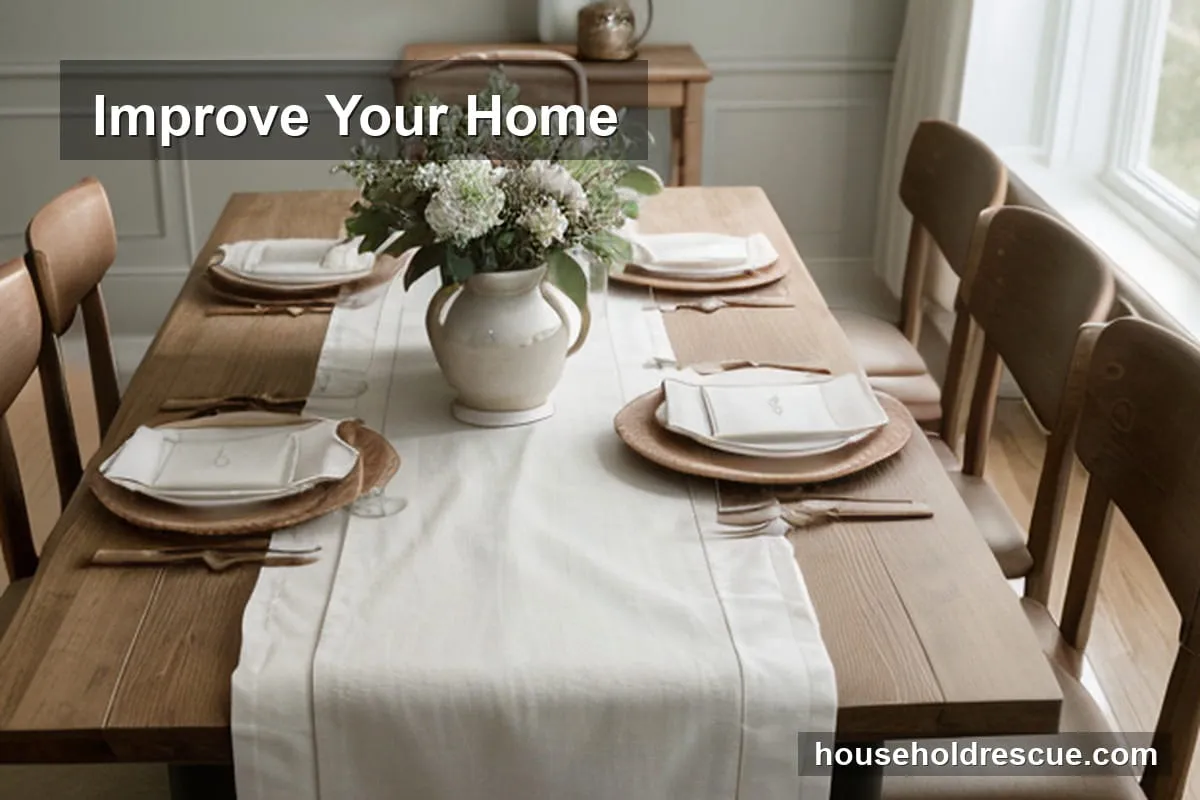
If you love the warmth of wood but hate the clutter, this is your style. Modern rustic farmhouse blends the rugged elements of the traditional look with clean, contemporary lines. Think reclaimed wood accent walls paired with a minimalist sofa in a crisp linen fabric.
It's perfect for homeowners who want to maintain that cozy charm while embracing modern living. You might see floating shelves made from thick, rough-hewn timber holding sleek ceramic vases. The color palette stays neutral—whites, grays, and soft beiges—to keep the space feeling airy rather than heavy.
3. Coastal Rustic Farmhouse
This style is a natural evolution for homes near the beach or those that get a lot of sunlight. It combines the rustic charm of farmhouse design with the breezy, light-filled vibe of coastal living. You'll find nautical elements like rope accents and jute rugs mixed with the usual wood and stone.
It's ideal for homes near the beach or those wanting to bring a coastal feel indoors. The color scheme shifts towards lighter tones—ocean blues, sandy beiges, and crisp whites—to reflect the light. I've seen this work beautifully in living rooms where you want to maximize natural light without losing that grounded, earthy feeling.
4. Rustic Industrial Farmhouse
This is a bolder choice. It merges rustic elements with industrial design, featuring exposed metal beams, concrete floors, and utilitarian furniture. It's a great choice for urban homes or those looking to create a strong, edgy aesthetic with a rustic twist.
Imagine an open-concept loft where the brick wall is left raw, but the lighting fixtures are matte black steel pipes. This style works well in larger spaces where you can let the textures speak for themselves. It's less about "cozy" and more about "cool," but it still retains that organic connection to natural materials.
Color Schemes: Setting the Mood
Color plays a crucial role in defining the mood of a rustic farmhouse space. Earthy tones like beige, cream, and soft greens are staples because they mimic the landscape outside. However, don't shy away from adding pops of color through textiles or decor to keep it from feeling flat.
For example, a muted blue accent wall in a living room can add depth without overpowering the space. Or, consider terracotta or sage green for a more earthy connection to nature. The key is to keep the base neutral so your furniture and decor can shine.
Furniture and Decor: Key Elements
Choosing the right furniture and decor is essential to achieving the rustic farmhouse look. You want pieces that feel substantial but not overwhelming.
- Reclaimed Wood Furniture: Tables, chairs, and shelves made from reclaimed wood add character and sustainability to your space. Look for pieces with visible joinery or saw marks—they tell a story.
- Textured Fabrics: Think chunky knit throws, woven baskets, and linen curtains to add warmth and depth. These materials soften the hard lines of wood and stone.
- Vintage Accessories: Antique mirrors, farmhouse clocks, and hand-painted ceramics bring a sense of history and charm. A well-placed mirror can also make a small room feel larger.
- Stone Accents: Use stone countertops, fireplaces, or wall tiles to introduce natural textures. Stone is durable and timeless, making it a great choice for high-traffic areas.
Practical Tips for Implementing Rustic Farmhouse Styles
Creating a rustic farmhouse space isn't just about aesthetics—it's also about functionality. Here are some practical tips to help you get started:
- Layer Lighting: Use a mix of overhead lighting, table lamps, and string lights to create a warm, inviting glow. A single bright bulb can kill the mood instantly.
- Declutter Thoughtfully: Rustic farmhouse spaces thrive on simplicity. Keep surfaces clean and use storage solutions like woven baskets or wooden crates to hide clutter. For more ideas, check out storage-proof living room tips for large families.
- Embrace Natural Materials: Incorporate materials like wood, stone, and wool to enhance the rustic feel. These materials also improve indoor air quality by regulating humidity.
- Regular Maintenance: To keep your space looking its best, follow a beginner's guide to flawless wall cleaning to ensure walls, floors, and furniture remain in excellent condition.
Common Mistakes to Avoid
While rustic farmhouse design is forgiving, there are a few pitfalls to watch out for. I see these mistakes often when people try to replicate the look without understanding the balance.
- Overusing Ornate Details: Rustic farmhouse styles favor simplicity. Avoid excessive patterns or overly ornate decor that can clash with the minimalist ethos. Less is more here.
- Ignoring Functionality: While aesthetics are important, ensure that your furniture and decor serve a purpose. For example, choose durable materials for high-traffic areas like kitchens or entryways. A delicate antique table might not survive a family dinner.
- Overloading with Textures: Balance is key. Too many different textures can make a space feel chaotic. Stick to a cohesive palette and mix textures thoughtfully, perhaps by pairing smooth stone with rough wood.
FAQ: Answers to Your Rustic Farmhouse Decorating Questions
1. What are the key elements of a rustic farmhouse style?
Rustic farmhouse styles emphasize natural materials like wood and stone, earthy color palettes, and functional, handcrafted furniture. Key elements include exposed beams, vintage decor, and a focus on creating a warm, welcoming atmosphere.
2. How can I incorporate modern elements without losing the rustic feel?
Blend modern elements by choosing sleek, minimalist furniture in neutral tones and pairing them with rustic accents like wooden tables or stone fireplaces. Smart home technology can also be integrated discreetly to maintain the rustic charm.
3. What are the best color palettes for a rustic farmhouse?
Earthy tones like beige, cream, and soft greens are ideal. For contrast, use muted shades of blue or terracotta in textiles or accessories. Always ensure colors complement the natural materials in your space.
4. Can I achieve a rustic farmhouse look in a small space?
Absolutely! Use light-colored walls, mirrors to create the illusion of space, and multifunctional furniture like storage ottomans. Keep decor minimal and focus on creating a sense of openness.
5. How do I maintain a rustic farmhouse space?
Regular cleaning and maintenance are essential. Follow a 10 natural ways to eliminate floor odors to keep floors fresh, and use natural cleaning products to preserve the integrity of wood and stone materials.
6. What are the best materials for rustic farmhouse decor?
Reclaimed wood, stone, wool, and natural fibers are excellent choices. These materials add warmth and durability while enhancing the rustic aesthetic.
Key Takeaways and Final Recommendations
Creating a rustic farmhouse space is all about balancing warmth, functionality, and style. Whether you opt for a traditional, modern, or coastal twist on the classic look, the key is to stay true to the core principles of rustic design. Here are a few final recommendations to keep in mind:
- Invest in quality, durable materials that will stand the test of time.
- Use natural light to enhance the warmth of your space and reduce reliance on artificial lighting. For more tips, see transform your living room with strategic lighting.
- Don't be afraid to mix and match styles—rustic farmhouse decor is all about creating a unique, personalized space.
- Regularly maintain your home to ensure your rustic elements remain in excellent condition.
By embracing the best decorating styles for rustic farmhouses, you can create a space that feels like a true retreat from the modern world. Whether you're starting from scratch or looking to refresh your current home, the timeless charm of rustic farmhouse design will never go out of style.