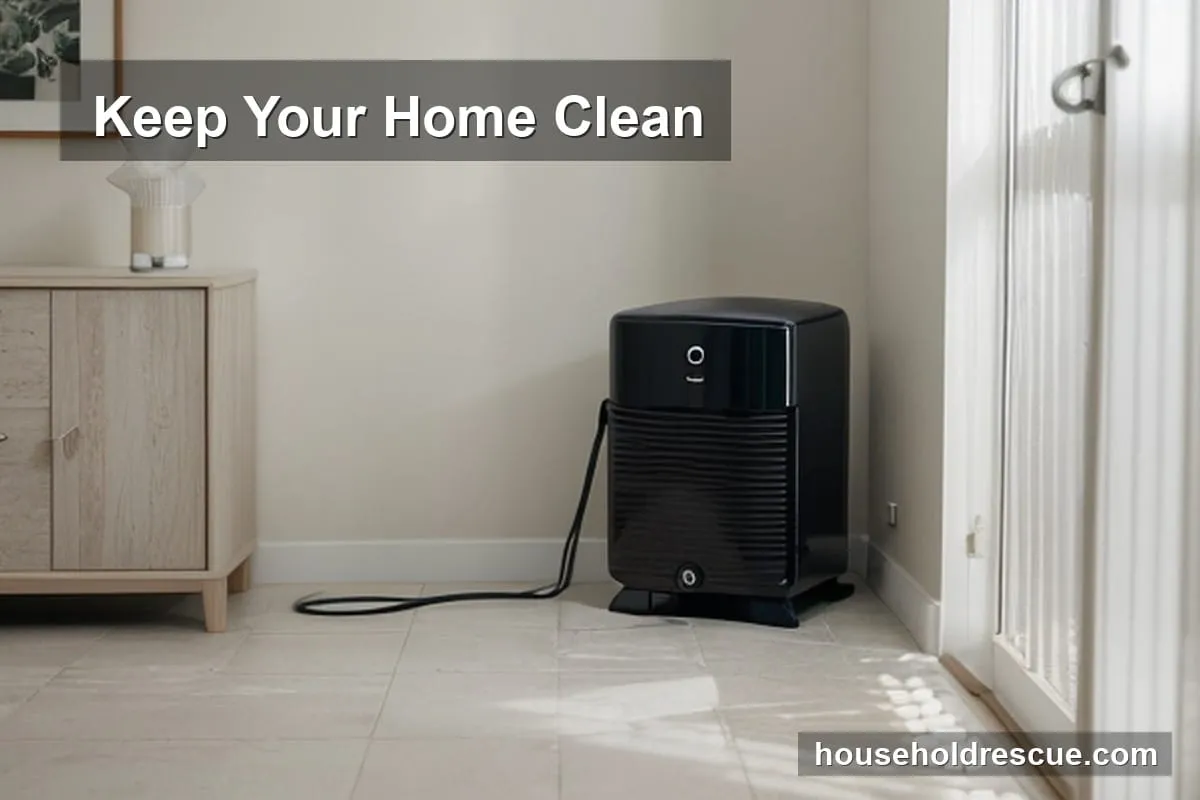
I remember the winter I first bought a humidifier. The air in my apartment was so dry that my skin felt like sandpaper, and my throat would scratch every time I woke up. I plugged it in, filled it with whatever water was running out of my tap, and watched the mist roll out. It worked for about three weeks before the smell hit me—a sour, musty odor that made the room feel damp and dirty despite the machine's output. That was the moment I realized how much I had neglected the device. I wasn't just letting it run; I was letting it become a breeding ground for bacteria.
Humidifiers are fantastic tools for combating dry air, especially during winter months when heating systems suck the moisture right out of our homes. They can soothe coughs, protect wooden furniture, and even help your skin stay hydrated. But they only work well if you treat them like the machines they are, not just "set it and forget it" appliances. A neglected humidifier doesn't just stop working; it starts pumping mold spores and bacteria back into the air you breathe.
Key Takeaways
- Daily Emptying: Never leave water sitting in the tank overnight; stagnant water is a breeding ground for bacteria.
- Water Choice Matters: Stick to distilled or demineralized water to prevent the white dust and mineral clogs that kill performance.
- Weekly Deep Clean: A quick rinse isn't enough; you need to scrub the tank and base with vinegar or peroxide once a week.
- Filter Hygiene: Replace filters every 3 to 6 months, or sooner if they smell musty, to ensure clean air output.
Why Maintenance Actually Matters (Beyond Just Longevity)
You might think you're just keeping a machine running longer, but the real stakes are higher than that. When water sits in a humidifier without circulation, it creates a perfect environment for microbes to thrive. Studies have shown that ultrasonic humidifiers can aerosolize minerals and bacteria from tap water if not cleaned regularly, potentially causing respiratory issues or "humidifier fever"[1].
It's not just about the health risks, though. Mineral buildup is a silent killer of efficiency. When calcium and magnesium from tap water harden into scale, they coat the heating element (in warm mist models) or the ultrasonic diaphragm (in cool mist models). This layer acts as an insulator, forcing the motor to work harder to produce mist. The result? You get less humidity for more electricity, and eventually, the unit just gives up.
Think of your humidifier like a car engine. If you never change the oil or clean the air filter, it might run for a while, but eventually, it will seize up. Regular maintenance keeps the airflow clear and the components healthy. It's also a chance to check other parts of your home environment; while cleaning the unit, you might notice that the walls in that corner are getting damp, prompting you to adjust your ventilation or perhaps look into smart wall storage ideas for contemporary living rooms blending style and utility to improve air circulation around furniture.
The Step-by-Step Routine: Keeping It Running Smoothly
There's a rhythm to this. You don't need to tear the whole thing apart every day, but you do need a routine. Here is how I handle it now, and how you should too.
1. The Daily Water Swap
This is the non-negotiable rule. Every single morning, dump out whatever water is left in the tank. Stagnant water starts growing bacteria within hours. Rinse the tank with fresh water and refill it with fresh supply.
If you are using a warm mist humidifier, this step is even more critical because the heating element can scorch any organic matter left behind. For cool mist models, emptying the tank prevents that "old pond" smell from developing overnight. It's a two-minute task that saves you from a week of cleaning later.
2. The Weekly Deep Clean (The Vinegar Soak)
Once a week, give the unit a proper scrub. This is where most people cut corners. They rinse it out and call it good. You need to go deeper.
- Disassemble: Take off the tank, the base, and any removable filters or trays. If your model has a wick filter, you can't clean that; you have to replace it. But for the plastic and glass parts, get them all apart.
- The Soak: Fill the base and tank with a mixture of one part white vinegar to two parts water. Let it sit for 15 to 20 minutes. The acid in the vinegar breaks down the mineral scale (limescale) that water softeners often miss.
- The Scrub: Use a soft brush or an old toothbrush to scrub the inside of the tank and the base where the mist comes out. You'll likely see brownish or white flakes coming off—that's the mineral buildup you need to remove.
- Rinse Thoroughly: Rinse everything with clean water until no vinegar smell remains. If you leave vinegar residue, it will create a pungent odor when you turn the machine on next time.
If you have stubborn scale that won't budge with vinegar, try a 3% hydrogen peroxide solution instead. It's a powerful disinfectant that kills mold spores without leaving toxic residues like bleach might.
3. Water Choice: Tap vs. Distilled
This is the biggest debate in the humidifier world. Can you use tap water? Technically, yes. But should you? If you live in an area with hard water, using tap water is a recipe for white dust and clogs.
When tap water evaporates, it leaves behind minerals. In a cool mist humidifier, these minerals get shot out into the air as a fine white powder that settles on your furniture and floors. It's messy and can trigger allergies. In warm mist units, they build up inside the tank, insulating the heating element.
Using distilled water or demineralized water is the best way to avoid this. It costs a bit more upfront for the gallon jugs, but it saves you from buying replacement parts or cleaning solutions later. If you really must use tap water, consider installing a whole-house filtration system or using a carbon filter specifically designed for your humidifier model.
4. Filter Management
If your humidifier has a filter (wick, evaporative, or cartridge), treat it like the heart of the machine. The manufacturer usually gives a timeline—typically every 3 to 6 months—but don't just follow the clock blindly. If you notice the airflow slowing down or a musty smell coming from the unit even after cleaning, change the filter immediately.
A clogged filter forces the motor to strain. It's like trying to breathe through a thick wool blanket. You can also check your how to safely use fertilizers in gardening expert tips for an analogy on how nutrients (or in this case, water) need to flow freely; just as plants choke without proper drainage, humidifiers choke with blocked filters.
5. Proper Storage
You can't run a humidifier 24/7 all year round. When the humidity levels are naturally high or you're moving to a different season, you need to store it properly. Don't just toss it in a closet with a wet tank inside.
Empty it completely. Disassemble every part you can take apart. Let everything air dry fully before packing it away. If you store it while damp, you are guaranteed to grow mold that will be impossible to remove later. Store it in a cool, dry place. If you have a dedicated space for creating a minimalist laundry room for a clutter-free space, that's often a great spot for seasonal storage since these areas are usually climate-controlled and free of dust.
Common Mistakes That Kill Your Unit
I've seen people make the same mistakes over and over. Here is what you need to watch out for.
Warning: Using tap water in a humidifier without a demineralization cartridge will lead to rapid mineral buildup, reducing efficiency and creating white dust that can irritate lungs.
Mistake 1: Ignoring the "White Dust"
If you see a white powder on your furniture near the humidifier, stop using tap water immediately. That is calcium carbonate being aerosolized into your home. It's not just annoying; it can settle in your lungs and cause irritation, especially for children or people with asthma.
Mistake 2: Over-humidifying
More moisture isn't always better. If you run your humidifier too hard, you can raise the humidity levels above 60%. This is the danger zone for mold growth on walls and ceilings. You might not see it immediately, but over time, it creates a damp environment that encourages structural damage.
Use a hygrometer to monitor your levels. If you're struggling with humidity control, sometimes re-evaluating your room's layout helps. For instance, if your furniture is blocking airflow, looking at smart living room storage tips to maximize space functionality can help you rearrange items to improve air circulation.
Mistake 3: The "Set and Forget" Filter
Buying a humidifier is easy; maintaining the filter is where people fail. A dirty filter doesn't just smell bad; it stops working. If your unit is running but not producing mist, check the filter first before assuming the motor is broken.
Troubleshooting: When Things Go Wrong
Even with perfect care, things can go wrong. Here is how to diagnose common issues without calling a repair technician.
Tip: If your humidifier is making a loud rattling or clicking noise, it's often due to mineral buildup on the vibrating plate (in ultrasonic models) or a loose part. A thorough cleaning usually fixes this.
| Issue | Probable Cause & Solution |
|---|---|
| No Mist / Low Output | Check the filter. Is it clogged? If yes, replace it. Also, ensure the water tank is seated correctly and the float mechanism isn't stuck. |
| Noisy Operation | Mineral buildup on the transducer can cause a high-pitched whine or rattling. Soak in vinegar to remove scale. Ensure the unit is on a flat, stable surface. |
| Unpleasant Odor | This is usually mold or bacteria. Perform a deep clean with hydrogen peroxide or vinegar. If the smell persists after cleaning, the internal seals may be compromised and need replacement. |
| Water Leaking | Check the tank seal. Is it cracked? Is the base level? Sometimes the float valve gets stuck in the open position, causing continuous overflow. |
Frequently Asked Questions
How often should I clean my humidifier?
You should perform a quick rinse and water swap daily, followed by a thorough deep cleaning with vinegar or peroxide once a week. This frequency prevents bacterial buildup and mineral scale from accumulating inside the unit.
Info: If you use your humidifier continuously in a high-humidity environment, consider increasing your cleaning frequency to every few days to prevent mold growth.
Can I use tap water in my humidifier?
You can use tap water, but it is generally not recommended for long-term health and machine longevity. Tap water contains minerals that create white dust and scale buildup. Using distilled or demineralized water is the best practice to avoid these issues.
What if my humidifier is making noise?
Noise is often caused by mineral deposits on the vibrating plate or an unlevel base. Try soaking the unit in vinegar to dissolve the buildup and ensure it is sitting flat on a stable surface. If the noise persists, check for loose internal components.
How do I know when to replace the filter?
Replace the filter every 3 to 6 months, or sooner if you notice a musty smell or reduced mist output. A visual inspection can also help; if the filter looks gray, dirty, or disintegrated, it's time for a new one.
Can I use my humidifier in a bathroom?
Yes, but you need to be careful about ventilation. Bathrooms are already prone to high humidity, and adding more moisture can encourage mold growth on walls and grout. Ensure the room is well-ventilated with an exhaust fan running.
Is it safe to use a humidifier for pets?
Yes, humidifiers are generally safe for pets and can help with dry skin and respiratory issues in dogs and cats. However, you must ensure the water is clean and the unit is regularly maintained to prevent bacterial growth that could affect your pets' health.
What's the best way to store a humidifier during winter?
Empty the tank completely, disassemble all removable parts, and let everything dry thoroughly before storing. Keep it in a cool, dry place like a closet or garage, away from direct sunlight or damp areas that could promote mold growth.
Maintaining Your Home's Air Quality
Caring for your humidifier is part of a larger picture of home maintenance. A clean humidifier contributes to better air quality, which ties into other aspects of home care. For example, if you are planning a seasonal refresh, a complete wall cleaning checklist for a spring refresh might reveal that your walls need attention due to excess moisture, prompting you to adjust your humidifier settings.
Similarly, if you are looking to improve the aesthetic of your home while doing maintenance, checking how to choose the perfect paint colors for your dining room can help you select moisture-resistant paints that complement a healthy indoor environment. And don't forget your plants; if you have greenery in the home, knowing best indoor palms for dim rooms low maintenance plants that thrive can help you balance humidity levels naturally.
This article provides general information and tips for maintaining household appliances. It is not intended as a substitute for professional advice, manufacturer instructions, or medical guidance. Always consult your humidifier's user manual for specific cleaning instructions and safety warnings.
Final Thoughts
Keeping a humidifier running well isn't about being obsessive; it's about respecting the machine. It's a simple device that does a lot of heavy lifting for your home's comfort, but it needs a little love to keep doing it. By swapping water daily, scrubbing it weekly, and using the right water, you can avoid the musty smell and health risks associated with neglected units.
It's also worth thinking about how this fits into your broader home maintenance routine. Just as you would how to protect your water heater this winter essential tips to ensure it runs efficiently, treating your humidifier with the same care ensures it lasts for years. And if you're looking to upgrade your home's style while you're at it, exploring top rustic farmhouse decorating styles timeless designs for cozy living spaces can give you ideas on how to make your humidifier part of your decor rather than just a utility.
Ultimately, a well-maintained humidifier is an investment in your comfort and health. It's not just about the mist; it's about the clean air that comes with it.
Sources & References
- Humidifiers: A Guide to Safe Use — Centers for Disease Control and Prevention (CDC)