Why Your Office Furniture Needs More Than a Quick Wipe
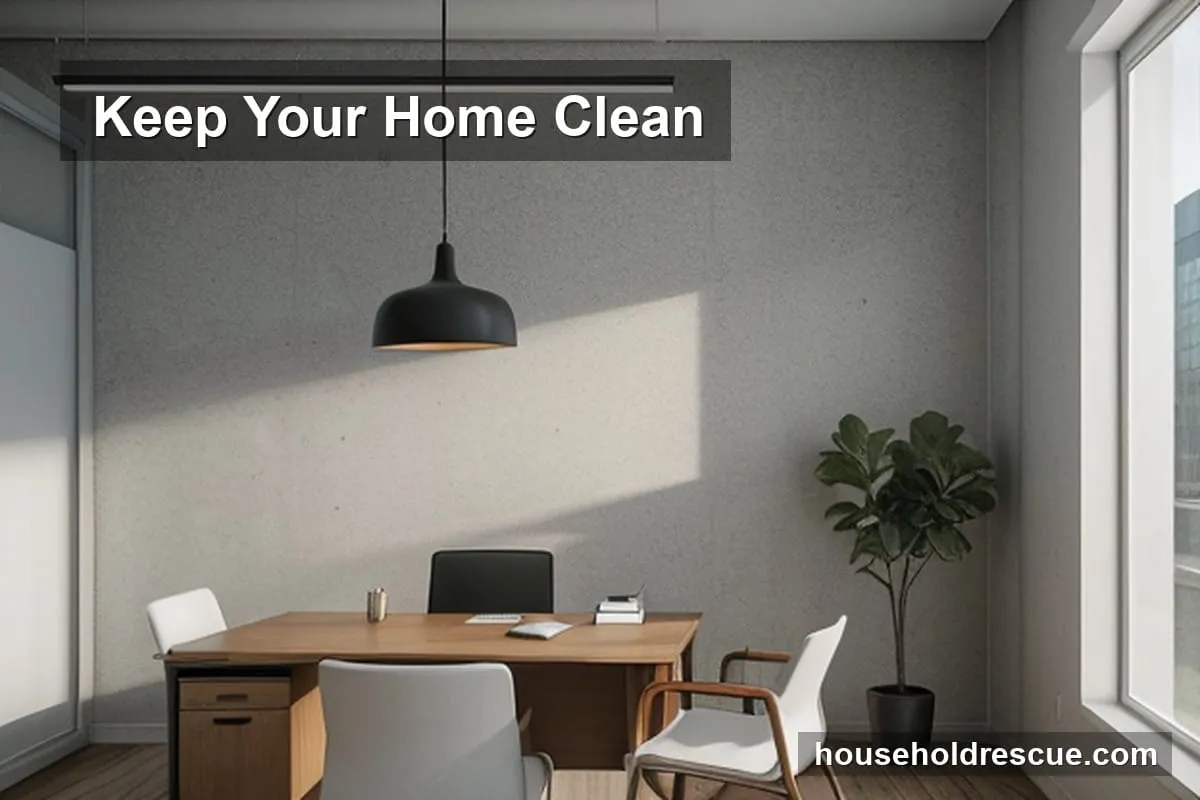
You know that feeling when you walk into a conference room and immediately notice the sticky residue on the table or the dust bunnies hiding behind the filing cabinet? It's jarring. It signals neglect. In a professional setting, your furniture isn't just furniture; it's a silent ambassador for your brand's attention to detail.
I've seen high-performing teams struggle simply because their workspace felt neglected. A dusty monitor stand or a stained leather chair can subconsciously lower morale and make clients question the team's overall competence. The good news? You don't need a full renovation to fix this. Sometimes, a shift in routine is all it takes.
Key Takeaways
- Material Matters: Different surfaces like leather, wood, and laminate require specific cleaning agents to avoid damage.
- Dust is a Health Risk: Regular dusting removes allergens that can impact respiratory health and focus.
- Prevention Works: Simple habits like using coasters or desk mats extend the life of your furniture significantly.
- Eco-Friendly Options: You can achieve a spotless look without harsh chemicals by using vinegar and microfiber cloths.
The Hidden Cost of a Dirty Workspace
When we talk about cleaning office furniture, we often focus on the visual appeal. But there's a functional reason to keep things spotless. Dust isn't just an eyesore; it's a collection of skin cells, pollen, and microscopic debris that can trigger allergies or asthma[1].
Imagine trying to focus on a complex spreadsheet while sneezing from allergens settled on your desk. That's the reality of an unclean workspace. Furthermore, grime acts like sandpaper over time. If you wipe a desk with a dirty cloth, you're essentially grinding that grit into the finish, causing micro-scratches that dull the surface permanently.
It's not just about looking good; it's about preserving the asset. A well-maintained chair or desk can last for decades, whereas a neglected one might need replacing in just a few years due to wear and tear.
Material-Specific Cleaning Strategies
One size definitely does not fit all here. Treating a mahogany desk the same way you treat a plastic laminate desk is a recipe for disaster. Let's break down how to handle the most common office materials.
1. Wood and Veneer Surfaces
Wood is beautiful but thirsty. It reacts poorly to excess water, which can cause warping or swelling. For daily dusting, a dry microfiber cloth is your best friend. If you need to clean it up, use a slightly damp cloth followed immediately by a dry one.
Pro Tip: Never use furniture polish that contains silicone unless you plan on refinishing the wood later. Silicone creates a slick layer that makes future repairs difficult. Instead, look for natural oils like lemon or tung oil to nourish the grain.
Warning: The Sun and Water Rings
Direct sunlight can fade wood finishes over time, just like it fades a rug. Also, never leave a cold drink on a wooden desk without a coaster. The condensation creates water rings that can penetrate the finish, leaving permanent white marks.
2. Leather and Faux Leather
Leather chairs are a staple in executive offices, but they are porous. They absorb oils from your skin and clothing, which can lead to cracking if not conditioned. For genuine leather, use a dedicated leather cleaner and conditioner every few months.
If you have faux leather (bonded or synthetic), the rules are simpler but require vigilance against peeling. A mix of mild soap and water works well here. Avoid alcohol-based cleaners, as they can strip the plastic coating and cause it to crack.
3. Laminate and Plastic
This is the most durable material but also the easiest to dull with harsh chemicals. Ammonia or bleach can strip the protective layer. Stick to a solution of warm water and dish soap. For sticky spots, a little rubbing alcohol on a cloth works wonders without damaging the surface.
Info: The Microfiber Advantage
Standard cotton rags often push dirt around rather than trapping it. Microfiber cloths have electrostatic properties that attract and hold dust particles, making them superior for office cleaning.
Deep Cleaning the Often-Neglected Areas
Most people clean the top of their desk. They wipe the chair seat. But what about the hard-to-reach spots? These areas collect the most grime and are often where bacteria thrive.
Under the Desk and Chair Casters
The area under your desk is a dust magnet. Use a vacuum with a crevice tool to suck up hair, crumbs, and paperclips that have fallen through the gaps. Don't forget the chair wheels! They pick up carpet fibers and dirt from the floor, which then get ground back into the carpet every time you roll around.
Keyboard Trays and Monitor Stands
These are high-touch zones. Use disinfectant wipes designed for electronics to clean these surfaces. Be careful not to let liquid drip into the ports or vents. A cotton swab dipped in a little rubbing alcohol can get into the tight corners of a keyboard.
Carpet and Rug Care
If your office has carpeting, it's the first line of defense against dirt. Vacuum weekly with a HEPA filter to trap fine dust particles that might otherwise be kicked back into the air. For spills, blot immediately. Never rub, or you'll push the liquid deeper into the fibers.
Speaking of deep cleaning and managing clutter in your home, if you find yourself looking for ways to optimize space elsewhere, checking out smart ways to optimize small home laundry space can offer some transferable ideas on how to organize utility areas efficiently.
Maintenance: The Art of Prevention
Cleaning is reactive; maintenance is proactive. The best way to keep your furniture looking professional is to stop the damage before it happens.
- Use Desk Mats: A large desk mat protects the surface from scratches caused by moving a mouse or placing a laptop.
- Pads and Glides: Ensure all chair legs have felt pads. This prevents scratching hardwood floors and reduces noise when you move your chair.
- Rotate Items: If you have heavy equipment on a shelf, rotate its position occasionally to prevent uneven wear or sagging.
Eco-Friendly Cleaning Hacks
You don't need industrial-strength chemicals to get a professional shine. In fact, natural solutions are often safer for your health and the environment.
DIY Cleaning Solutions
- All-Purpose Cleaner: Mix equal parts water and white vinegar. This works great on glass, metal, and sealed wood surfaces.
- Stainless Steel Polish: A tiny drop of olive oil on a microfiber cloth can restore shine to steel desks or appliances without leaving streaks.
- Fabric Refresh: For fabric chairs, sprinkle baking soda, let it sit for 15 minutes, and vacuum. It neutralizes odors effectively.
If you are looking to incorporate more green practices into your home maintenance, simple roof and gutter care is another area where eco-friendly habits make a big difference.
Common Mistakes That Damage Furniture
Even with good intentions, we sometimes make mistakes that accelerate wear.
- Over-wetting: Damp is fine; soaking wet is bad. Excess moisture seeps into joints and causes wood to swell or glue to fail.
- Using the wrong cloth: Paper towels can leave lint and are sometimes abrasive enough to scratch finishes. Stick to microfiber.
- Neglecting the underside: If you only clean the top, you're missing half the work. Dust accumulates on undersides of desks and shelves too.
Moving Beyond the Office: A Holistic View
Cleaning your office furniture is part of a larger ecosystem of home maintenance. Just as you need to care for your workspace, you also need to ensure your home's structural elements are sound. For instance, if you notice signs that doors and windows need immediate repairs, addressing them quickly can prevent drafts and energy loss.
Similarly, maintaining a healthy indoor environment often involves managing your air quality and plants. If you are looking to improve the aesthetics of your workspace with greenery, learning about best indoor palms for dim rooms can help you select plants that thrive in office lighting conditions.
Frequently Asked Questions (FAQ)
Q: What is the absolute best way to clean a leather office chair?
A: The safest method is to use a dedicated leather cleaner followed by a conditioner. Start by dusting with a dry microfiber cloth, then apply a small amount of cleaner to a damp cloth and wipe in circular motions. Never soak the leather, as water can cause it to crack or discolor over time.
Q: Can I use vinegar on all types of office furniture?
A: Vinegar is excellent for glass, metal, and sealed wood surfaces, but you should avoid using it on unsealed wood or natural stone, as the acidity can etch the surface. Always test a small, hidden area first to ensure compatibility.
Q: How often should I deep clean my office furniture?
A: For a home office, a deep clean every 3 to 6 months is sufficient for most materials. However, high-traffic areas like carpets or frequently touched surfaces like chair arms may need attention more often, perhaps monthly.
Q: Does cleaning furniture really improve productivity?
A: Yes. A cluttered and dirty environment increases cognitive load and stress levels. A clean workspace reduces distractions and signals to your brain that it's time to focus, leading to better efficiency and morale[2].
Q: What should I do if a stain sets into my fabric chair?
A: Don't panic. Blot the stain with a clean cloth to remove excess liquid, then apply a small amount of upholstery cleaner or a mixture of water and mild detergent. Gently dab the area—do not rub—and let it air dry completely.
Pro Tip: The 5-Minute Reset
Keep a small caddy with a microfiber cloth, a spray bottle of all-purpose cleaner, and a vacuum attachment in your office. Spending just five minutes at the end of the day resetting your desk can save you hours of deep cleaning later.
Conclusion: Your Workspace, Your Reputation
Maintaining professional office furniture isn't about perfection; it's about consistency and care. When you take the time to clean your desks, condition your chairs, and wipe down your surfaces, you are investing in a space that supports your work and impresses your clients.
It's also worth considering how these maintenance habits extend to other parts of your home. For example, if you are interested in sustainable living, simple stainless steel and glass cleaning routines can help you maintain a spotless kitchen or bathroom with minimal effort.
Ultimately, a clean office is a productive office. By following these material-specific strategies and avoiding common pitfalls, you ensure that your workspace remains a place of focus and professionalism for years to come.
Final Thoughts on Home Maintenance
While we've focused on furniture, remember that a well-maintained home includes structural integrity. If you are ever unsure about the condition of your property, checking signs that doors and windows need immediate repairs is a smart step for long-term care.
This article provides general cleaning and maintenance advice based on common practices. For specific material concerns or potential health hazards, consult the furniture manufacturer's guidelines or a professional cleaner.
Sources & References
- Allergens and Asthma: The Link Between Indoor Air Quality and Health — Centers for Disease Control and Prevention (CDC)
- The Psychology of Cleanliness: How Environment Affects Productivity — Journal of Environmental Psychology