Chic Outdoor Living: Modern Deck and Patio Designs with Practical Tips
There is something undeniably magical about stepping out onto a well-designed deck or patio. It transforms your home from a simple shelter into a destination for relaxation, entertainment, and connection with nature. But let's be honest—creating that perfect outdoor haven isn't just about buying expensive furniture or slapping some paint on the floor. It requires a thoughtful blend of aesthetics, durability, and smart functionality.
Whether you are starting from scratch with a raw backyard or looking to upgrade an aging deck, the goal is to create a space that feels like an extension of your living room but built to withstand the elements. You want a design that doesn't look like it was pulled from a generic catalog but rather one that reflects your personal style and practical needs.
Key Takeaways
- Blend indoor-outdoor aesthetics using large glass doors, matching flooring materials, and consistent color palettes to create a seamless flow.
- Invest in layered lighting solutions, from ambient string lights to functional task lighting, to ensure your space is usable after sunset.
- Choose sustainable materials like composite decking or reclaimed wood to minimize maintenance while maximizing durability against weather.
- Define distinct zones for dining, lounging, and cooking to make large outdoor areas feel organized and purposeful.
Modern Design Trends for Patios and Decks
The era of the "basic" backyard is over. Homeowners are increasingly demanding spaces that offer both high-end style and rugged utility. The current trend leans heavily on breaking down the barriers between your interior and exterior environments.
1. Blending Indoor and Outdoor Spaces
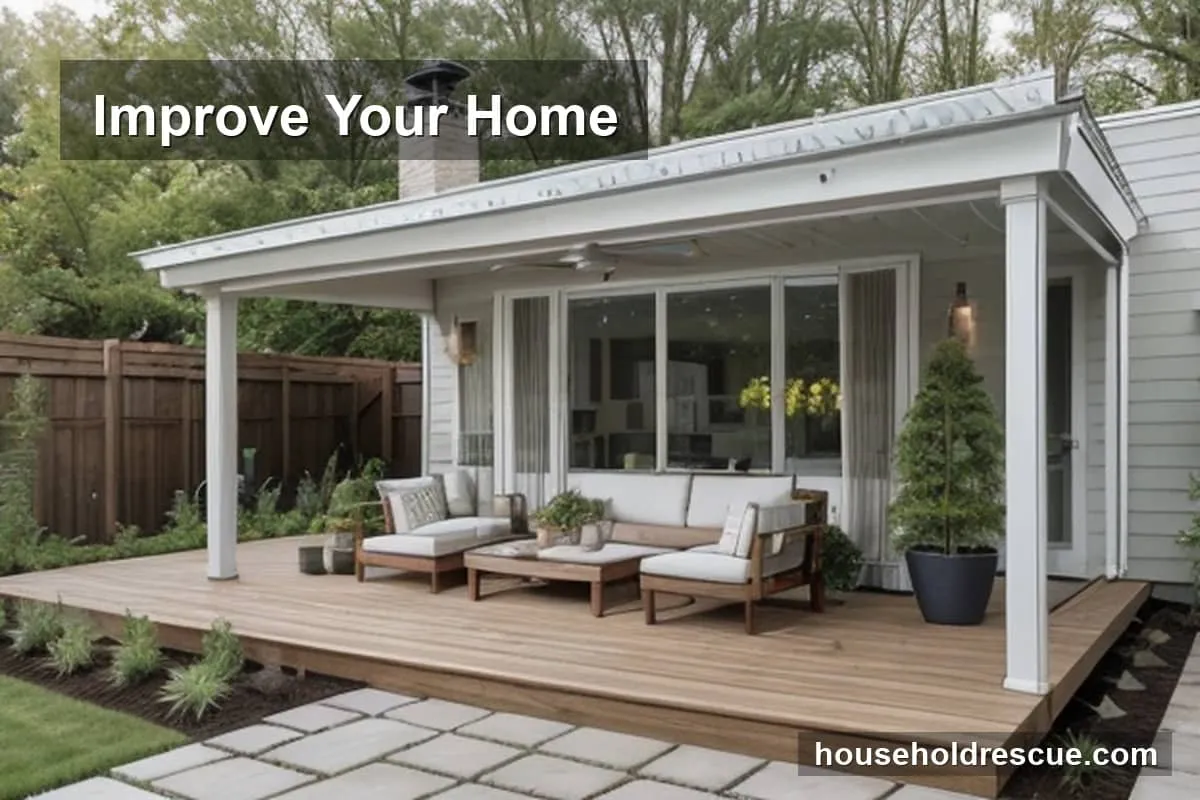
Open-concept design is the backbone of modern outdoor living. It's not just about knocking down a wall; it's about creating visual continuity. You can achieve this by extending your interior flooring onto the deck or patio. For instance, if you have hardwood floors inside, consider using composite decking that mimics that same grain and tone outside.
Large sliding glass doors or folding glass walls are game-changers for this look. They allow natural light to flood in during the day and make your indoor space feel larger. When you want to close off the area, retractable awnings provide shade without the visual bulk of a permanent roof.
To truly enhance your outdoor living space, consider reading our guide on how to create a stylish outdoor living space that enhances your home. It covers how to select furniture and layouts that maximize comfort while maintaining a cohesive design language throughout the property.
2. Statement Lighting Fixtures
Lighting is the single most effective way to change the mood of an outdoor area. Gone are the days of harsh, overhead floodlights that wash out the atmosphere. Today, we are seeing a shift toward architectural lighting that adds drama and warmth.
Suspended pendant lights over dining tables create an intimate restaurant vibe. Linear LED strips hidden under railings or along steps provide safety without being obtrusive. Solar-powered options have also improved significantly; you can now find high-quality solar path lights with warm white tones that look just as good as wired fixtures.
Don't forget the ambiance of string lights. They are timeless for a reason. Hanging them in a zig-zag pattern over a seating area or draping them across a pergola can instantly make a space feel cozy and inviting, especially in the evening.
3. Textured Flooring for Visual Interest
Flat, uniform surfaces are functional, but texture adds character. From textured concrete to terracotta tiles, the choice of flooring sets the tone for the entire patio.
If you want a modern, industrial look, polished or stained concrete is an excellent choice. It's durable, easy to clean, and can be customized with dyes for added flair. For a warmer, more organic feel, natural stone like limestone or slate offers a timeless elegance that ages beautifully.
Consider using raised garden beds with decorative stone borders to create a cohesive look between your deck and landscaping. This brings the greenery of your garden right up to your feet, blurring the line between hardscape and softscape.
Smart Technology Integration
Did You Know? Integrating smart technology into your outdoor space can significantly reduce maintenance time while enhancing comfort and security, making your backyard more functional year-round.
1. Automated Irrigation Systems
Keeping a garden lush without spending hours with a hose is possible thanks to smart irrigation. These systems use weather sensors to adjust watering schedules based on real-time conditions like rainfall and humidity.
For larger properties, defining functional zones is crucial. If you have a sprawling yard, understanding how to structure it can prevent wasted water and space. Check out our practical guide on designing functional zones in a large backyard to learn how to segment your outdoor area for maximum efficiency.
Pairing these systems with seasonal maintenance routines ensures optimal performance year-round, preventing the common issue of overwatering or underwatering your plants.
2. Smart Outdoor Speakers
Wireless Bluetooth speakers have revolutionized outdoor entertainment. You can control music directly from your phone, creating an immersive atmosphere for gatherings without the clutter of wires.
When selecting speakers, look for models with high waterproof ratings (IPX7 or higher) to ensure they survive rain and humidity. Some modern systems even integrate with smart home hubs, allowing you to play music throughout your entire property with a voice command.
3. Solar-Powered Lighting and Charging Stations
Sustainability is a major driver in modern design. Integrating solar panels into your deck design—whether as part of a pergola roof or integrated into the railing posts—can power lights, phone chargers, and even small appliances.
This not only reduces energy costs but also aligns with current sustainability goals. It's a practical way to keep your outdoor tech running without worrying about external outlets or unsightly extension cords.
Eco-Friendly Materials for Long-Lasting Patios and Decks
Warning: Avoid pressure-treated wood if you have children or pets, as older treatments may contain harmful chemicals. Opt for non-toxic alternatives like composite decking or sustainably sourced hardwood to ensure safety.
1. Recycled Composite Decking
Composite materials made from recycled plastics and wood fibers are gaining massive popularity. They resist rot, insects, and fading, requiring minimal maintenance compared to traditional wood.
While the upfront cost is higher, the long-term savings on staining, sealing, and repairs often make it the more economical choice over a decade. Plus, you aren't contributing to deforestation by choosing these materials.
2. Natural Stone and Concrete
For patios, natural stone like limestone or slate offers a timeless look that complements almost any architectural style. Polished concrete is another excellent choice, as it's easy to clean and can be customized with stains or dyes for added flair.
3. Living Walls and Green Roofs
Incorporating vertical gardens or green roofs improves air quality and insulation. They act as natural insulators, keeping your home cooler in the summer and warmer in the winter.
To make this work effectively, use lightweight potting mixes designed for small spaces to keep your plants thriving without overwhelming your structure. This ensures that your living walls don't add excessive weight to your deck or roof.
Functional Layouts for Maximum Use
A well-designed patio or deck should balance aesthetics with practicality. A space that looks great but is impossible to use isn't a success. Here's how to create a layout that works for your lifestyle.
1. Zoning Your Outdoor Space
If you have a large area, try dividing it into distinct zones. This makes the space feel more organized and purposeful.
- Entertainment Zone: Include a built-in outdoor kitchen, fire pit, or seating area for hosting guests. This is where the action happens.
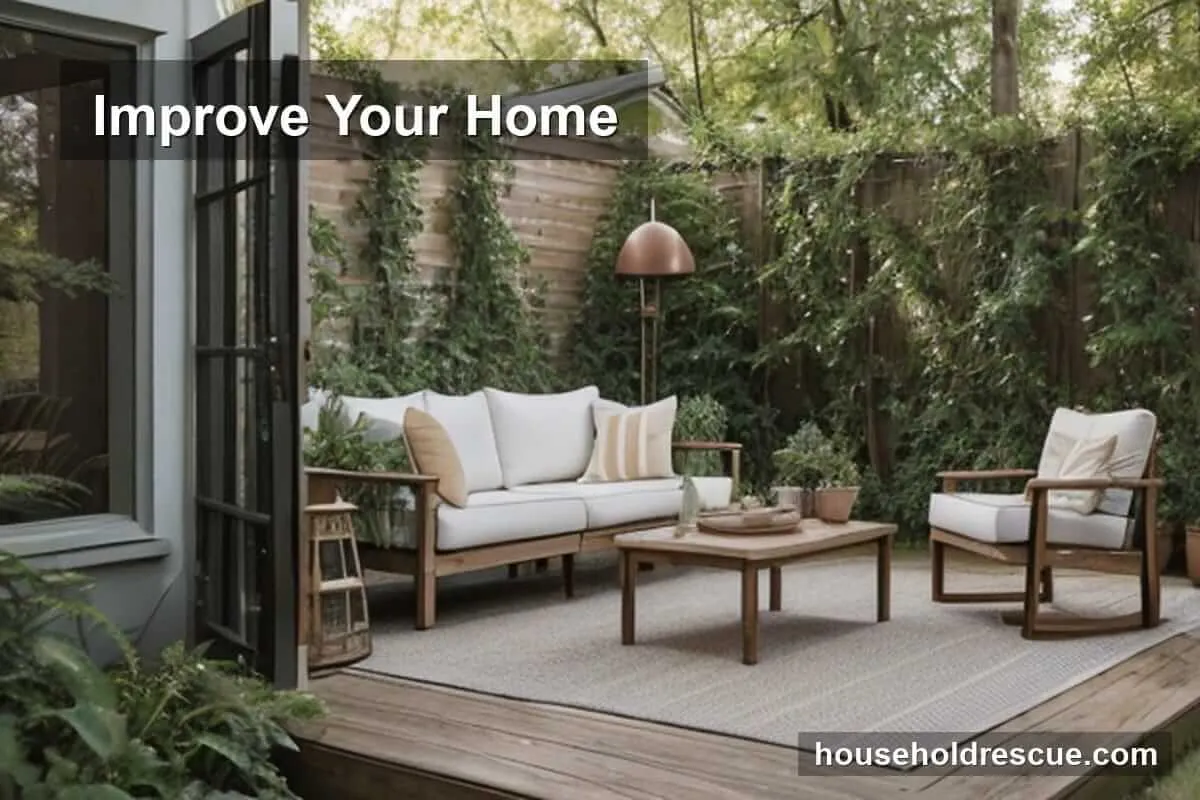
- Relaxation Zone: Add lounge chairs, a hammock, or a cozy nook with soft cushions. This is your quiet retreat for reading or napping.
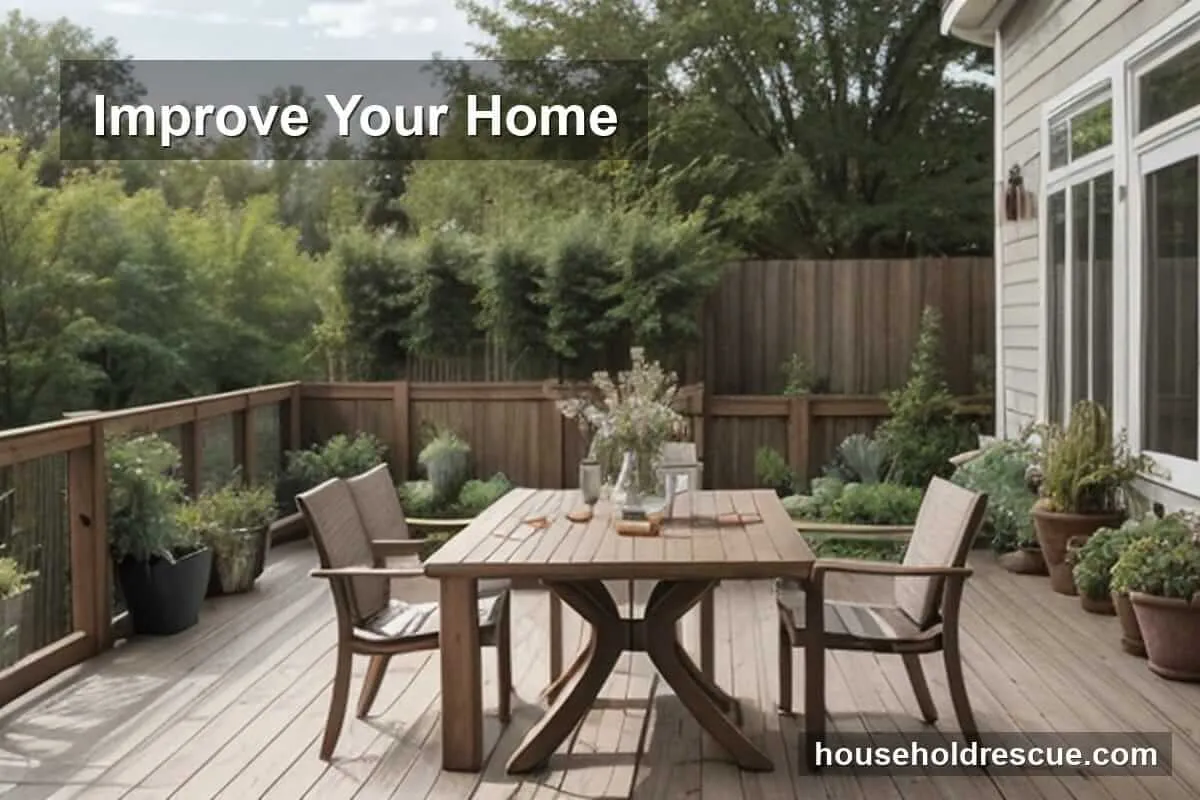
- Dining Zone: Install an extendable table and chairs for family meals or casual dining. Make sure there's enough clearance around the table for people to move freely.
2. Incorporating Smart Storage Solutions
Clutter kills the aesthetic of any outdoor space. Use built-in cabinets, under-deck storage, or modular storage systems to keep outdoor tools, gardening supplies, and patio furniture neatly tucked away.
If you have limited indoor space, you might also need to look at how to maximize your home's utility elsewhere. For instance, learning smart ways to optimize small home laundry space can free up room for other activities, just as smart outdoor storage frees up your patio.
Seasonal Maintenance Tips for Longevity
Pro Tip: Perform a thorough inspection of your deck's structure and fasteners every spring to catch issues early before they become costly repairs.
1. Regular Cleaning and Mold Prevention
Mold and mildew are the enemies of outdoor wood and composite materials. Wipe down surfaces weekly with a mild detergent and water to prevent buildup.
For persistent mold, use eco-friendly mold removers to protect your family's health and the environment. If you notice any signs of fungal growth, act quickly to prevent it from spreading to other parts of your home or garden.
2. Checking Electrical Systems
If your patio has outdoor lighting, power outlets, or heating elements, inspect electrical wiring annually to prevent hazards like short circuits or electrical fires.
While you can do a visual check yourself, knowing when to call in the experts is vital. Understanding how professional plumbing elevates your bathroom remodel teaches us that specialized skills are often needed for complex systems; similarly, electrical work on decks should be handled by qualified professionals if you aren't confident.
3. Winterizing Your Outdoor Space
Before winter sets in, drain water from irrigation systems to prevent pipes from bursting. Cover furniture with weatherproof materials and apply a protective sealant to wood decks to prevent cracking and warping.
If you have any gaps or cracks in your doors and windows that might let cold air in, addressing these issues is crucial for energy efficiency. You can learn more about this by reading our guide on how to repair doors and windows for energy efficiency.
FAQ: Answering Your Most Common Questions
Q1: What's the most cost-effective material for a patio today?
A: Recycled composite decking offers excellent value, combining durability with low maintenance costs over time. While the initial investment is higher than basic wood, you save money on staining and replacing boards in the long run.
Q2: How can I make my deck more energy-efficient?
A: Install solar-powered lighting to reduce electricity usage, use insulated glass for enclosed spaces, and choose materials with high thermal resistance. These steps help regulate temperature and lower your utility bills.
Q3: Are smart outdoor systems worth the investment?
A: Yes, especially if you prioritize convenience, security, and sustainability. Systems like automated irrigation and solar-powered lighting pay for themselves over time by reducing waste and energy consumption.
Q4: What trends are dominating patio design today?
A: Mixed-material designs, integrated smart technology, and eco-friendly materials are leading the way. Expect to see more use of natural stone, recycled composites, and solar-powered features in modern homes.
Q5: How do I maintain a green roof on my deck?
A: Use lightweight potting mixes designed for vertical gardens, and ensure proper drainage to prevent water damage. Regular pruning and checking for pests are also essential to keep the plants healthy.
Q6: Can I add a fire pit to my deck safely?
A: Yes, but install it on a non-combustible surface and keep it at least 10 feet away from structures. Always follow local fire safety regulations and never leave a fire unattended.
Additional Tip: If you notice any pests, like ants or termites, addressing them quickly is key to preventing structural damage. Learn how to eradicate an entire ant colony at the source to protect your home's integrity.
Final Recommendations for a Chic Outdoor Space
Creating the best patio and deck ideas for chic homes requires a balance of style, functionality, and sustainability. Start by defining your needs—whether it's a space for entertaining, relaxing, or gardening—and choose materials and technologies that align with your goals.
Don't forget to incorporate seasonal maintenance routines to keep your outdoor area looking its best year-round. With thoughtful planning and modern design elements, your patio or deck can become the heart of your home for years to come.
If you are looking for ways to get more organized, perhaps in your entryway or laundry room, checking out tips on how to organize your entryway shoes or organizing laundry products can help you streamline your home, leaving more energy for enjoying your new outdoor oasis.
This article provides general information and practical tips for home improvement. For complex structural changes, electrical work, or safety-critical repairs, always consult a qualified professional or local building authority to ensure compliance with safety standards.