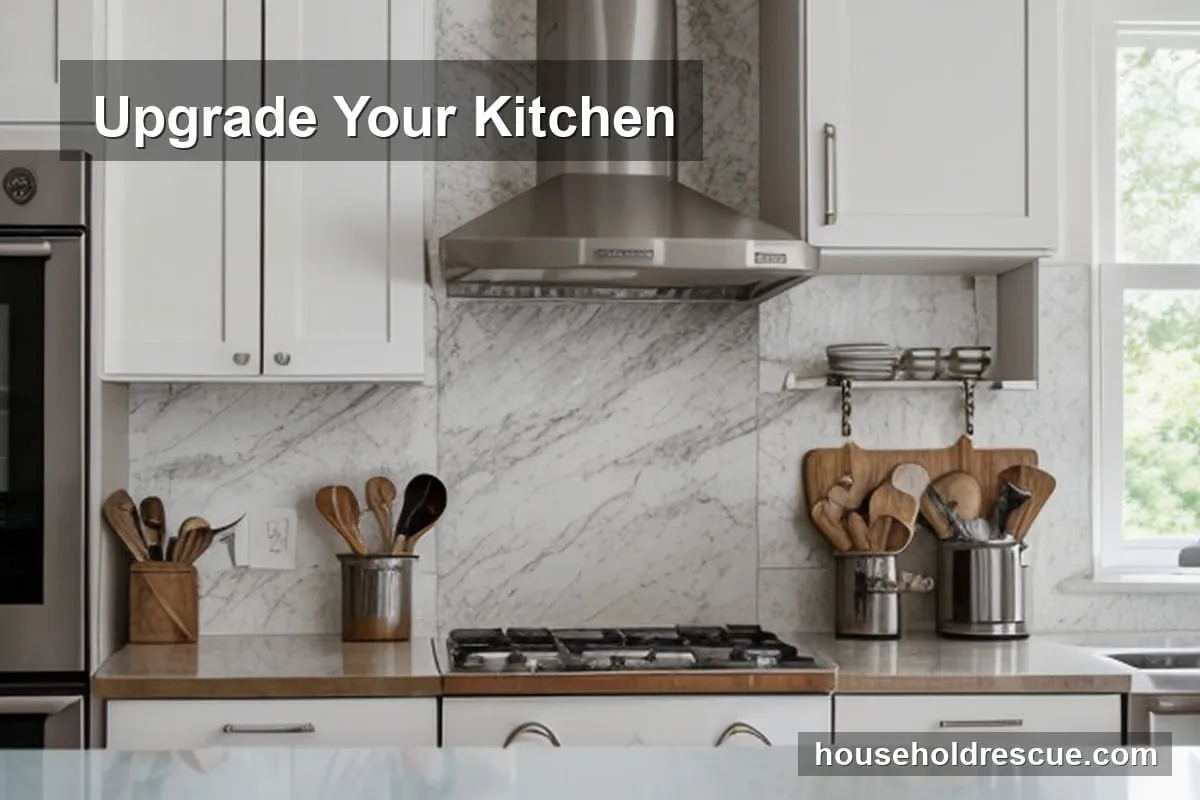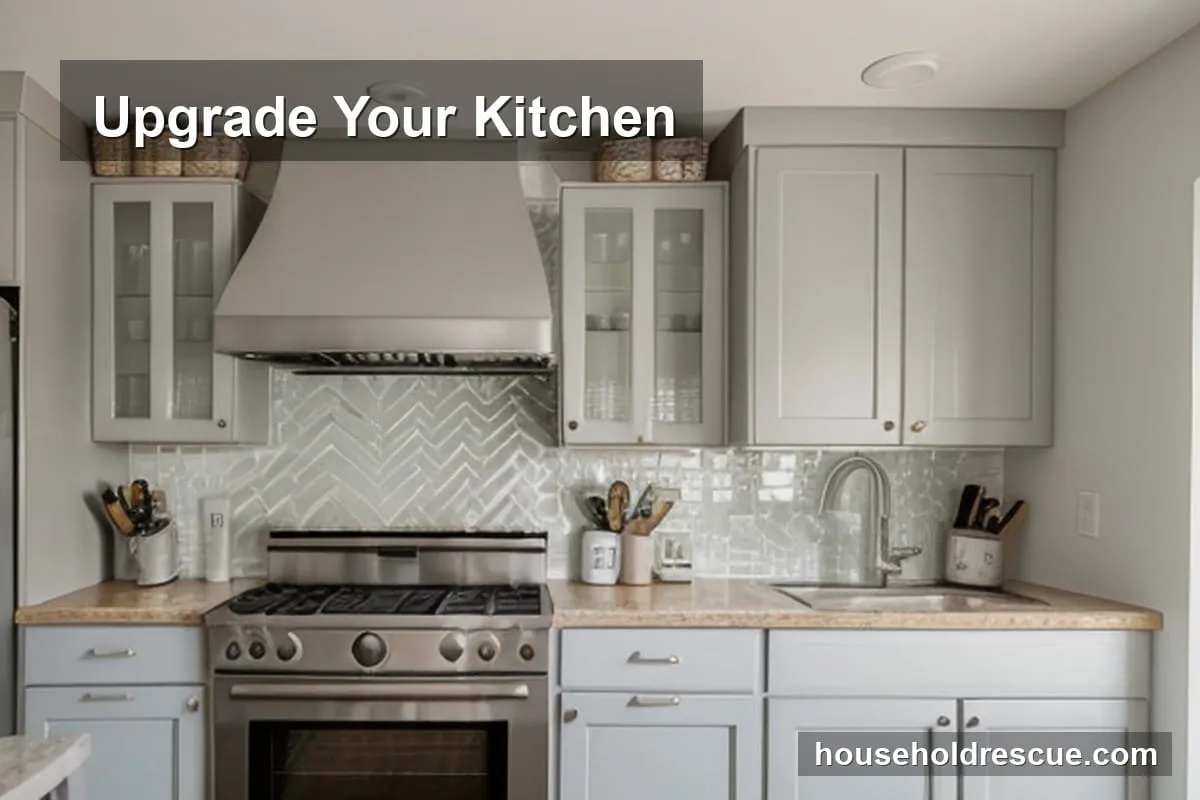
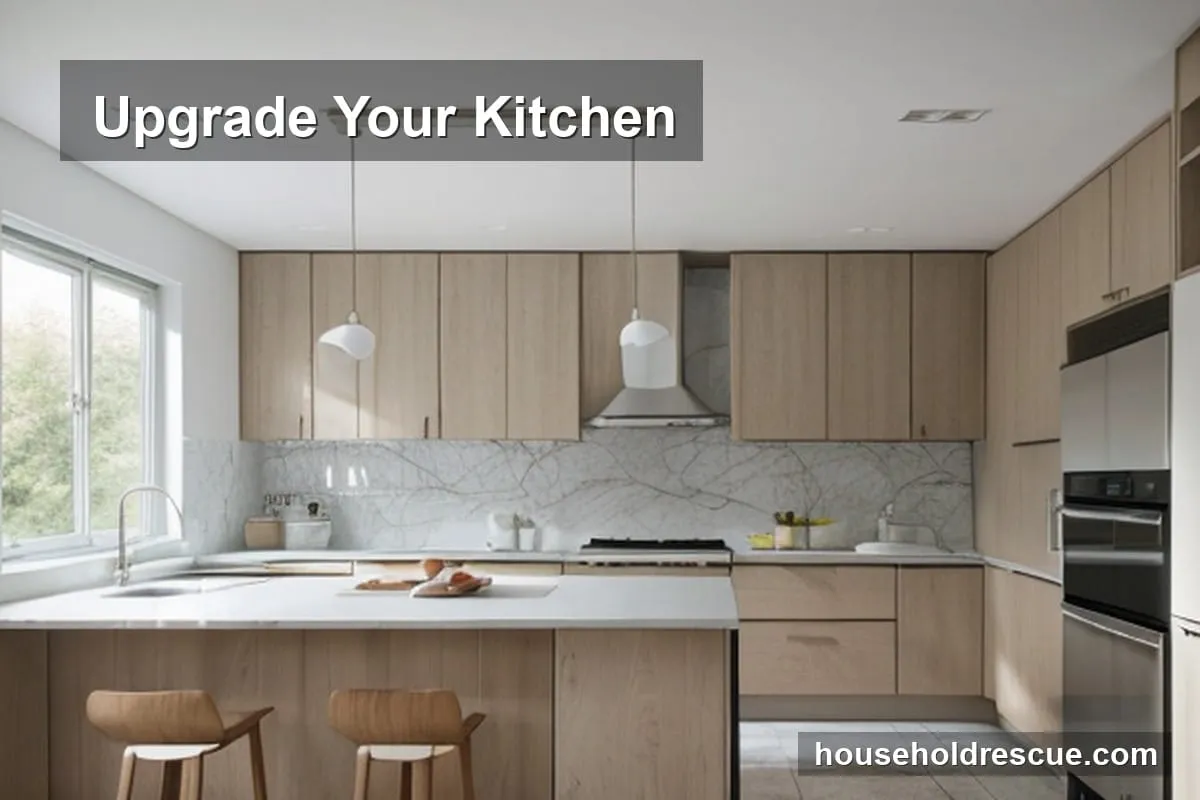
Kitchens have changed. They aren't just rooms for boiling pasta anymore; they've become the command center of daily life. I remember walking into a friend's kitchen last year where she was prepping dinner while simultaneously managing her kids' homework on a laptop at the island. That scene isn't unique—it's the new normal. If you're looking to update your space, you need more than just a fresh coat of paint. You need a design that balances high-tech convenience with genuine usability.
Key Takeaways
- Smart appliances and voice control are increasingly standard, offering both greater safety and improved efficiency.
- Eco-friendly options such as bamboo and recycled glass lower environmental impact while maintaining a stylish aesthetic.
- Integrated islands now function as versatile hubs that combine social spaces, dedicated work areas, and ample storage in one seamless unit.
- This minimalist Bauhaus approach prioritizes clean lines and concealed storage to cultivate a serene environment.
- Smart storage solutions are essential for maximizing space in smaller urban kitchens.
1. Smart Kitchen Technology: Beyond the Hype
We've moved past the novelty of smart fridges that simply photograph our groceries. Today's kitchen technology focuses on true integration and practical value. Modern appliances now exchange data to optimize power consumption and streamline every stage of meal preparation.
For instance, modern voice-activated ovens allow you to preheat or set temperatures without touching a button—handy when your hands are covered in flour or raw chicken. Touchless faucets aren't just about hygiene; they prevent cross-contamination during messy prep work and save water by automatically shutting off.
The integration goes deeper than just appliances. Imagine a lighting system that dims automatically as you prepare for an evening meal, or a refrigerator that alerts you when milk is running low and suggests recipes based on what's actually inside. These aren't sci-fi concepts; they are available now.
Taming smart kitchen tech without the clutter
The biggest challenge with smart tech is keeping it from looking like a laboratory. The goal is invisibility. Use wireless charging pads built into countertops to keep phones powered without cable clutter. When selecting devices, look for those that blend seamlessly with your cabinetry or have sleek, matte finishes that match modern fixtures.
For compact kitchens where every square inch matters, consult our guide on smart ways to optimize small home laundry space. Core strategies for maximizing utility in confined areas translate effectively to modern kitchen design as well.
2. Choosing Sustainable and Eco-Friendly Materials
Sustainability is no longer a niche preference; it's a baseline expectation for modern renovations. Homeowners are increasingly conscious of the carbon footprint of their builds, leading to a surge in demand for materials that are both durable and environmentally responsible.
Bamboo cabinetry has gained massive traction due to its rapid growth rate and hardness comparable to oak. Recycled glass countertops deliver a stunning, unique aesthetic while diverting waste from landfills. Even the paints we use are evolving—Low-VOC (Volatile Organic Compounds) options are now standard for new builds to ensure better indoor air quality.
Why Go Green?
- Health Benefits: Lowers your exposure to toxic chemicals found in conventional paints and finishes.
- Longevity: Sustainable options such as reclaimed wood and quartz are engineered to endure for decades.
- Resale Value: Energy-efficient improvements frequently boost a property's marketability.
Consider reclaimed wood for flooring or open shelving. It brings character and history that new lumber simply can't replicate. For countertops, opt for quartz crafted from recycled materials; it offers granite-like durability at a lower environmental cost. These selections don't just look good—they reflect a lifestyle rooted in stewardship.
To bring that same eco-conscious approach outdoors, explore our guide on natural mold removal: eco-friendly methods to eliminate safely. It provides practical strategies for preserving your home's health through non-toxic solutions.
3. Open-Concept Layouts with Integrated Islands
The open-concept kitchen remains the dominant layout, but the definition of the "island" has evolved. It's no longer just a place to chop vegetables. Today's islands are multifunctional command centers designed for social interaction and efficiency.
We are seeing islands with built-in seating that act as breakfast bars, integrated wine fridges, and even secondary sinks for dishwashing while others cook. This setup transforms the kitchen into the social hub of the house, allowing the host to engage with guests without turning their back on the conversation.
For those with tighter footprints, retractable or foldable islands are a brilliant solution. When not in use for prep work, they can be tucked away to open up the floor plan, maintaining that airy, spacious feel essential to the modern aesthetic.
4. A Distinctive Blend of Minimalism and Bauhaus Principles
The Bauhaus movement, which championed "form follows function," is experiencing a significant resurgence. This aesthetic discards unnecessary ornamentation to prioritize clean lines, geometric shapes, and utility. The result is a sense of calm that we desperately need in our chaotic world.
Think seamless countertops with no visible seams, hidden storage solutions that eliminate visual clutter, and hardware that is sleek or non-existent. The color palette usually leans towards neutrals—whites, grays, blacks, and natural wood tones—allowing the materials themselves to provide the visual interest.
How to Achieve a Bauhaus Kitchen:
- Color Scheme: Opt for a monochromatic or neutral base, reserving bold hues strictly for small accents such as backsplash tiles or bar stools.
- Storage: Focus on integrated cabinetry to maximize space efficiency. Ensure every object has a specific place, allowing surfaces to remain clear and uncluttered during daily use.
- Hardware: Select sleek, minimalist fixtures. Skip ornate handles in favor of push-to-open mechanisms or clean bar pulls.
This aesthetic pairs perfectly with modern technology, as both value efficiency and clarity. If you enjoy this functional approach to design, consider our guide on farmhouse outdoor furniture: rustic elegance essentials, which explores how blending styles can create unique, functional spaces for a smart kitchen or open concept layout.
5. Multifunctional Spaces and Smart Storage
As urban living spaces continue to shrink, the kitchen must do more with less. The era of the "big box" kitchen is fading in favor of highly efficient, adaptable designs. We are seeing a rise in pull-out pantries that slide out like drawers, rotating corner shelves (lazy Susans) that make deep cabinets accessible, and hidden compartments that keep counters clear.
Countertops themselves are becoming more versatile. Some feature retractable sections that can be used as extra workspace or fold-down tables for dining. This flexibility is crucial for families who need to multitask in a single room.
For families with limited square footage, a dedicated breakfast nook or a fold-out table can turn a kitchen corner into a flexible zone for meals, homework, or remote work. This aesthetic aligns with the smart kitchen principles found throughout openconcept layouts. If space is tight elsewhere in the home, our guide on effortless outdoor storage for small backyards: maximize space and style offers similar strategies for maximizing utility in compact areas.
Common Mistakes to Avoid
Staying on-trend is exciting, but it's easy to get carried away. A few common pitfalls can turn a dream renovation into a costly mistake.
- Avoiding overcomplexity: Simplicity frequently delivers better results. Cramping a space full of gadgets and decorations risks creating chaos instead of a polished, intentional design.
- Overlooking layered lighting: Relying on a single overhead fixture usually falls short. Effective design blends task lighting for food preparation, ambient illumination for atmosphere, and accent lights that draw attention to details like a decorative backsplash.
- Underestimating storage needs: A cluttered kitchen negates the benefits of modern design. Plan your storage solutions carefully before you start demolition.
Frequently Asked Questions (FAQ)
What are the most budget-friendly kitchen remodeling trends currently?
A high-end aesthetic is achievable through cabinet refinishing, swapping to modern hardware, and introducing open shelving rather than a full gut renovation. Such updates breathe new visual life into the kitchen at a fraction of the cost associated with replacing major fixtures.
What are some affordable ways to upgrade my kitchen with modern tech?
Start with small, affordable upgrades like smart light bulbs or motion-sensor faucet attachments. A budget-friendly smart speaker can also control your lighting and play music, adding a layer of automation without the high cost of new appliances.
Are eco-friendly materials actually pricier than their conventional counterparts?
While certain eco-friendly options—such as reclaimed wood or engineered recycled glass—may demand a steeper upfront price, they frequently deliver superior value through enhanced durability and thermal performance. Over time, reduced maintenance needs and lower energy consumption often neutralize that initial expense.
What's the best way to maximize small kitchen space?
Focus on vertical storage, foldable furniture, and multifunctional appliances. A pull-out pantry or a retractable table can transform a cramped area into a functional workspace without sacrificing floor space.
What defines an ideal color scheme for a Bauhaus-style kitchen?
Stick to neutral tones like white, gray, and beige as your base. Introduce visual interest via accessories or backsplash tiles with splashes of color while maintaining a clean, uncluttered aesthetic.
What safety considerations should I keep in mind during a kitchen remodel?
Safety is paramount during a remodel. Ensure you have proper task lighting to prevent cuts and slips, use non-slip flooring materials, and design storage so heavy items are easily accessible. For more detailed advice, read our guide on essential kitchen safety tips to prevent common accidents.
Conclusion: A Kitchen Designed to Work for You
The future of kitchen design isn't just about looking good; it's about feeling good. It's about a space that adapts to your life, whether you're hosting a dinner party or cooking a quick weeknight meal alone. By blending smart technology with sustainable materials and thoughtful storage, you create an environment that supports your daily routine.
Whether you are starting with a small update like new hardware or planning a full renovation, the goal remains the same: a kitchen that is as functional as it is beautiful. Don't be afraid to mix styles or prioritize what matters most to you. After all, a home is where your life happens, and the kitchen is where that story begins.
Note: The following guidance covers general kitchen design trends and safety practices. For any structural alterations, electrical installations, or plumbing changes, please consult a licensed professional to ensure full compliance with local building codes and safety standards.