

How to Clean Office Furniture and Keep Your Workspace Professional
Many people wipe office furniture with wet cloths or harsh chemicals that warp wood grain and crack leather finishes. You should switch to dry microfiber for daily dusting and use specific conditioners like lemon oil or mild soap solutions for deep cleaning based on the material. This routine removes hidden allergens and prevents permanent surface damage while keeping your workspace looking professional.

Beginner's Guide to Flawless Wall Cleaning: Expert Tips for a Spotless Home
Dirty walls collect dust mites, pollen, and grease that trigger allergies or encourage mold growth, but you can safely remove these grime buildup issues by starting with a microfiber cloth to dust first before applying a mild soap and water solution. This gentle step-by-step approach prevents paint damage while refreshing the indoor air quality for a healthier home.

Simple Roof and Gutter Care for Green Homes
Many homeowners assume gutters only protect foundations, yet clogged systems can turn insulation into a thermal sponge that spikes heating bills by 20%. You can fix this energy drain and prevent soil erosion by regularly clearing debris and using biodegradable cleaners like vinegar instead of harsh chemicals.

Table Runners and Placemats: Elevating Your Dining Room Style
Many people treat table runners as purely decorative afterthoughts, but they actually protect wood surfaces from heat rings and scratches while adding essential texture. You can achieve a curated look by choosing natural fibers like linen for elegance or synthetic blends for daily durability, ensuring your runner hangs six to twelve inches over the edge.

Simple Ways to Eliminate Hard Water Stains at Home
Mineral deposits of calcium and magnesium carbonate create stubborn white rings that soap cannot remove. You can dissolve these alkaline residues safely by saturating toilet paper with vinegar to hold the acid against vertical shower glass for an hour before gently scrubbing.

Simple Ways to Clean Bathtubs and Eliminate Tough Stains Effortlessly
Cleaning a bathtub effectively requires matching the right chemical to the specific stain type you are fighting. Using vinegar to dissolve white hard water rings or baking soda to lift waxy soap scum ensures you remove grime without damaging surfaces or creating toxic fumes.

DIY or Professional? How Homeowners Choose Inspection Checklists
Homeowners often use checklists to decide between DIY safety checks and hiring pros for complex issues like electrical faults. While tasks such as replacing HVAC filters or clearing gutters suit routine self-inspections, hidden dangers behind drywall require licensed experts with specialized tools to prevent costly damage.
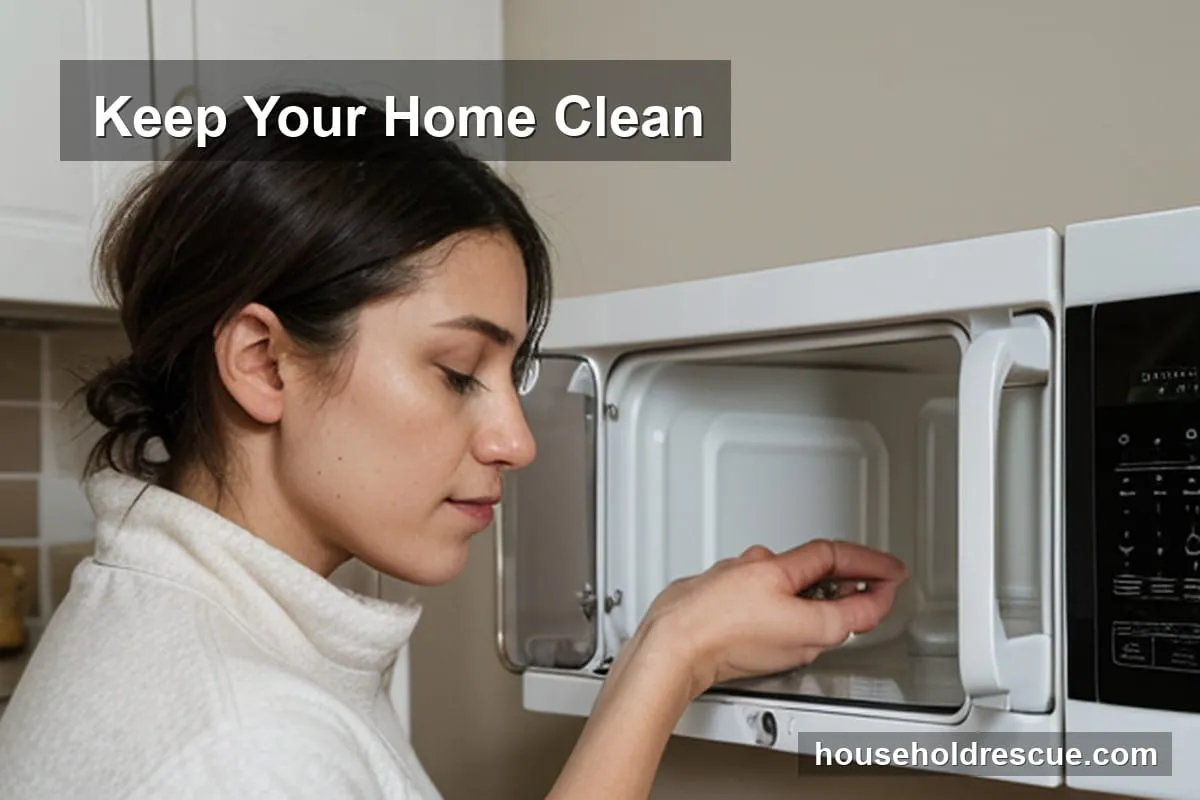
Simple Ways to Keep Your Microwave Sparkling and Fresh
Many people ignore the rubber gasket, yet this seal traps odors and bacteria more than the interior walls do. You should clean that specific area weekly along with a quick 30-second wipe-down after every use to prevent food from hardening into stubborn stains.

Budget-Friendly Backsplash Ideas for a Stylish Kitchen
Peel-and-stick tiles cost just one to five dollars per square foot, offering a renter-friendly way to upgrade dull drywall without hiring a contractor. These self-adhesive squares let you mimic the look of stone or glass while protecting walls from grease splatters that would otherwise soak into untreated surfaces.

Modern Home Plumbing Repairs: Expert Tips and Techniques
Modern plumbing relies on flexible PEX tubing and smart leak detectors to prevent catastrophic water damage before it starts. You can often fix minor issues like a running toilet by replacing a worn-out flapper valve, a process that usually costs around ten dollars and takes five minutes.
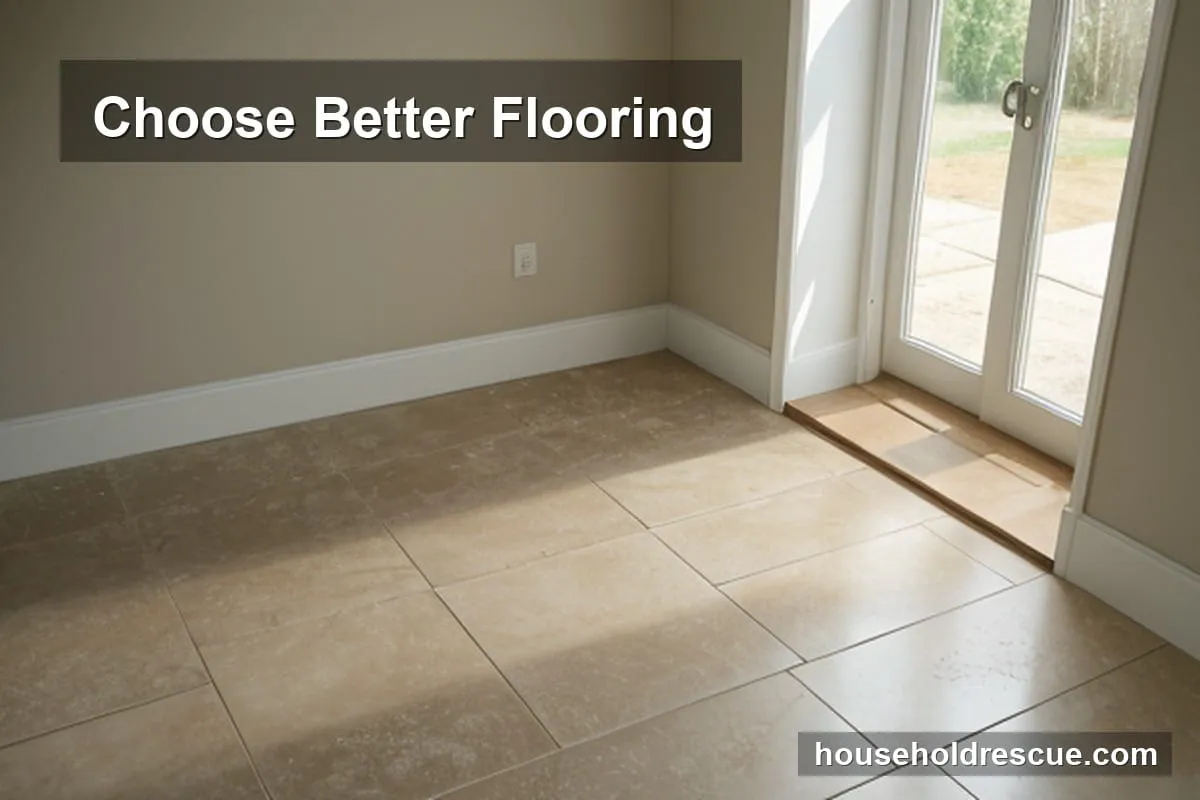
Easy Flooring Repairs That Save You Money: DIY Fixes for Common Issues
Small flooring problems like winter gaps between hardwood boards or loose tiles often signal environmental shifts rather than structural failure. You can solve these by first checking indoor humidity levels and then using specialized wood filler paste to seal cracks before sanding them flush for a lasting fix.

How to Protect Your Water Heater This Winter: Essential Tips
Surprisingly, thermal shock from rapid cold water entry causes more long-term tank damage than freezing alone, so start by wrapping your heater and pipes before temperatures drop. You should also flush out sediment and lower the thermostat to 120°F to prevent corrosion and save energy during the coldest months.