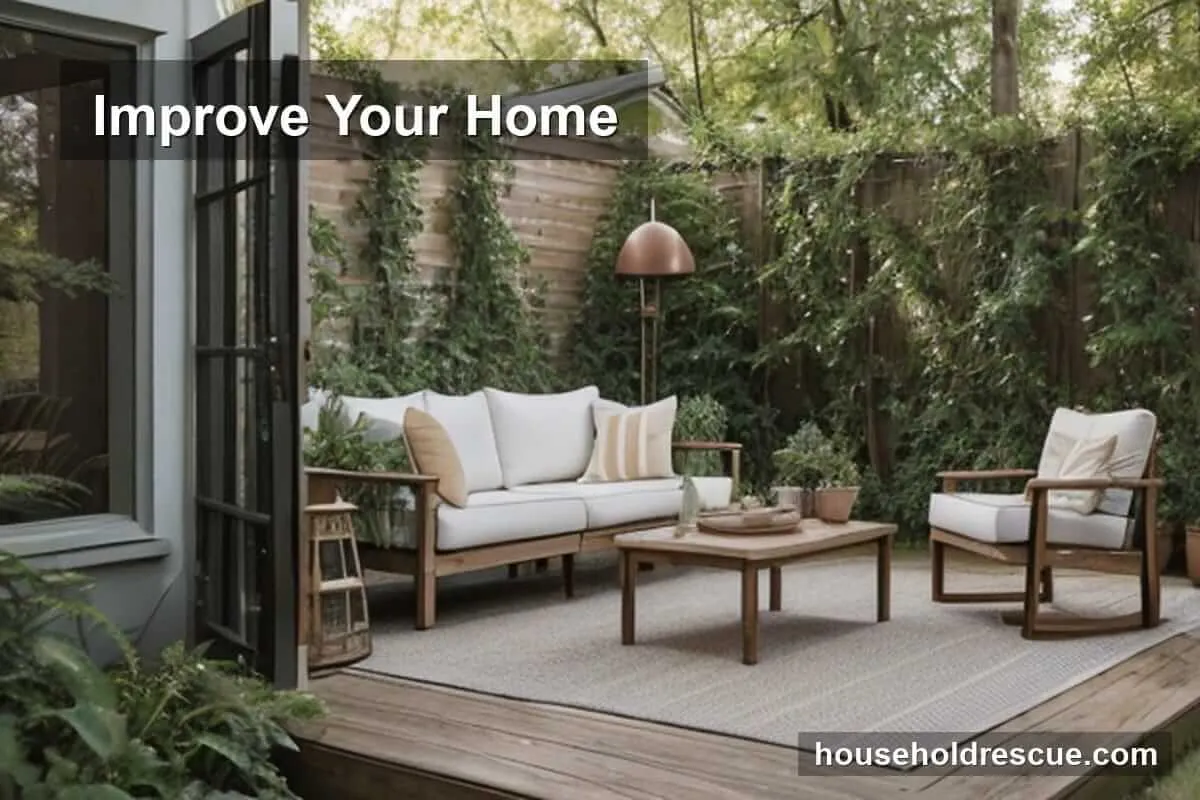
Why Your Outdoor Dining Set Actually Matters
You know that feeling when you finally get outside after a long week? It's not just about eating; it's about reclaiming your space. A dining set isn't merely furniture; it's the anchor of your outdoor living area. If you pick wrong, you end up with a cluttered mess or something that looks great for one season before warping in the sun. But get it right, and suddenly your patio becomes an extension of your home where people actually linger.
I've seen homeowners struggle to find balance between style and utility, often buying sets that look stunning in photos but fail miserably in real-world weather conditions. The market is flooded with options, from budget-friendly resin to high-end teak, but the "perfect" set depends entirely on your specific square footage and lifestyle needs. Whether you're squeezing a meal onto a 10x10 balcony or hosting a crowd on a sprawling deck, the right choice transforms the experience.
Key Takeaways
- Measure First: Always leave at least 30 inches of clearance around your table for comfortable movement.
- Material Matters: Aluminum and resin wicker offer the best durability-to-weight ratio for varying climates.
- Space Hacks: Foldable and modular furniture are essential for maximizing tiny patios without sacrificing dining space.
- Maintenance is Key: Regular cleaning and proper storage can extend the life of your furniture by years.
Space-Saving Designs for Tiny Patios
Let's face it: not everyone has a sprawling backyard. Many of us are working with compact patios, small balconies, or narrow side yards where every square foot counts. In these scenarios, bulky dining sets are a non-starter. You need furniture that does double duty—providing a surface for your morning coffee and then disappearing when you need room to move.
1. The Art of Folding and Stacking
Foldable tables and chairs might sound utilitarian, but modern designs have come a long way. You can find sleek aluminum bistro sets that fold flat against a wall or stack neatly under a bench. For tiny spaces, the geometry of stacking is your best friend. A set of four chairs that stacks into a single column frees up nearly 75% of your floor space when not in use.
Pro Tip: Think about flow and storage just like you would if you were trying to find smart ways to organize your small living room space. If a chair doesn't fit when stacked, it's too big for the job.
2. Wall-Mounted Solutions
Wall-mounted tables are an underrated gem for micro-patios. They attach directly to a railing or a sturdy wall, folding down when you need to eat and flipping up flush against the surface when you don't. This eliminates the legroom issue entirely. It's a game-changer if you have limited floor space but want a dedicated dining spot.
3. Extending Your Space with Visual Tricks
Sometimes, the trick isn't just about shrinking the furniture but making the space feel larger. Strategic placement of mirrors can create an illusion of depth, doubling the perceived size of a small patio. If you're looking to expand your living area visually, check out our guide on how to use mirrors to brighten and expand your space for more details on this technique.
Maximizing Comfort on Large Decks
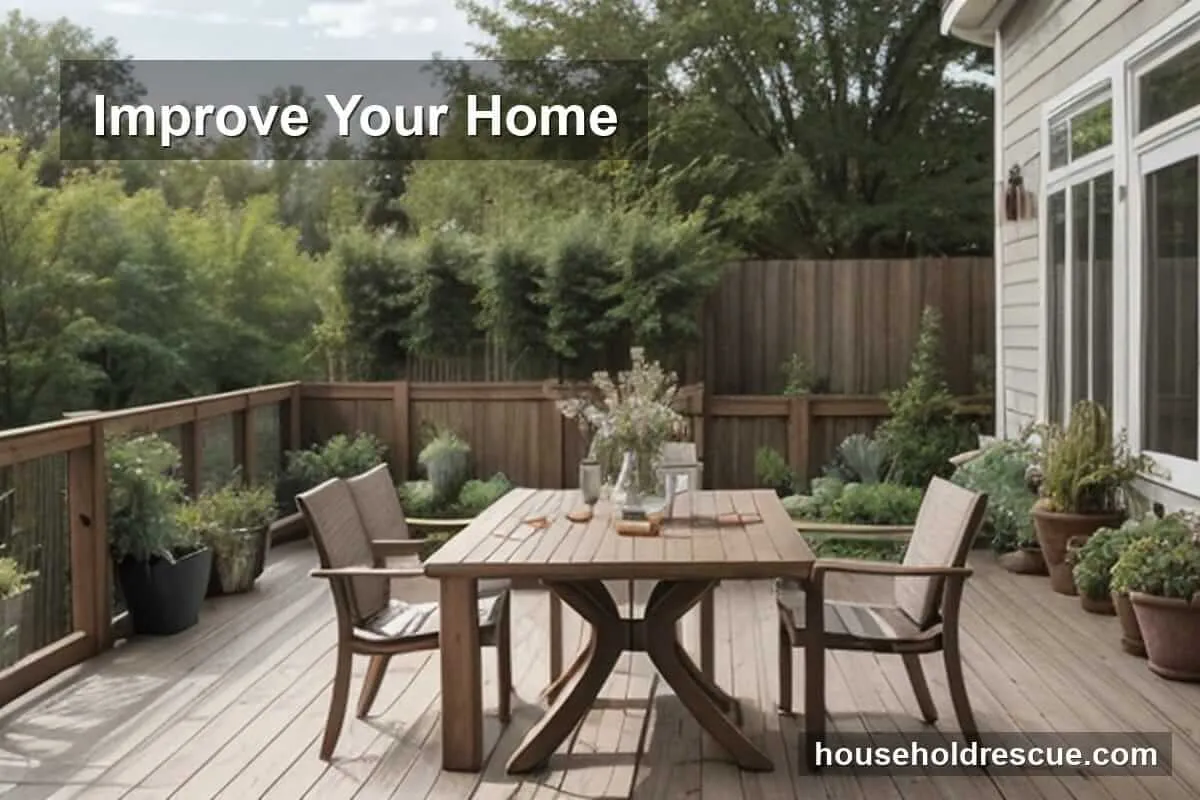
On the flip side, if you have a spacious deck, you don't need to worry about saving floor space. Instead, your focus shifts to comfort, capacity, and creating a cohesive zone. A large deck is an opportunity to host, relax, and entertain without feeling cramped.
1. Sectional Dining Sets
For expansive areas, sectional dining sets offer unmatched versatility. Unlike fixed tables, these modular pieces can be rearranged to create conversation pits or long banquet-style seating. You can move the modules apart for a wide dining experience or push them together for a cozy group chat. This flexibility allows you to adapt your space based on whether you're hosting a dinner party or just enjoying a quiet evening.
2. Luxury and Ergonomics
Large spaces allow for heavier, more luxurious furniture. Think teak dining tables with thick, plush cushions or outdoor recliners that mimic the comfort of your indoor living room chairs. You have the room to incorporate larger side tables, serving stations, and even integrated lighting features. Don't be afraid to use a bigger footprint here; it makes the space feel intentional rather than empty.
3. Lighting and Ambiance
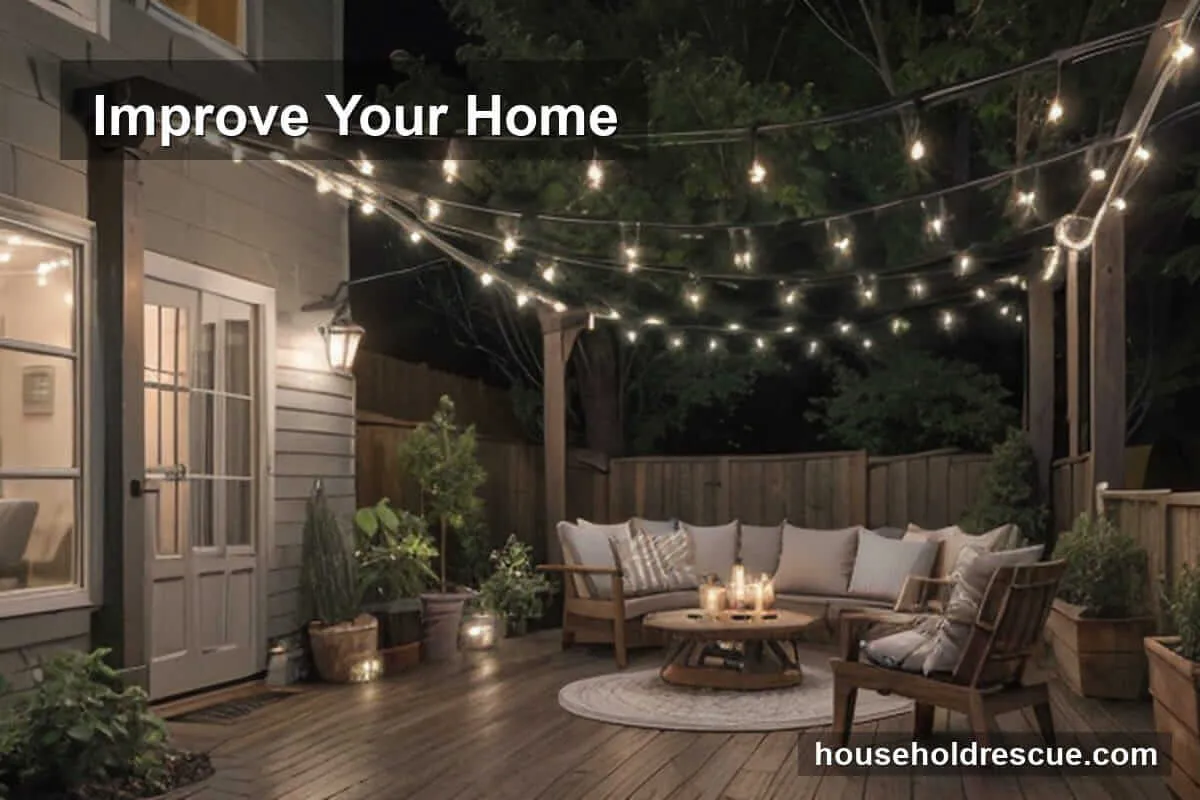
On a large deck, you can play with scale. Hanging pendant lights over the dining area or installing built-in LED strips along railings creates a warm, inviting glow that draws people in after sunset. This turns your dining set into a focal point rather than just a place to eat.
Materials That Stand the Test of Time
Selecting the right material is arguably the most critical decision you'll make. The wrong choice can lead to rust, rot, or fading within a single season. You need something that balances aesthetics with the ability to withstand sun, rain, and temperature fluctuations.
1. Teak: The Gold Standard
Teak is renowned for its natural oils, which make it highly resistant to rot, insects, and warping. It's expensive, yes, but it ages gracefully, turning a silvery gray if left untreated or maintaining a rich honey color if oiled annually. For a long-term investment that looks better with age, teak is hard to beat.
2. Aluminum: The Lightweight Workhorse
Aluminum frames are lightweight, rust-resistant, and incredibly durable. They are perfect for windy areas where heavy furniture might tip over. Powder-coated aluminum adds a layer of protection against chipping and fading. While it lacks the warmth of wood, modern finishes can mimic other textures effectively.
3. Resin Wicker: The Modern Favorite
Synthetic wicker (often called resin or poly-rattan) has largely replaced natural rattan for outdoor use. It's weather-resistant, easy to clean, and available in a wide variety of weaves and colors. Unlike natural materials, it won't mold or rot in humid climates. However, be mindful that lower-quality resin can crack under extreme UV exposure over time.
| Material | Best For | Maintenance Level |
|---|---|---|
| Teak | Luxury, long-term investment | Medium (annual oiling optional) |
| Aluminum | Windy areas, lightweight needs | Low (wipe down occasionally) |
| Resin Wicker | Humid climates, modern looks | Low (wash with soap and water) |
Warning: Avoid cheap, mass-produced sets with flimsy frames. These often warp or break within a season, leading to frustration and wasted money.
Weather Resistance and Maintenance
Outdoor furniture must withstand sun, rain, and temperature shifts. Look for sets with UV-resistant finishes, waterproof cushions, and rust-proof hardware. Today, many brands offer self-cleaning coatings or low-maintenance materials that reduce upkeep.
Cleaning Your Set
Maintenance is key to longevity. Regular cleaning prevents the buildup of dirt and grime that can degrade materials over time. For wood, a gentle scrub with mild soap and water followed by a protective oil treatment once a year keeps it looking fresh. For metal and wicker, a simple hose-down or wipe with a damp cloth is usually sufficient.
If you need to tackle tough stains on your outdoor cushions or surrounding surfaces, check out our tips on simple ways to clean bathtubs and eliminate tough stains effortlessly; the same principles of gentle abrasion and pH-balanced cleaners apply to outdoor furniture.
Styling Tips for a Cohesive Look
Your outdoor dining set should complement your home's exterior. Here's how to style it effectively:
- Match Colors: Use high-contrast color pairing—pair dark accents with crisp whites for a modern look. This creates visual interest without overwhelming the space.
- Add Textiles: Cushions, rugs, and throws in weather-resistant materials add warmth and texture. Don't forget to store them indoors during harsh weather.
- Incorporate Plants: Use air-purifying plants like snake plants or lavender to enhance your outdoor space's aesthetics and air quality. They soften the hard lines of furniture.
Budget Considerations
Outdoor dining sets range from budget-friendly to luxury options. Here's how to balance cost and quality:
- Entry-Level: Resin wicker or plastic sets under $500. Great for temporary use but may lack durability.
- Mid-Range: Aluminum or powder-coated steel sets ($500–$1,500). A good balance of price and longevity.
- Luxury: Teak or wrought iron sets ($1,500+). Ideal for long-term investment and high-end aesthetics.
Common Mistakes to Avoid
- Ignoring Maintenance: Even the best materials require care. Regular cleaning and protection from harsh weather extend lifespan.
- Overlooking Comfort: Prioritize ergonomic designs and cushioning, especially for long meals or gatherings.
- Not Considering Security: For decks near busy areas, invest in smart floodlight cameras to deter intruders and protect your investment. If you notice any signs that your doors or windows need immediate repairs, address them promptly to ensure your outdoor space remains secure.
Frequently Asked Questions (FAQ)
1. What's the best material for small patios?
Aluminum or resin wicker are ideal for small patios due to their lightweight, durability, and space-saving designs.
2. How do I maintain an outdoor dining set?
Clean surfaces regularly with mild soap and water. For wood, apply protective oil annually. Store cushions indoors during harsh weather.
3. Can I use a large deck dining set for small spaces?
No, large sets are designed for expansive areas. Use modular or foldable options for small patios instead.
4. Are there eco-friendly options?
Yes, look for sets made from recycled materials, FSC-certified wood, or sustainable wicker. Many brands now offer eco-conscious lines.
5. How do I choose the right size table?
Allow 24–30 inches per person around the table. For 4 people, a 60–72 inch table is ideal. Measure your space before purchasing.
6. What's the best way to style a modern outdoor dining set?
Pair with minimalist decor, neutral tones, and sleek accessories. Add geometric cushions and modern lighting for a cohesive look.
7. Can I mix and match furniture styles?
Yes, but ensure the pieces share a color palette or material theme to avoid a cluttered appearance.
8. How do I protect my set from the sun?
Use UV-resistant covers, store cushions indoors, and apply protective coatings to wood or fabric surfaces.
Final Tip: Don't forget to inspect your furniture regularly for wear and tear, just as you'd inspect your home for safety hazards. If you notice any signs that doors or windows need immediate repairs, address them promptly.
This article provides general information and practical tips for selecting outdoor furniture. It is not a substitute for professional advice regarding structural safety or specific product warranties. Always consult with a qualified professional for major home improvements or repairs.
With the right set, your outdoor space can become a favorite spot for relaxation, dining, and entertaining—all year round. Happy shopping!
Sources & References
- Teak Wood Properties and Uses — University of Florida - IFAS Extension