
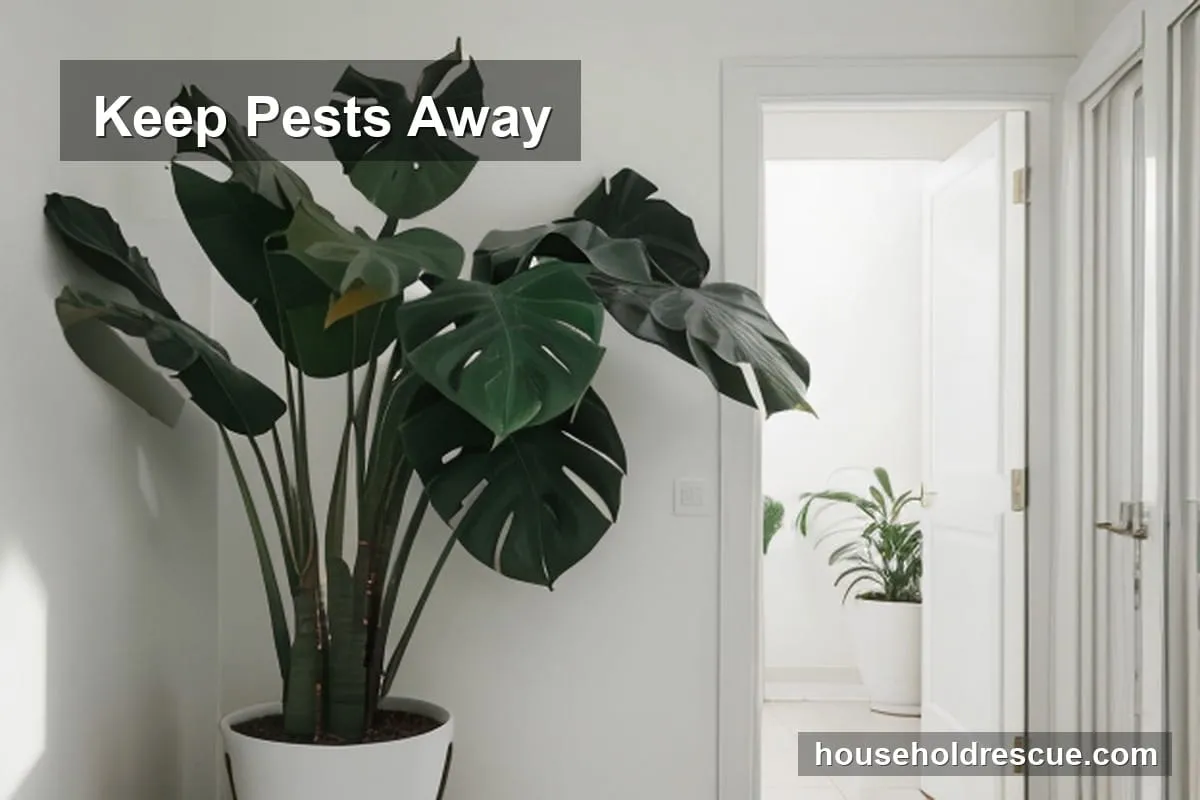
There is something undeniably satisfying about watching a Monstera deliciosa unfurl a new leaf. Those fenestrations—those natural holes in the foliage—are like nature's own art, turning a simple houseplant into a living sculpture. But let's be honest: that lush green growth doesn't happen by magic. Even though Monsteras are tough, forgiving plants, they still need food to keep their leaves big and their stems strong. If you've ever wondered why your plant is growing slowly or why the leaves look a bit pale, the answer usually comes down to what's in your soil.
Feeding your Monstera isn't about dumping fertilizer on it whenever you remember. It requires a bit of timing and understanding of what the plant actually needs at different stages of its life. Too little food, and growth stalls; too much, and you risk burning those delicate roots. In this guide, I'll walk you through exactly what your Monstera eats, when to serve it up, and how to spot the signs that your feeding routine is off. Think of this as a conversation with your plant parent friends about keeping things simple but effective.
Key Takeaways
- Timing Matters: Feed your Monstera every 4-6 weeks in spring/summer, but cut back to once a month or less in winter when growth slows.
- Dilution is Key: Always mix liquid fertilizer to half-strength; Monsteras are sensitive to salt buildup and root burn.
- Nitrogen Focus: During the growing season, prioritize nitrogen-rich food to encourage those signature large leaves.
- Flush Periodically: Every couple of months, water thoroughly to flush out excess salts that can accumulate from fertilizer use.
What Your Monstera Actually Eats: The Nutrient Breakdown
In the wild, Monsteras grow on forest floors covered in a thick layer of decomposing leaves and organic matter. They are constantly sipping up nutrients as that material breaks down. Inside your home, the soil is much more static. It's like a closed system with limited resources, so you have to step in and replenish those nutrients.
When we talk about fertilizer, we're usually looking at three main numbers on the back of the bottle: Nitrogen (N), Phosphorus (P), and Potassium (K). These are the macronutrients that plants need in large amounts. For a Monstera, the balance shifts depending on what you want to achieve.
- Nitrogen (N): This is the star of the show for Monsteras. It drives leaf growth and keeps that deep, vibrant green color. If your leaves are small or pale yellow, it's often a nitrogen deficiency.
- Phosphorus (P): While less critical for the foliage itself, phosphorus is vital for root development. Strong roots mean a stronger plant that can handle water and nutrients better.
- Potassium (K): Think of this as the plant's immune system booster. It helps with overall vigor, disease resistance, and how well the plant handles stress like temperature changes.
A balanced fertilizer, often labeled as 10-10-10 or 20-20-20, is a safe bet for general maintenance. However, if your goal is big leaves, you might want to lean towards a formula that is slightly higher in nitrogen. Just remember, the soil chemistry is delicate. If you dump too much of one nutrient, it can lock out others, making them unavailable to the plant even if they are present.
When to Feed: The Seasonal Rhythm
Plants operate on a rhythm dictated by light and temperature. Your Monstera is no exception. It has a period of active growth in spring and summer, followed by a rest period in fall and winter. Feeding it during its active phase supports that rapid leaf production. Feeding it during the rest phase is usually unnecessary and can actually be harmful.
Spring and Summer (The Growth Phase)
This is when your Monstera is waking up. Days are getting longer, light levels increase, and you'll likely see new leaves unfurling. This is the time to feed regularly. A good rule of thumb is to fertilize every four to six weeks. If you miss a week here and there, don't panic, but try to keep a steady rhythm.
Fall and Winter (The Rest Phase)
As daylight fades and temperatures drop indoors, your Monstera will naturally slow down. It enters a semi-dormant state. During these months, it doesn't need much food. In fact, fertilizing too often can lead to a buildup of salts in the soil that the plant can't process. Reduce feeding to once every two to three months, or even stop entirely if your home gets quite dark and cool.
After Repotting
If you've just moved your Monstera into a new pot with fresh soil, hold off on the fertilizer for at least four to six weeks. Fresh potting mix usually contains enough nutrients to last for a while, and the plant is already stressed from the move. Adding fertilizer now can shock the roots further.
Observation Tip: Don't just follow the calendar blindly. Watch your plant. If you see new leaves unfurling regularly, it's hungry and ready for food. If growth has stalled or the leaves look dull, check if it needs a boost. Conversely, if leaves are turning yellow or brown at the tips, you might be feeding too much.
Picking the Right Food: Liquid vs. Granular vs. Organic
The market is flooded with fertilizer options, and it can get confusing. Do you need the expensive organic stuff? Is synthetic fertilizer bad for your plants? The answer is usually "it depends on what works for you" and "dilution is key." Here is how the different types stack up.
Liquid Fertilizers
These are the most popular choice for indoor Monsteras. They come in bottles that you mix with water before applying. The main advantage is speed; liquid nutrients are absorbed quickly by the roots and show results faster than other types. They also give you precise control over the dosage—you can easily dilute them to half-strength or even quarter-strength if your plant seems sensitive.
Best for: Quick fixes, regular feeding schedules, and plants that are showing signs of nutrient deficiency.
Granular/Slow-Release Fertilizers
These look like small pellets or granules that you sprinkle onto the soil. They release nutrients slowly over time as they break down with water. This is a "set it and forget it" approach, which can be great for busy plant parents. However, if you apply too much, the salt buildup can happen faster than you realize, and you won't see the immediate effects of adjusting the dosage.
Best for: People who want a low-maintenance routine or those who prefer not to mix liquids frequently.
Organic Options (Compost, Worm Castings, Fish Emulsion)
If you are into sustainable gardening, organic fertilizers are excellent. They improve soil structure and microbial life in the pot, which helps with long-term plant health. Worm castings, for instance, are a fantastic natural fertilizer that is gentle on roots. However, they work slower than synthetic options, so you won't see an overnight transformation.
You can also make your own organic solutions at home. For example, creating compost allows you to recycle kitchen scraps into nutrient-rich soil amendments that are perfect for Monsteras. This connects well with other sustainable practices like those used in cleaning and maintaining your home environment, where natural solutions often outperform harsh chemicals.
| Fertilizer Type | Pros | Cons |
|---|---|---|
| Liquid Fertilizer | Fast absorption, easy to control dosage, immediate results | Requires frequent application, can burn roots if not diluted |
| Granular (Slow-Release) | Convenient, long-lasting, less frequent application needed | Harder to adjust dosage once applied, risk of salt buildup |
| Organic (e.g., Worm Castings) | Improves soil health, eco-friendly, gentle on roots | Slower results, may have a stronger odor initially |
How to Feed Without Killing Your Plant: Step-by-Step
Applying fertilizer correctly is just as important as choosing the right one. A common mistake is pouring straight fertilizer onto dry soil, which can instantly burn the roots. Here is a safe, effective method to follow.
Before you even touch the fertilizer bottle, water your Monstera thoroughly. The soil should be moist but not soggy. This creates a buffer zone around the roots and ensures the fertilizer dissolves properly rather than sitting as concentrated crystals on dry soil.
Even if the bottle says "use full strength for houseplants," I recommend diluting it to half that amount. Monsteras are sensitive to salt buildup. A weaker solution is safer and still provides plenty of nutrients without the risk of burning the roots. It's better to underfeed slightly than to overfeed.
Pour your diluted fertilizer around the base of the plant, covering the soil surface where the roots are active. Avoid getting it on the leaves or stems, as this can cause spotting or burn. If you are using granular fertilizer, sprinkle it lightly over the topsoil and water it in immediately.
Over time, fertilizer salts accumulate in the soil. To prevent this, every 6 to 8 weeks, give your Monstera a "flush." Water it heavily until you see water running freely out of the drainage holes at the bottom of the pot. This washes away excess salts and refreshes the soil environment. It's a simple habit that can save your plant from long-term damage.
Speaking of maintaining a healthy home, just as your plants need clean environments to thrive, so do your surfaces. For instance, keeping your bathroom clean is essential for hygiene, much like keeping your plant soil free of salt buildup. You can learn simple ways to clean bathtubs and eliminate tough stains which often involves similar principles of regular maintenance and using the right cleaning agents.
Troubleshooting: Signs Your Feeding Routine is Off
Even with the best intentions, things can go wrong. If your Monstera isn't responding well to fertilizer, it's usually a sign that something in your routine needs adjustment. Here are the most common issues and how to fix them.
Yellowing Leaves
This is the classic sign of over-fertilization. The salts have built up in the soil, drawing water out of the roots (osmotic stress) and causing the leaves to turn yellow or develop brown tips. If you see this, stop feeding immediately. Flush the soil with plain water several times to wash out the excess salts. In the future, reduce your dosage or frequency.
Pale or Small Leaves
If the new leaves are coming in smaller than usual and the color is a lighter green than normal, your plant might be hungry. It's likely not getting enough nitrogen. Try increasing your feeding frequency slightly during the growing season or switch to a fertilizer with a higher nitrogen content.
Root Burn
This is a more severe version of over-fertilization. The roots turn brown and mushy, and the plant may wilt despite wet soil. If you suspect this, it's best to repot the plant in fresh soil to remove as much of the old, salt-laden medium as possible.
Slow Growth
If your Monstera isn't growing at all during spring and summer, check if you are fertilizing at all. Sometimes we get into a routine where we forget to feed for months. Also, ensure you aren't feeding during the dormant winter season when the plant doesn't need it.
Warning: Never apply fertilizer to dry soil. This is the fastest way to burn roots. Always water first, then feed.
Repotting and Fertilizer: A Symbiotic Relationship
You can't talk about feeding a Monstera without mentioning repotting. Over time, the soil in your pot breaks down, compacts, and loses its ability to hold nutrients or drain water properly. When you repot your plant every 1-2 years into fresh, high-quality potting mix, you are essentially resetting the nutrient clock.
After repotting, the new soil is usually rich enough that you don't need to fertilize for a few weeks. This gives the roots time to settle in without the stress of chemical exposure. When you do start feeding again, ensure your pot has good drainage holes. If water sits at the bottom, the roots can rot, and no amount of fertilizer will fix that.
While we are talking about home maintenance, just as plants need fresh soil to thrive, your home needs proper maintenance to stay efficient. For example, ensuring your doors and windows are repaired for energy efficiency helps regulate the indoor environment, which indirectly benefits your plants by maintaining stable temperatures and humidity levels.
Frequently Asked Questions
Can I use coffee grounds as fertilizer for my Monstera?
Yes, used coffee grounds can be a great organic addition to your Monstera's diet, but they should be used with caution. They add nitrogen and improve soil structure, but using them directly in large quantities can create a hard crust that repels water. It is best to mix them into compost first or sprinkle a thin layer on top of the soil and water well.
How do I know if my Monstera needs more fertilizer?
The most obvious signs are pale, yellowing leaves and smaller-than-usual new growth. If your plant is growing rapidly with dark green foliage, it likely has enough nutrients. However, if the leaves look washed out or the plant seems lethargic during spring, a nutrient boost might be needed.
Is it safe to use organic fertilizers on Monsteras?
Absolutely. Organic fertilizers like worm castings, fish emulsion, or compost tea are excellent for Monsteras. They release nutrients slowly and improve soil health without the risk of burning roots from salt buildup. Just ensure you follow the application instructions, as some organic liquids can be potent.
What happens if I over-fertilize my Monstera?
Over-fertilizing leads to a buildup of salts in the soil, which draws water out of the roots and causes "fertilizer burn." Symptoms include yellowing leaves, brown crispy tips, and stunted growth. If this happens, flush the soil with plenty of water to wash away the excess salts.
Can I use fertilizer during winter?
Generally, no. Monsteras slow their growth in winter due to lower light levels. Feeding them during this time can lead to salt buildup without the plant being able to use the nutrients. Stick to a reduced schedule or stop feeding entirely until spring.
Final Thoughts: Consistency Over Perfection
Caring for a Monstera is less about following a rigid scientific formula and more about observing your plant and adapting. Some months it might need a little extra boost, while others it just needs water. The key is to stay consistent with your watering and feeding schedule during the growing season and to be ready to adjust if you see signs of stress.
Remember, your home is a complex ecosystem. Just as you bring industrial texture to your space with metal wall art to create a specific aesthetic, you are curating the environment for your plants. They respond to their surroundings, and a little bit of care goes a long way.
By following these guidelines—watering before feeding, diluting your fertilizer, and flushing the soil periodically—you can help your Monstera thrive. It's not about making it perfect; it's about giving it what it needs to look its best. With a little patience and the right nutrients, your Monstera will reward you with those iconic, beautiful leaves year after year.
This article provides general gardening information based on common horticultural practices. It is not intended as professional agricultural advice. Always test fertilizers on a small area first and consult local gardening experts for specific regional conditions.
Sources & References
- Monstera Deliciosa Care: The Ultimate Guide to Growing Swiss Cheese Plants — University of Florida IFAS Extension
- Nutrient Deficiencies in Houseplants: Identification and Treatment — Penn State Extension