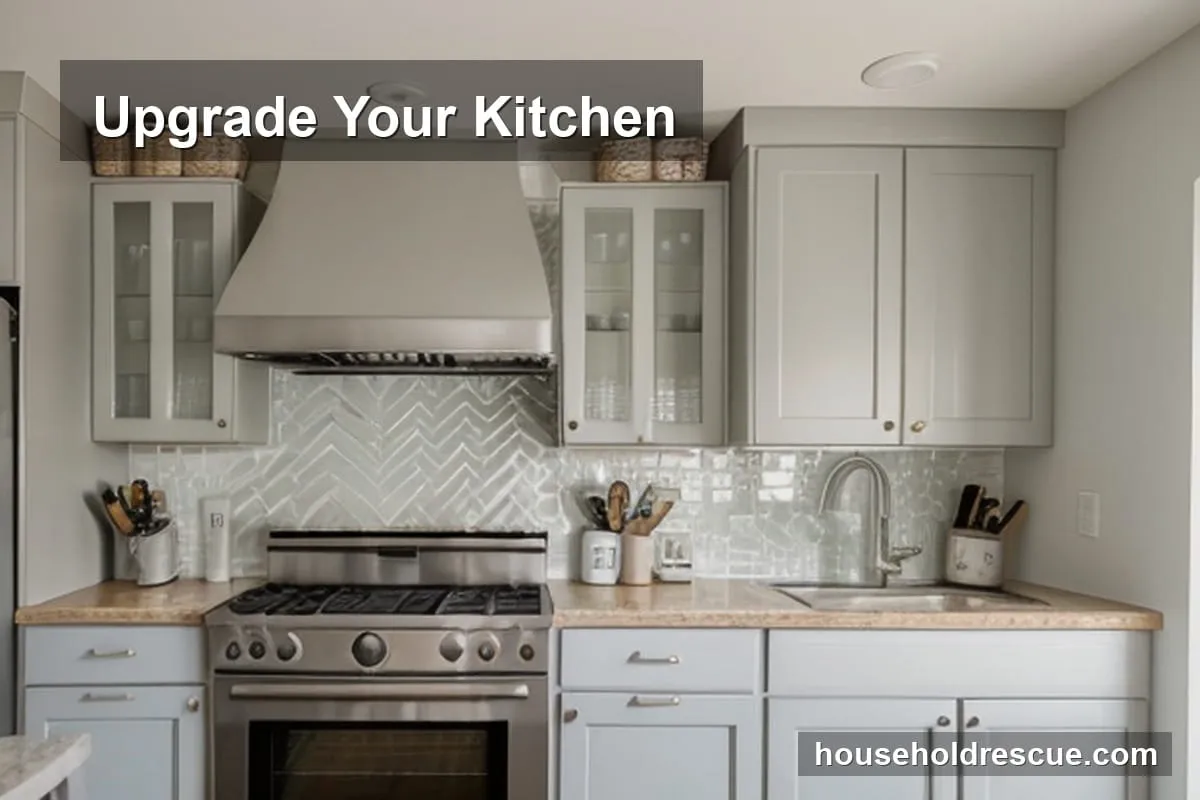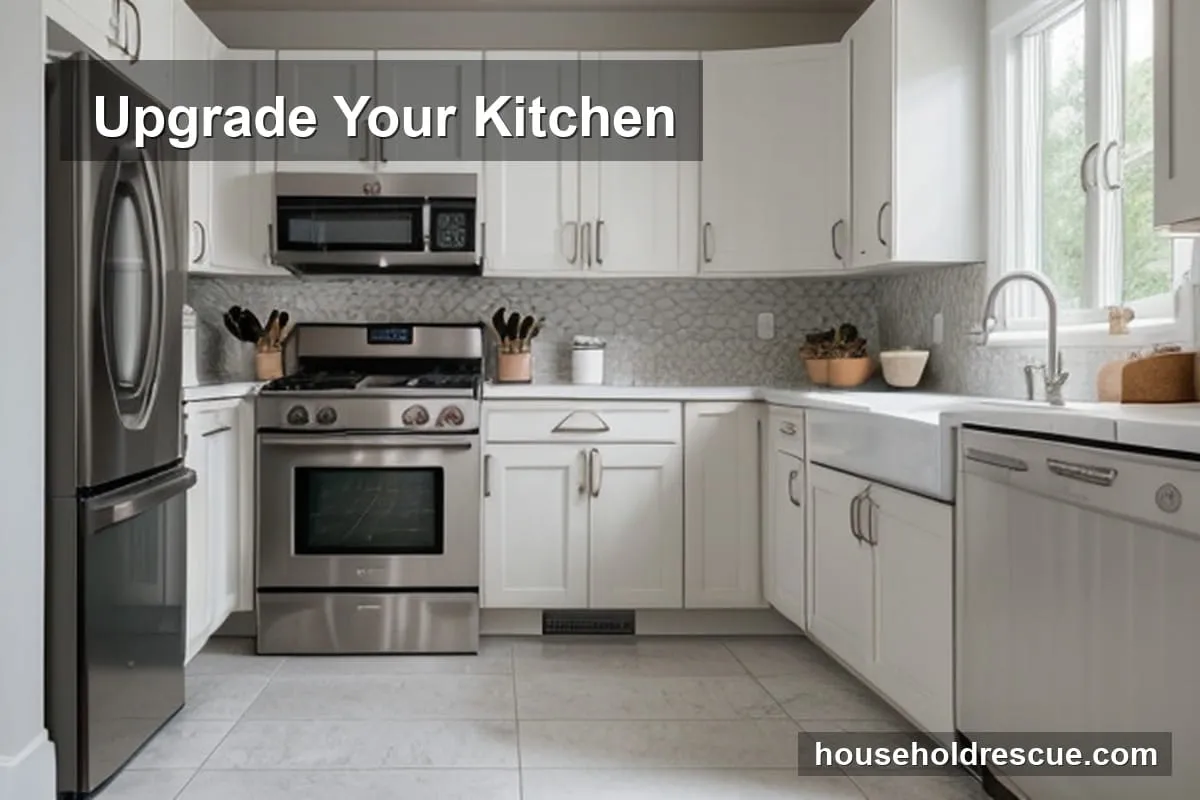
Let's be honest: cooking in a tiny kitchen can feel like trying to solve a Rubik's cube while blindfolded. Every time you pull out a toaster, the microwave seems to vanish into thin air, and suddenly you're cooking with one hand on the counter and the other balancing a pot on your knee. You aren't alone if this sounds familiar. The struggle isn't about having bad cooking skills; it's about how we've traditionally arranged our appliances.
I've spent years looking at small kitchen layouts, from cramped studio apartments to galley kitchens in century-old row houses. What I've learned is that the "game-changer" isn't buying a specific brand of gadget or spending a fortune on custom cabinetry. It's about rethinking the footprint of the tools you already own and making them work harder for less space. You can absolutely turn a cramped corner into a functional culinary hub without feeling like you're living in a commercial kitchen.
Here is how we actually tackle this problem, moving away from generic advice and looking at practical setups that respect the physics of small spaces.
Key Takeaways
- Vertical is Vital: Moving appliances like ovens and microwaves off the counter frees up critical prep space.
- Merge Functions: A single high-quality multi-cooker often beats three separate small gadgets in a tiny footprint.
- Workflow Matters: The "work triangle" concept still applies, but it needs to be tighter and more flexible for small layouts.
- Hidden Storage: Appliances should disappear when not in use; think foldable designs and under-counter integration.
1. Go Vertical: The Wall-Mounted Revolution
If you are fighting for every square inch of countertop, your first move should be to look up. Traditional setups rely heavily on floor space and counter real estate, but walls are often underutilized in small kitchens. By mounting appliances like ovens, microwaves, and even coffee makers directly onto the wall, you reclaim the surface area needed for chopping vegetables or mixing dough.
Consider a wall-mounted espresso machine. It's not just about saving space; it changes the visual weight of the room. When a heavy appliance is anchored to the wall, your eyes perceive more floor space than when that same appliance sits on a pedestal. This setup also reduces the risk of knocking things over from behind since there are no legs to trip over.
When you move appliances up, you aren't just clearing the counter; you're changing how you move through the room. You can walk right up to the wall unit without having to navigate around a bulky base cabinet. It creates a cleaner line of sight and makes the kitchen feel significantly larger than it actually is.
2. The Case for Multi-Functional Appliances
We often buy appliances based on what we think we need, not what we actually use. In a small space, every gadget needs to earn its place. This is where multi-functional units shine. Instead of dedicating prime real estate to a toaster, a microwave, and a slow cooker, you can consolidate those functions into fewer devices.
For instance, an air fryer oven often replaces the need for a toaster oven *and* a small convection oven. A high-end multicooker can handle pressure cooking, slow cooking, rice making, and steaming, which eliminates three separate appliances from your cupboards. It sounds like a trade-off—giving up a dedicated appliance—but in reality, you are simplifying your workflow.
Think about the clutter. If you have a blender, a food processor, and a mixer, that's three distinct bases taking up drawer space or counter real estate. A high-quality immersion blender with attachments can often do 90% of what those bulkier machines do, and it tucks away in a drawer easily. The goal is to reduce the "noise" of your kitchen, both visually and physically.
3. Revisiting the Work Triangle for Tiny Spaces
You've likely heard of the "work triangle," that classic design rule linking the sink, stove, and refrigerator. In large kitchens, this works perfectly. But in a small kitchen, a rigid triangle can actually create bottlenecks if you try to force it into a layout that doesn't support it. The key is to adapt the concept rather than follow it blindly.
In a compact space, the "triangle" might look more like a tight cluster or even a single line. The priority here is minimizing steps. If your fridge is on one side of a narrow galley and your sink is on the other, you have to walk back and forth constantly. Instead, try to group your primary heat source (stove/oven) with your prep area (sink) as closely as possible.
Don't worry about perfect symmetry or specific measurements like "9 feet." Focus on the flow. If you are making a salad, can you get from the fridge to the sink to the cutting board without turning around? That is the real metric of success in a small kitchen. It's about creating a seamless loop that doesn't require you to back into someone else or squeeze past an open oven door.
4. Smart Storage for Appliance Accessories
It's not just the appliances themselves that take up space; it's their accessories. The cords, the manuals, the extra trays, and the specialized tools often end up cluttering drawers until they become impossible to open. Managing these small components is just as important as managing the machines.
Pull-out shelves are a game-changer here. Instead of digging into a deep cabinet where items get lost in the back, a pull-out system brings everything to you. You can dedicate a specific drawer to appliance accessories, using dividers to keep things organized. This keeps your main counters clear and your cabinets accessible.
For items like knives or heavy utensils, consider magnetic strips on the side of a cabinet or the wall. It sounds counterintuitive to put them near appliances, but it clears out drawer space that might be needed for smaller gadgets. Think about how you actually use these tools. If you grab a knife every time you cook, it should be within arm's reach, not buried in a block on the counter.
5. Compact and Energy-Efficient Choices
When space is tight, energy efficiency often goes hand-in-hand with size. Modern compact appliances are designed to fit into smaller footprints without sacrificing performance. A standard full-size dishwasher might be too bulky for a tiny kitchen, but a slimline or countertop model can handle the load while fitting under a counter or on a shelf.
Energy efficiency isn't just about saving money on your bill; it's also about heat management. In a small kitchen, running a large oven or stove can make the entire room uncomfortably hot. Smaller, induction-based cooktops generate less residual heat and cool down faster, keeping the ambient temperature more stable. This makes the space feel more comfortable to work in, especially during summer months.
Look for appliances with "eco-modes" or smart sensors that adjust power usage based on the load. These features not only save energy but also reduce the strain on your kitchen's electrical circuits, which is a common concern in older homes with smaller kitchens.
6. Foldable and Space-Saving Designs
The concept of "foldable" appliances might sound like a gimmick, but it's actually one of the most practical solutions for ultra-small spaces. Imagine a countertop oven that folds flat against the wall when not in use. Or a collapsible salad spinner that flattens to fit into a drawer. These designs acknowledge that we don't need our appliances out 24/7.
Consider a foldable toaster oven. You can pull it out, toast your bread, and then tuck it away. It frees up the counter for meal prep, which is often the most critical time in the kitchen. This flexibility allows you to have the functionality of a large appliance without the permanent footprint.
It's about having the option to change your kitchen's layout based on what you're doing. If you're hosting a dinner party, you might want all your appliances out. If it's just a quick weeknight meal, you can fold them away. This adaptability is crucial for maximizing utility in a small footprint.
7. Lighting to Enhance Functionality
Lighting isn't just about aesthetics; it's a functional tool that can make your appliances work better and your space feel larger. In a small kitchen, shadows can make a cramped area feel even smaller and more cluttered. Installing under-cabinet lighting illuminates the countertop directly where you are working, eliminating dark spots where you might miss details.
LED strips or motion-activated lights can also highlight your key appliances. If your fridge is in a corner that gets little light, a small sensor light can help you see what's inside without fumbling for a switch. This improves safety and usability, especially if you are cooking late at night.
Use warm white LEDs for a cozy feel when you're just hanging out, or cool white for task lighting near your sink and stove. The right lighting makes the difference between feeling like you're working in a cave and feeling like you have a professional workspace.
8. Avoiding the Appliance Overload
It's tempting to buy every gadget you see, especially when they promise to make your life easier. But in a small kitchen, this is a trap. Every new appliance adds to the clutter and reduces the available workspace. The most efficient kitchens are often those with fewer, higher-quality appliances.
Focus on essentials. If you have a high-quality blender that doubles as a food processor, do you really need a separate juicer? Probably not. Ask yourself: "Do I use this every week?" If the answer is no, it likely doesn't belong in your kitchen. It's better to have one versatile tool than three specialized ones that gather dust.
Don't fill your kitchen with gadgets you'll rarely use. Stick to appliances that align with your actual cooking habits and lifestyle. This discipline will keep your space functional and prevent the feeling of being overwhelmed by your own tools.
9. Scalability and Future-Proofing
When choosing appliances for a small kitchen, think about how your needs might change. A compact fridge might work now, but what if you start hosting more meals or your family grows? Invest in scalable solutions that can adapt to your changing needs.
Look for appliances with adjustable shelves, expandable drawers, or modular designs. Some ovens have removable racks that can be reconfigured for different pan sizes. This flexibility ensures that your kitchen remains functional even as your lifestyle evolves. It's about building a system that can grow with you, rather than one that becomes obsolete.
10. Regular Maintenance and Care
Even the best setup will fail if you don't maintain it. In a small kitchen, a dirty or malfunctioning appliance can quickly ruin the entire experience. Clean your appliances frequently, descale your coffee maker, and check for leaks or wear and tear.
A well-maintained espresso machine not only tastes better but also lasts longer. A step-by-step cleaning routine ensures that your countertops and appliances stay spotless, which is crucial in a small space where dirt is more visible. Keeping things clean also makes the kitchen feel larger and more inviting.
FAQ: Small Kitchen Appliance Setup Ideas
Q1: How can I fit all my appliances in a tiny kitchen?
You prioritize multi-functional units and vertical storage to maximize efficiency. By mounting appliances on walls and using foldable designs, you can significantly reduce the footprint of your equipment while keeping everything accessible.
Q2: Are combo appliances worth the investment for small spaces?
Absolutely. Combo appliances like steam ovens or multicookers save space by replacing multiple single-purpose gadgets. They often cost less in the long run and free up valuable counter and cabinet real estate.
Q3: What's the best way to organize small appliance accessories?
Use pull-out drawers with dividers and magnetic strips on walls or cabinet sides. This keeps cords, manuals, and tools out of sight but within easy reach, preventing clutter from accumulating in your main workspace.
Q4: Can I upgrade my appliances later if my needs change?
Yes, by choosing scalable appliances with adjustable features. Many modern units are designed to adapt, allowing you to modify shelving or configurations as your cooking habits or family size evolves over time.
Q5: How do I maintain my appliances in a small kitchen?
Regular cleaning and descaling are essential to prevent buildup. Follow manufacturer guidelines for specific maintenance tasks, such as understanding drying symbols for laundry appliances or general cleaning routines for kitchen equipment.
Q6: What if I don't have enough wall space for mounting appliances?
You can still optimize your space with freestanding compact appliances or under-counter units. Many small appliances, like mini refrigerators, are designed to fit into tight spaces without requiring permanent installation.
Q7: How can I make my small kitchen look bigger with appliances?
Choose light-colored appliances and avoid bulky designs. Reflective surfaces and streamlined units create a sense of openness, making the room feel less cluttered and more spacious than it actually is.
Q8: What are the current trends in small kitchen appliance design?
Smart appliances with voice control and energy-efficient models are leading the way. Look for features like built-in connectivity and eco-friendly settings that reduce power consumption while enhancing convenience.
Final Thoughts
Small kitchens don't have to mean small functionality. By embracing vertical space, investing in multi-functional appliances, and using smart storage solutions, you can create a kitchen that's both efficient and stylish. Remember to prioritize your needs, avoid overcrowding, and maintain your appliances regularly for long-term success.
If you're looking to expand your organizational skills beyond the kitchen, you might also find value in learning smart ways to optimize small home laundry space or exploring container soil 101 for creating the perfect potting mix for small spaces to maximize your indoor greenery.
This article provides general information and practical tips for organizing and optimizing small kitchen spaces. It is not a substitute for professional advice from a certified appliance technician or interior designer. Always consult with a qualified professional before making structural changes or purchasing new appliances.