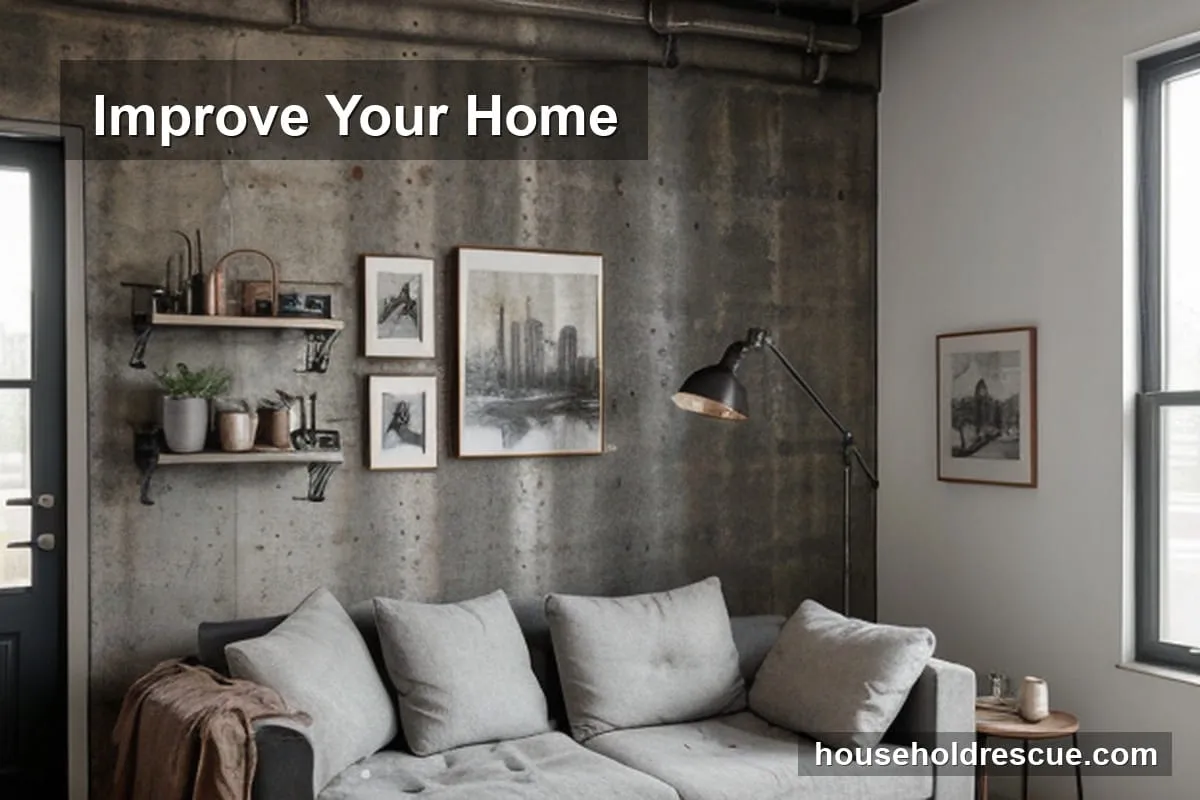
You know that feeling when you walk into a room and the first thing you notice is the raw, unpolished texture of the walls? That's the industrial look. It isn't about making your home feel like a factory floor; it's about embracing the honest beauty of materials like iron, steel, and copper. I've spent years helping homeowners find that perfect balance between rugged durability and sophisticated style, and metal wall art is hands-down one of the most effective tools for achieving this.
Metal pieces do something wood or canvas simply can't: they catch light in a way that changes the entire mood of a room as the sun moves across the sky. A matte black steel sculpture absorbs light to ground a space, while a brushed nickel piece reflects it to brighten corners. Whether you are trying to warm up a sterile apartment or add character to a loft with exposed brick, these elements provide the structural backbone your decor needs.
Key Takeaways
- Light Interaction: Metal reflects and absorbs light differently than other materials, creating dynamic shadows that evolve throughout the day.
- Versatility: From rustic iron to polished chrome, metal art works in almost any style when paired with the right complementary textures like wood or velvet.
- Durability: Unlike paper or fabric, metal resists wear, making it an ideal choice for high-traffic areas and long-term investment.
- Scale Matters: Choosing the right size is critical; a piece that is too small gets lost, while one that is too large can overwhelm the space.
The Enduring Appeal of Industrial Texture
Why has this aesthetic stuck around for so long? It's not just about following a trend. The industrial look appeals to us because it feels authentic. In a world filled with mass-produced, plastic-looking items, metal offers a sense of permanence. When you hang a piece of art made from steel or iron, you are bringing in something that has been forged, shaped, and treated to last.
Think about the contrast. Industrial design often pairs hard surfaces with soft ones. A heavy, weathered metal sculpture against a plush velvet sofa creates a visual tension that is incredibly satisfying. It stops the room from feeling flat or one-dimensional. You aren't just hanging a picture; you are introducing an element of raw architecture into your interior.
Another major factor is how these materials age. Wood can warp, fabric can fade, and paint can chip. Metal, however, often improves with time. A piece that starts as a sleek, polished surface might develop a subtle patina or rust over the years if left untreated, which adds to its character rather than detracting from it. This longevity makes it a smart investment for your home.
Understanding the Different Metal Finishes
Before you start shopping, it helps to understand the different finishes available, as each brings a completely different vibe to a room. You might think all metal art looks the same, but the finish changes everything.
Rustic and Weathered Iron
This is the classic industrial look. Pieces made from wrought iron or steel that have been intentionally rusted or left with a rough, textured surface feel heavy and grounded. They work exceptionally well in spaces with exposed brick walls, concrete floors, or reclaimed wood furniture. The key here is texture; you want to see the hammer marks, the grain of the metal, and the unevenness that makes it look handcrafted.
Best For: Farmhouse kitchens, rustic living rooms, or spaces with a lot of warm wood tones. It pairs beautifully with earthy colors like browns, oranges, and deep greens.
Polished Stainless Steel and Chrome
If you want something sleeker, polished metals are the way to go. These surfaces are mirror-like and highly reflective. They bounce light around a room, which can make smaller spaces feel larger and airier. A large stainless steel sculpture can act almost like a window in a dark corner, pulling in whatever natural or artificial light is nearby.
Best For: Modern minimalist interiors, contemporary offices, or high-tech home theaters. This finish pairs well with glass tables, white walls, and cool color palettes like greys and blues.
Brushed Metal (Bronze, Copper, Brass)
These warm-toned metals add a touch of luxury without being overly flashy. Brushed finishes hide fingerprints and scratches better than polished ones, making them practical for busy households. A piece of copper or brass art will develop a darker patina over time, which many people find adds to the antique feel.
Best For: Transitional spaces that blend modern and traditional elements. It works well in dining rooms or entryways where you want a warm glow.
Repurposed and Upcycled Metal
This is a growing category for the eco-conscious homeowner. Artists often take old machinery parts, car bumpers, gears, or rebar and transform them into art. These pieces are unique because they carry a history. You aren't just buying a shape; you are buying a story about where that metal came from.
Best For: Creative studios, lofts, or anyone who wants to make a statement about sustainability and uniqueness.
Pro Tip: If you are struggling to decide between a polished or rustic finish, look at the other metal fixtures in your room. Do you have brass light fixtures? Then a brushed gold art piece might harmonize better than cold steel. Matching your hardware finishes can create a more cohesive design.
How to Select the Right Piece for Your Room
Picking metal art isn't just about finding something you like; it's about finding something that fits the specific architecture of your home. A piece that works in a warehouse loft might look out of place in a cozy cottage.
1. Assess Your Existing Style
Start by looking at what you already have. If your room is filled with ornate, traditional furniture with lots of curves and details, a sharp, angular metal sculpture might clash too hard unless it's very subtle. Conversely, if your space is stark and modern, a rustic iron piece could add the warmth it needs to feel inviting.
If you are looking for a way to integrate this into a specific area like a dining room, you might want to check out how to choose the right wall decor for your dining room for more tailored advice on balancing large pieces with functional furniture.
2. The Rule of Scale
This is where most people go wrong. You have to measure your wall before you buy. A common mistake is hanging a tiny metal piece in the middle of a massive, empty wall. It looks lost and can make the room feel disjointed.
- Large Walls: Go big. A single, large-scale sculpture or a group of three medium pieces creates a focal point that anchors the room.
- Small Spaces: In smaller rooms, you need to be careful not to overwhelm the space. Smaller, reflective pieces can work well here because they don't visually block the wall as much as solid, dark metal would.
3. Lighting Considerations
Metal art is all about light. Since these pieces reflect or absorb light, their placement is critical. If you hang a polished piece in a dark corner with no windows or lamps, it will look dull and flat. You need to place reflective metal near light sources—either natural light from a window or artificial lighting like track lights or sconces.
Conversely, if you have a room that is too bright, a matte black or rusted iron piece can help absorb some of that glare and add depth.
4. Functionality vs. Pure Decor
Some metal sculptures serve a dual purpose. You might find wall-mounted shelves made from industrial piping, or metal art that doubles as a room divider. If you are looking to maximize space, consider these functional pieces. For example, if you are designing a cozy living area, you might want to see how to design a cozy living room with the perfect furniture picks to understand how functional decor can enhance comfort.
Common Mistake: Overloading a wall. It is tempting to fill every inch of space with metal art, but this can create visual noise. Leave some breathing room around your pieces. The negative space is just as important as the art itself.
Styling Metal Art in Different Rooms
The versatility of metal art allows you to use it anywhere in the house, but how you style it will change depending on the room's purpose.
Living Room: The Focal Point
In a living room, metal art often serves as the main focal point above a sofa or fireplace. A large, abstract metal sculpture can break up the horizontal lines of furniture and add vertical interest. To keep the space from feeling cold, pair a hard metal piece with soft textiles. Think velvet cushions, wool throws, or a plush rug.
Entryway: First Impressions
The entryway is your chance to set the tone for the rest of the home. A striking metal sculpture here creates an immediate "wow" factor. Since this area often has lower light levels, choose a piece that reflects light well, like polished steel or brass, to brighten the space as you walk in.
Dining Room: Texture and Elegance
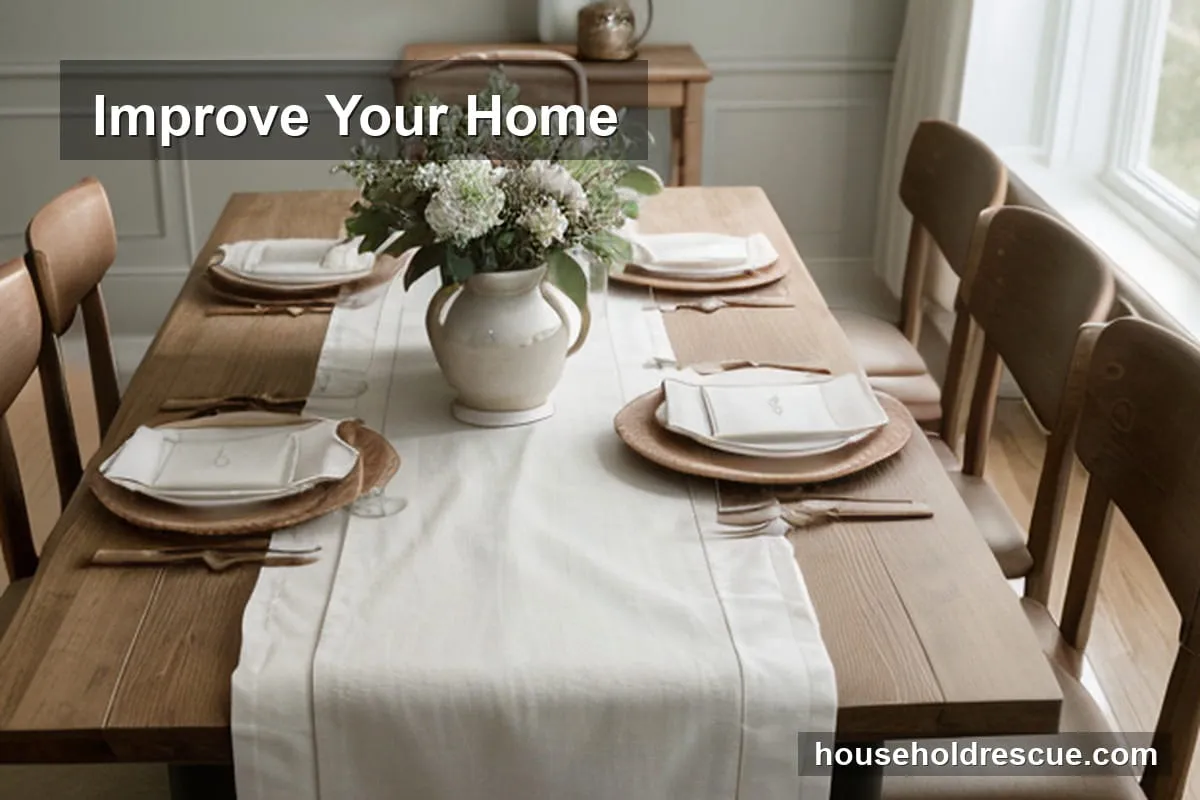
Metal art can add a sophisticated touch to a dining room. A large metal wall hanging behind a buffet or sideboard adds depth without cluttering the view. If you are looking for specific ideas on how to tie this together, table runners and placemats elevating your dining room style shows how table decor can complement wall art for a cohesive look.
Bedroom: Serenity and Structure
You might not think of metal for a bedroom, but it can be very calming if done right. Avoid sharp, jagged shapes that might feel aggressive. Instead, opt for smooth, flowing curves in brushed bronze or copper. These warm tones create a sense of calm and structure without being overwhelming.
Home Office: Focus and Drive
In an office, you want something that inspires focus. Geometric metal art with clean lines can help organize the visual space and encourage a structured mindset. A piece with a metallic finish can also reflect light onto your workspace, reducing eye strain.
DIY: Creating Your Own Metal Art
If you are on a budget or want something truly unique, making your own metal art is a fantastic option. It doesn't require expensive equipment to get started.
Painted Metal Panels
You can buy sheets of thin steel or iron from hardware stores and cut them into shapes. Sand down any rough edges, apply a primer, and then paint them with bold colors or geometric patterns. This is a great way to add a pop of color that fits your exact palette.
Welded Sculptures
If you have access to welding tools, you can create abstract shapes from scrap metal. This allows for complete freedom in design. You can leave the welds visible for a raw look or grind them smooth for a polished finish.
Hanging Ornaments
For a lighter touch, try creating a mobile or wall hanging using small metal shapes like gears, stars, or circles. Hang them at different heights from a single point or a wire to create a cascading effect. This works well in hallways or above staircases.
Pro Tip: When working with DIY metal art, always wear safety gear like gloves and goggles. Metal edges can be sharp, and welding requires specific eye protection to prevent damage from UV rays.
Maintenance: Keeping Your Art Looking New
One of the biggest advantages of metal art is its durability, but it does require a bit of care to keep it looking its best. Different metals react differently to their environment.
Cleaning
For most polished or painted metal pieces, regular dusting with a soft, dry cloth is sufficient. If you need a deeper clean, use a damp cloth with mild soap and water. Avoid abrasive scrubbers or harsh chemicals that can strip the finish or scratch the surface.
Rust Prevention
If you have wrought iron or steel pieces that are prone to rust, keep an eye on them, especially in humid areas like bathrooms or kitchens. If you notice small spots of rust forming, sand them down immediately and apply a touch-up paint or clear sealant designed for metal.
Placement Considerations
Avoid placing metal art in direct sunlight for extended periods if it is painted, as the UV rays can fade the color over time. Also, be mindful of moisture. If you live in a very humid climate, ensure your metal pieces are not placed directly against exterior walls where condensation might form.
Frequently Asked Questions
Can metal wall art work in small spaces?
Absolutely. In fact, metal can be a great tool for making small rooms feel larger. By choosing reflective pieces like polished steel or mirrors, you bounce light around the room, creating an illusion of depth and space that matte materials cannot achieve.
How do I clean metal wall art without damaging it?
Start with a soft, dry microfiber cloth to remove dust. For sticky spots, use a damp cloth with a drop of mild dish soap, then dry immediately with a separate cloth. Avoid steel wool or abrasive sponges, as they will scratch the finish.
Are there budget-friendly options for metal art?
Yes, you don't need to spend a fortune. Thrift stores and flea markets often have metal items that can be repurposed. You can also look for DIY kits or buy raw metal sheets and paint them yourself for a fraction of the cost of custom pieces.
Can I mix metal art with other materials?
Definitely. Mixing materials is key to a balanced design. Pairing metal with wood, glass, or textiles creates visual interest and prevents the room from feeling too cold or sterile. Just ensure that the finishes complement each other rather than clash.
What's the best way to hang heavy metal sculptures?
Safety is paramount here. You need to use heavy-duty wall anchors that are rated for the weight of the sculpture. For drywall, toggle bolts are often necessary. If you are unsure about your wall's ability to support the weight, consult a professional or check signs doors windows need immediate repairs for general structural safety tips.
How do I style a room with multiple metal pieces?
To avoid clutter, group similar pieces together or create a gallery wall where the metal art is the unifying element. Keep the background neutral so the metal stands out, and vary the sizes to create visual rhythm.
Pro Tip: If your home has low-light plants that are struggling, consider how lighting affects both your decor and your greenery. You might find inspiration in expert picks top low light plants for a thriving bathroom oasis to pair with your metal art for a balanced aesthetic.
Final Thoughts on Industrial Elegance
Incorporating metal wall art and sculptures into your home is more than just a design choice; it's a way to bring structure, durability, and a touch of modern sophistication to your living space. Whether you choose the rugged charm of weathered iron or the sleek shine of polished steel, these pieces have the power to transform a room from ordinary to extraordinary.
The key is to experiment. Don't be afraid to mix metals, play with lighting, and combine industrial elements with softer textures. By understanding how scale and finish affect your space, you can create an environment that feels both bold and inviting. For more ideas on organizing your home, you might also want to read container soil 101 creating the perfect potting mix for small spaces to see how different textures can coexist beautifully.
Remember, your home is a reflection of you. Let your walls tell a story of strength and style through the timeless appeal of metal art.
Note: This article provides general design advice and information. For heavy structural installations or specific safety concerns regarding wall anchors and mounting hardware, please consult with a qualified professional to ensure the safety of your home and occupants.
Sources & References
- Interior Design Principles — American Society of Interior Designers
- Home Maintenance and Repair — U.S. Department of Housing and Urban Development (HUD)