I remember the first time I tried to garden in winter. It was a brutal cold snap, and I had planted some tomatoes right up until the frost hit, convinced that "year-round gardening" meant keeping my hands busy no matter what. Spoiler alert: I lost those plants, and I spent weeks digging frozen soil. That failure taught me the hard way that true year-round gardening isn't about forcing growth in impossible conditions; it's about working with the seasons, not against them.
Gardening is a living conversation with nature. It requires patience, observation, and a willingness to adapt when the weather throws you a curveball. Whether you are managing a sprawling backyard or squeezing plants into a small balcony, the goal remains the same: creating a resilient ecosystem that provides beauty and sustenance throughout the twelve months.
Key Takeaways
- Seasonal Alignment: Success comes from matching plant choices to your specific climate zone and seasonal shifts, rather than forcing out-of-season crops.
- Soil Health First: Year-round growth relies on building organic matter and proper drainage to prevent nutrient depletion and compaction.
- Strategic Protection: Using tools like mulch, cold frames, and row covers protects plants from temperature extremes rather than trying to eliminate them.
- Pest Management: Integrated Pest Management (IPM) focuses on long-term prevention through biodiversity instead of relying solely on chemicals.
The Reality of Year-Round Gardening
There is a romantic notion that a garden should be lush and blooming every single day, but the reality is far more nuanced. Nature operates in cycles, and our gardening practices should reflect that rhythm. The modern approach to year-round gardening acknowledges that different seasons demand different strategies. In spring, you are building; in summer, you are sustaining; in fall, you are harvesting and preparing; and in winter, you are protecting.
When you align your efforts with these natural cycles, you reduce the need for aggressive interventions like excessive heating or chemical fertilizers. This approach not only saves money but also results in healthier plants that are more resistant to pests and disease. It's about creating a garden that feels alive and responsive, rather than a static display.
Why Consistency Matters
Consistent care throughout the year builds a foundation of health that pays dividends later. For instance, regular soil testing in the spring can prevent nutrient deficiencies that might otherwise stunt growth for the entire season. Similarly, maintaining a diverse plant palette attracts beneficial insects that keep pest populations in check naturally.
Seasonal Planning: Your Roadmap to Success
The biggest mistake I see gardeners make is treating every month the same way. A strategy that works for June will likely fail you in December. The key is to break your garden down into zones based on sunlight, temperature, and moisture availability.
Think about your specific microclimates. Is there a corner of your yard that stays warm longer because it's near a brick wall? That might be the perfect spot for cold-hardy herbs in November. Conversely, a low-lying area that collects frost is better suited for heat-loving crops in July.
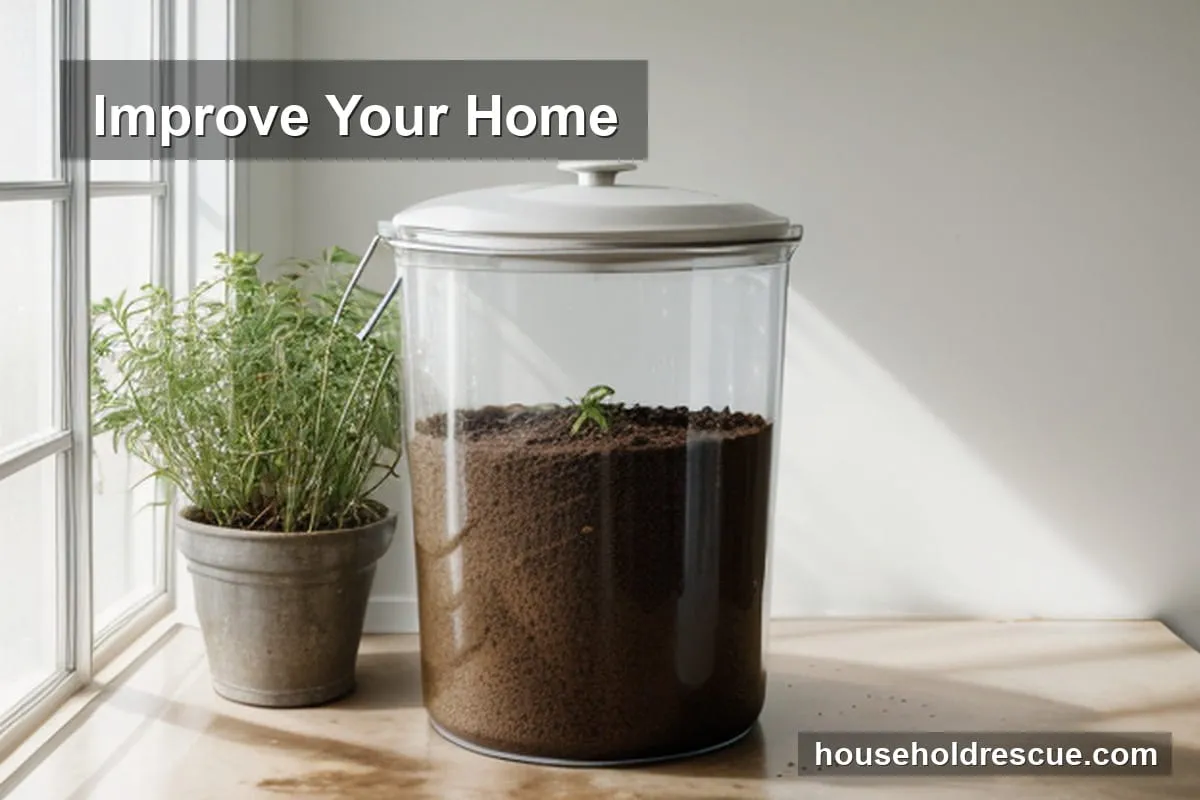
Did You Know? Many gardeners optimize their growing space by using container soil mixes to ensure proper drainage and nutrient balance, which is especially helpful in limited spaces or when dealing with poor native soil.
Spring: The Season of Awakening
Spring isn't just about planting; it's about waking up the soil. Before you put a single seed in the ground, take the time to test your soil pH. Most vegetables prefer a slightly acidic to neutral range (6.0 to 7.0). If your soil is too acidic, adding lime can help; if it's too alkaline, sulfur or compost can lower the pH.
Once the ground thaws and becomes workable, focus on planting cool-season crops. Leafy greens like kale, spinach, and lettuce thrive in these cooler temperatures. You can also start hardening off your seedlings to prepare them for outdoor conditions. Don't forget to prune fruit trees now; removing dead or crossing branches encourages better air circulation and sunlight penetration for the upcoming growing season.
Summer: The Season of Sustenance
When the heat ramps up, the focus shifts to protection and hydration. High temperatures can stress plants, leading to wilting or sunscald. Using shade cloths for sensitive crops like lettuce or tomatoes can make a significant difference in their productivity.
Watering becomes critical here, but timing matters. Watering early in the morning is ideal because it allows foliage to dry before evening, reducing the risk of fungal diseases. If you water at night, the damp leaves sitting overnight create a perfect environment for rot and mildew. Keep a close eye on pests too; aphids and spider mites tend to explode in population during hot, dry spells.
Fall: The Season of Harvest and Transition
As days shorten, your garden enters a phase of winding down. This is the time to harvest root vegetables like carrots, beets, and potatoes. It's also a crucial window for planting bulbs that will bloom in spring, such as tulips and daffodils.
Clearing away dead foliage is essential to prevent disease from overwintering. If you leave rotting leaves around your plants, fungal spores can survive the winter and infect your garden next year. However, be careful not to remove all plant matter; leaving some seed heads can provide food for birds during the colder months.
Winter: The Season of Protection
Winter gardening isn't about growing tomatoes in the snow (unless you have a greenhouse); it's about protecting what you have. Mulching is your best friend here. A thick layer of organic mulch acts as an insulator, keeping soil temperatures stable and preventing freeze-thaw cycles that can heave plants out of the ground.
Pruning dormant shrubs and trees during winter is also beneficial because it's easier to see the structure without leaves obscuring your view. This is also a great time to plan for next year's garden layout while you are indoors, analyzing what worked well and what didn't.
Soil Health: The Backbone of Continuous Growth
You can have the best seeds in the world, but if your soil is dead, nothing will grow. Healthy soil is a living ecosystem teeming with bacteria, fungi, earthworms, and other organisms that cycle nutrients for your plants.
For container gardening, the rules are slightly different. You cannot rely on native soil because it compacts in pots, suffocating roots. Instead, you need a specialized potting mix designed for drainage and aeration. This ensures that water flows freely through the container without leaving the roots sitting in a swamp.
Understanding your soil type is fundamental to success. Different textures hold water and nutrients differently.
| Soil Type | Best For | Key Features |
|---|---|---|
| Sandy Soil | Drainage-heavy plants (e.g., cacti, carrots) | Fast drainage, low nutrient retention, warms up quickly in spring. |
| Clay Soil | Water-loving plants (e.g., water lilies, some grasses) | High nutrient content, holds moisture well, but poor drainage and hard to work with when wet. |
| Loamy Soil | Most vegetables, flowers, and shrubs | The "gold standard"—optimal balance of nutrients, drainage, and aeration. |
If you have clay soil, amending it with compost or organic matter is non-negotiable to improve structure. Conversely, if your soil is too sandy, adding organic matter will help it retain moisture longer.
Caution: Over-fertilizing in winter can burn plant roots and disrupt the soil microbiome. Use slow-release fertilizers sparingly during dormancy periods to avoid shocking your plants.
Watering Wisdom: Tailoring to the Seasons
Water is life, but too much or too little can kill a garden just as fast as a pest. The goal is consistent moisture without waterlogging the roots.
- Spring: Water deeply to encourage roots to grow downward in search of moisture. Shallow watering leads to weak root systems that struggle when the summer heat arrives.
- Summer: Evaporation is your enemy. Water early morning or late evening to minimize loss. Mulching helps retain this moisture for longer periods.
- Fall: As plants enter dormancy, their water needs decrease. Reduce watering gradually to prevent root rot in cooler temperatures.
- Winter: Avoid overwatering frozen ground. If the soil is dry and unfrozen, a light watering on a warm day can help, but generally, plants need very little moisture during dormancy.
Pest Control: A Year-Round Defense Strategy
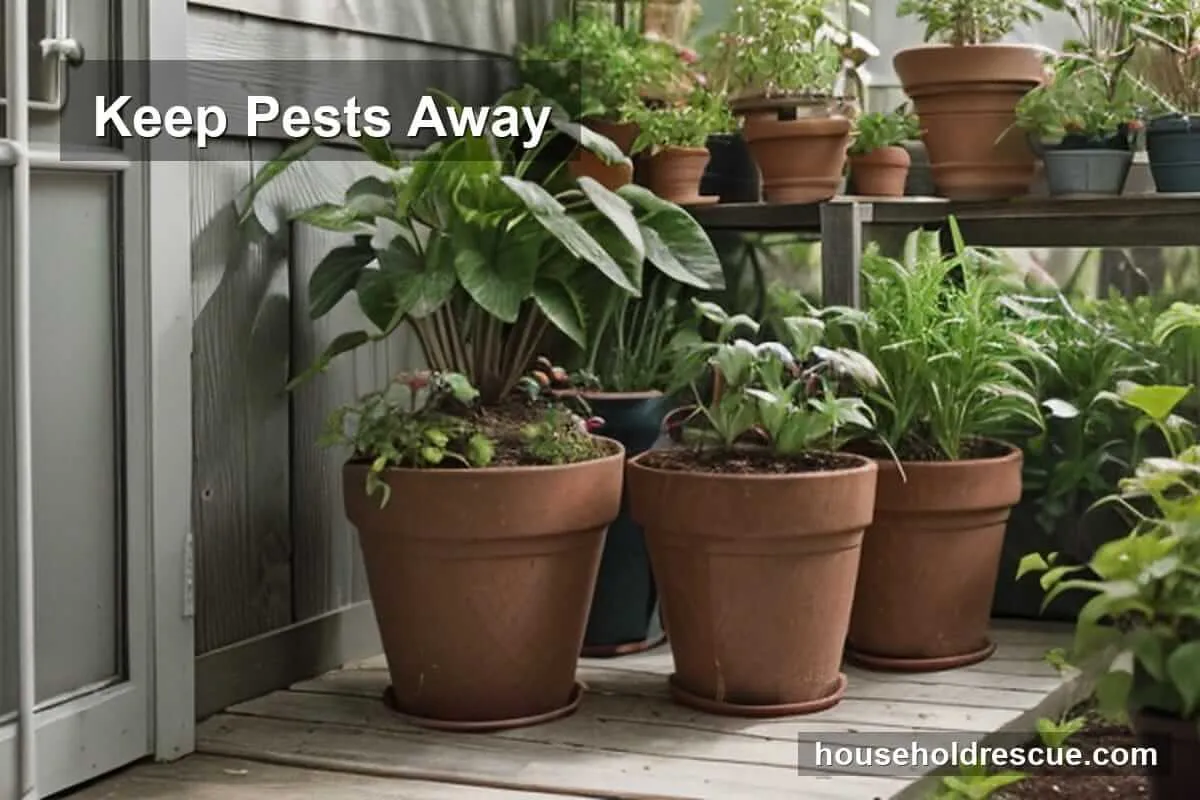
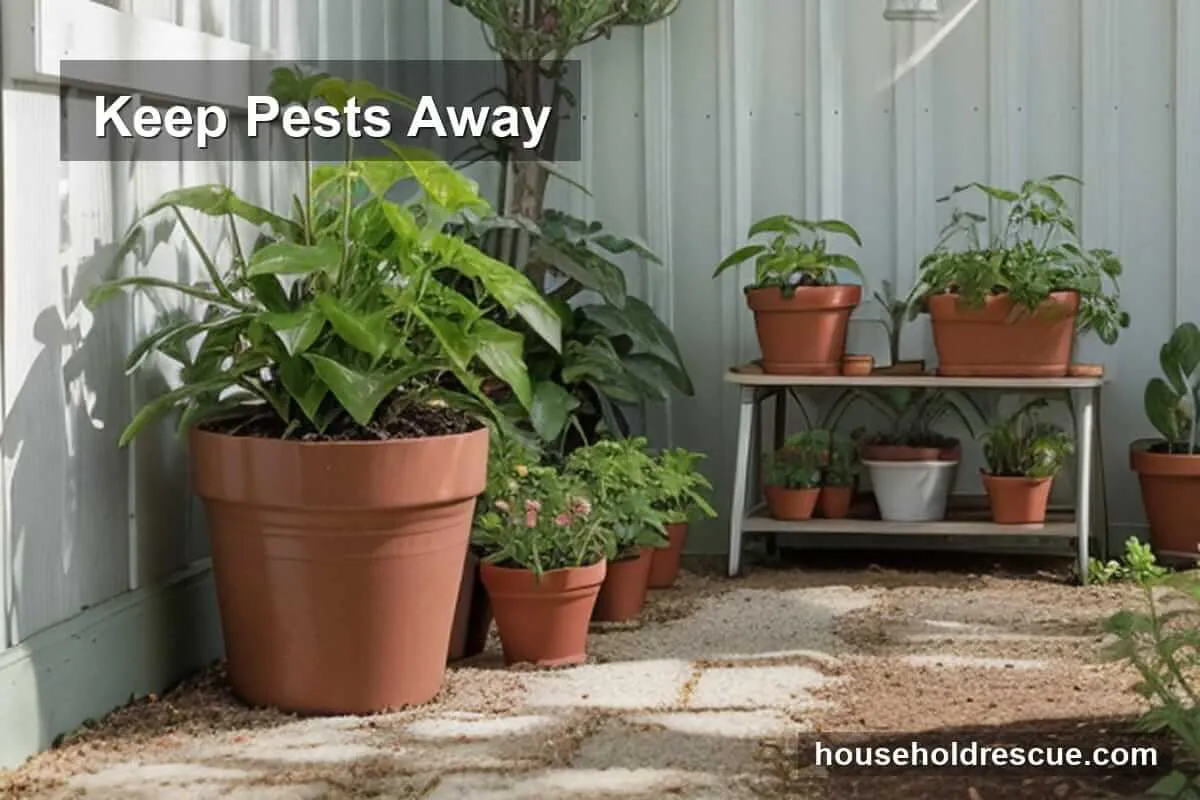
Dealing with pests shouldn't mean reaching for the strongest chemicals immediately. Integrated Pest Management (IPM) is a holistic approach that focuses on long-term prevention and minimal environmental impact.
One of the most effective strategies is companion planting. For example, marigolds are known to repel nematodes in the soil, while basil planted near tomatoes can improve their flavor and deter pests. Another great tactic is encouraging natural predators. Installing birdhouses or insect hotels attracts birds, bats, and beneficial insects like ladybugs and lacewings that eat aphids and other common garden invaders.
If you do need to intervene, neem oil and insecticidal soaps are excellent organic options. They work by suffocating soft-bodied insects without leaving toxic residues on your produce.
Pruning and Fertilizing: Timing Is Everything
The timing of pruning and fertilizing can make or break a plant's health. Pruning during dormancy (late winter/early spring) helps maintain the plant's structure and removes dead wood that could harbor disease.
Fertilization needs to match the plant's growth cycle:
- Spring: Apply nitrogen-rich fertilizers to promote leafy, vegetative growth as plants wake up.
- Summer: Switch to phosphorus and potassium-heavy fertilizers to support flowering and fruiting.
- Fall: Reduce or stop fertilizing to avoid stimulating new, tender growth that will be damaged by the first frost.
Remember that over-fertilizing is just as bad as under-fertilizing. It can lead to excessive foliage at the expense of flowers or fruit and can burn roots if not watered in properly.
Tools and Maintenance: Staying Ahead
Your tools are an extension of your hands. Keeping them sharp and clean makes gardening easier and safer. Dull pruning shears crush stems rather than cutting them, creating open wounds that invite disease. Sharpening them every few months ensures clean cuts.
Regular maintenance checks on irrigation systems are also vital. Leaks can waste gallons of water and create muddy areas where pests thrive. If you notice any issues with your home's infrastructure, such as potential termite damage which can compromise outdoor structures, it is wise to spot termite damage early to save yourself from expensive repairs later.
Storage matters too. Storing tools in a dry place prevents rust and extends their lifespan significantly. A well-organized tool shed or wall rack not only keeps things tidy but also makes it easier to find what you need when you need it.
Frequently Asked Questions
1. How can I grow vegetables in winter?
You can grow vegetables in winter by using protective structures like cold frames, greenhouses, or row covers to shield crops from freezing temperatures. Choosing varieties specifically bred for cold climates, such as kale, spinach, and carrots, is essential for success.
2. What's the best way to prevent soil erosion?
To prevent soil erosion, plant ground-cover species like clover or creeping thyme and apply a layer of mulch to hold the soil in place. Additionally, contouring your planting beds can help slow down water runoff during heavy rains.
3. Can I use the same fertilizer year-round?
No, you should not use the same fertilizer year-round. Adjusting NPK ratios based on the season and plant needs is crucial; for instance, high-nitrogen fertilizers are best in spring for leaf growth, while high-phosphorus options support flowering in summer.
4. How often should I water plants in summer?
In summer, most plants require deep watering 2-3 times per week, depending on the soil type and recent rainfall. It is best to avoid wetting the foliage directly to prevent fungal diseases that thrive in damp conditions.
5. What are common mistakes in year-round gardening?
Common mistakes include ignoring seasonal needs, overwatering plants during cooler months, and neglecting regular pest monitoring. Failing to adapt practices to your specific garden's microclimate is another frequent error that leads to poor results.
6. How do I prepare my garden for a harsh winter?
Preparing for winter involves applying thick mulch to insulate roots, pruning dead branches to prevent breakage under snow load, and covering tender plants with burlap or frost blankets. Ensuring drainage systems are clear of debris is also critical to prevent waterlogging.
Final Thoughts
Gardening year-round is a rewarding journey that connects you deeply with the rhythms of nature. It requires a shift in mindset from "fighting" the weather to collaborating with it. By following seasonal maintenance tips, you can avoid costly issues and keep your garden healthy.
Whether you are using specialized container mixes for small spaces or planning a large landscape, the principles of soil health, water management, and pest control remain constant. Stay flexible, observe your plants closely, and don't be afraid to make adjustments as the seasons change.
If you find yourself needing to organize other areas of your home while tending to your garden, you might also look into styling floating shelves without clutter for a clean, elegant look in your indoor spaces. Similarly, keeping your entryway tidy with an organized entryway for shoes can make daily life more efficient.
For those looking to expand their DIY skills, consider checking out how homeowners choose inspection checklists to ensure your home is in top shape. And if you are looking to add some warmth to your living area, choosing the right wall decor for your dining room can transform the atmosphere.
Remember, if you have a smaller outdoor space, finding effortless outdoor storage for small backyards is key to maximizing both space and style. Finally, always prioritize safety when handling garden inputs by learning how to safely use fertilizers in gardening.
This article provides general gardening information and is not a substitute for professional agricultural advice. Always consult with local extension services or gardening experts for specific advice related to your region's climate and soil conditions.