Expert Picks: Top Low Light Plants for a Thriving Bathroom Oasis
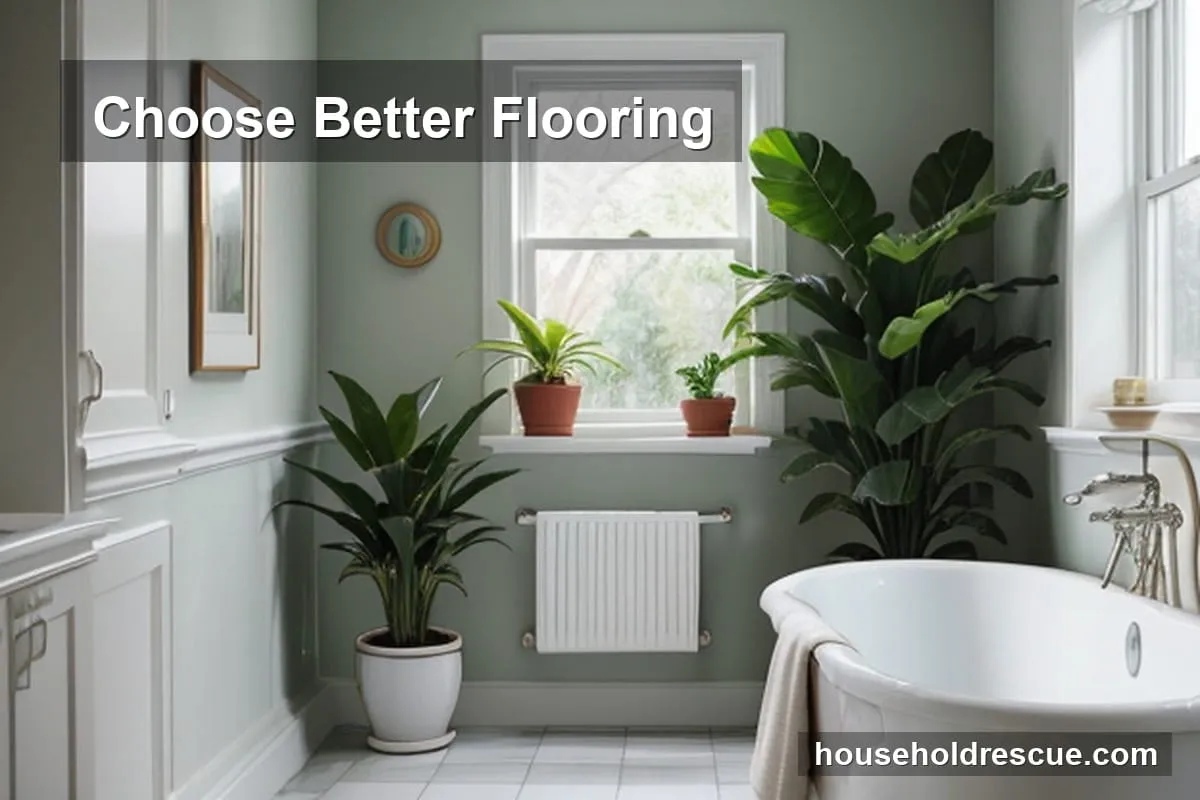
Let's be honest: bathrooms are notorious for being dark, damp, and often forgotten when it comes to interior design. But that specific combination of conditions—high humidity and low light—is actually a goldmine for certain plant species. I've spent years testing which greenery survives the steam from hot showers without turning into mush or fading away in the shadows.
If you're thinking your bathroom is too dark for plants, think again. With the right selection, you can turn that sterile space into a mini jungle that actually helps clean the air while you get ready for the day. The key isn't just buying any plant; it's matching the species to the specific light and humidity levels of your home.
Key Takeaways
- Bathroom conditions are ideal: High humidity and warm temperatures mimic tropical environments, perfect for species like Pothos and Ferns.
- Light varies by bathroom: Even "low light" plants need *some* indirect light; totally dark rooms require grow lights or very specific species like ZZ plants.
- Pet safety matters: Many popular low-light plants (like Snake Plants and Peace Lilies) are toxic to cats and dogs, so always verify toxicity before buying.
- Avoid overwatering: Low light slows down water uptake; letting soil dry out between waterings is the most common way to keep these plants alive.
Why Your Bathroom is Actually a Plant Paradise
Most people assume they need a sunny south-facing window to grow anything green. That's simply not true, especially for bathrooms. The unique microclimate in a bathroom—characterized by consistent humidity spikes during showers and moderate warmth—creates an environment that many tropical plants actually prefer over the dry air of living rooms or offices.
When you run a hot shower, you aren't just creating steam; you're essentially simulating a rainforest floor for about 20 minutes. This natural humidity boost is often all a plant needs to thrive without the constant misting required in dry climates. Plus, many of these plants are excellent at air purification, helping to remove volatile organic compounds (VOCs) from cleaning products and personal care items that can linger in small, enclosed spaces.
Pro Tip: If you're looking to maximize the air quality in your home, check out our guide on how air purifying plants improve home atmosphere. They work especially well in small rooms like bathrooms where ventilation might be limited.
The Top Low Light Plants That Actually Survive
Not every plant can handle the dark. Some will stretch out, lose their color, and eventually die if they don't get enough energy from the sun. Below are the specific plants I recommend for bathrooms that lack direct sunlight.
1. Snake Plant (Sansevieria trifasciata)
If you have a bathroom with zero windows, this is your best bet. The Snake Plant is practically indestructible in low light conditions. It thrives on neglect and can go weeks without water. However, be aware that it's toxic to pets if ingested.
- Light: Low to very low (can survive in near-darkness).
- Water: Every 3-4 weeks (let soil dry completely).
- Humidity: Adaptable, but loves the bathroom steam.
2. ZZ Plant (Zamioculcas zamiifolia)
The ZZ plant is another champion of neglect. Its waxy leaves reflect light well, and its rhizome roots store water, making it incredibly drought-tolerant. It's one of the few plants that can handle a bathroom with no natural light at all, provided you don't overwater it.
- Light: Low to bright indirect (avoid direct sun).
- Water: Every 3-4 weeks.
- Humidity: Average to high.
3. Pothos (Epipremnum aureum)
Pothos is a fast-growing vine that looks stunning trailing from a shelf or hanging basket. It's incredibly responsive to its environment; if it gets thirsty, the leaves droop dramatically, giving you a clear sign when to water. For more on keeping low light plants healthy, read our guide on how to spot and treat pests on low light houseplants, as humidity can sometimes attract spider mites.
- Light: Low to moderate (variegated varieties need more light).
- Water: Every 1-2 weeks.
- Humidity: Moderate to high.
4. Cast Iron Plant (Aspidistra elatior)
Don't let the name confuse you—this isn't a fern or an ivy. The Cast Iron Plant is named for its toughness, not its botanical family. It tolerates extreme neglect and low light better than almost any other houseplant. Its broad, dark green leaves add a sophisticated touch to darker bathrooms.
- Light: Low to very low.
- Water: Every 2-3 weeks.
- Humidity: Average.
5. Boston Fern (Nephrolepis exaltata)
Ferns are the ultimate humidity lovers. If your bathroom gets steamy, a Boston Fern will thank you by growing lush and green. They can be tricky in dry air but thrive perfectly in a bathroom setting where the shower provides regular moisture.
- Light: Low to moderate (indirect).
- Water: Keep soil consistently moist, not soggy.
- Humidity: High.
6. Chinese Evergreen (Aglaonema)
These plants come in beautiful varieties with silver, red, or green patterns. They are slow growers but extremely reliable in low light. If you want something that looks like a flowering plant without the need for high energy input, this is it.
- Light: Low to moderate.
- Water: Every 2 weeks.
- Humidity: Moderate.
7. Peace Lily (Spathiphyllum)
Peace Lilies are famous for their white blooms and ability to signal when they need water by drooping dramatically. They also excel at air purification, removing toxins like ammonia and formaldehyde. Just remember, they are toxic to pets.
- Light: Low to moderate (more light = more flowers).
- Water: Every 1-2 weeks.
- Humidity: High.
8. Parlor Palm (Chamaedorea elegans)
This is a small palm that looks great in pots and doesn't get too tall for a bathroom vanity. It loves humidity but can struggle if the air is too dry. For specific care instructions on palms in dim rooms, you should check out our article on how to care for parlor palms in low light spaces.
- Light: Low to moderate.
- Water: Keep soil slightly moist.
- Humidity: Moderate to high.
Did you know? While many plants love the bathroom, some are better suited for dim rooms than others. If you are looking for more options, our guide on best indoor palms for dim rooms covers low-maintenance varieties that thrive in similar conditions.
Care Tips for Your Bathroom Jungle
Having a bathroom with plants is great, but the environment can be tricky. The combination of heat and moisture can lead to fungal issues if you aren't careful. Here's how to keep your greenery healthy without turning your bathroom into a swamp.
1. Master the Watering Schedule
The biggest killer of low-light plants is overwatering. In low light, plants use water much slower because they aren't photosynthesizing as actively. If you water them on a strict schedule regardless of soil moisture, you risk root rot.
- Stick your finger an inch into the soil; if it's damp, wait.
- Ensure pots have drainage holes to prevent waterlogging.
- Water in the morning so excess moisture evaporates during the day.
2. Manage Humidity vs. Mold
While plants love humidity, standing water on leaves or soil can encourage mold growth, especially in dark corners. Ensure your bathroom has some ventilation.
- Run the exhaust fan for 20 minutes after a shower.
- Wipe down large leaves occasionally to prevent dust buildup.
- Group plants together to create a microclimate, but leave space between pots for air circulation.
Warning: Never place plants directly on top of radiators or near the shower head where they will get blasted with scalding water. Sudden temperature changes can shock the plant and cause leaf drop.
Common Mistakes to Avoid
Even experienced gardeners make mistakes in bathrooms. Here are the traps that catch most people off guard:
- Misting too much: Since your bathroom is already humid, you rarely need to mist plants unless they are ferns or Calatheas.
- Ignoring pests: High humidity can attract spider mites and fungus gnats. Check the undersides of leaves regularly.
- Using dirty water: Tap water with high chlorine or fluoride can burn sensitive leaves over time. Let water sit out overnight if possible.
Frequently Asked Questions
Q: Can I grow low light plants in a completely dark bathroom?
A: No plant can survive in total darkness indefinitely, but some like the ZZ Plant and Snake Plant can endure very low light for months. For a truly dark room, you will need to supplement with a small LED grow light.
Q: How often should I water my low light bathroom plants?
A: This depends on the plant and humidity, but generally every 1-4 weeks. The best method is to check the soil moisture with your finger rather than relying on a calendar.
Q: Are low light bathroom plants safe for pets?
A: This is a critical question. Many popular low-light plants like Snake Plants, ZZ Plants, and Peace Lilies are toxic to cats and dogs if ingested. If you have pets, stick to pet-safe options like Spider Plants or Parlor Palms.
Q: Can I use bathroom steam to increase humidity for plants?
A: Yes! The steam from your shower is a natural humidifier. Plants placed near the shower (but not directly in the spray) will benefit significantly from this moisture.
Q: How do I propagate low light plants?
A: Pothos, Spider Plants, and Parlor Palms are easy to propagate. Simply cut a healthy stem with a node, place it in water until roots form, and then plant it in soil.
Q: Should I use fertilizers for low light bathroom plants?
A: Yes, but sparingly. Since growth is slower in low light, fertilize only during the growing season (spring and summer) with a diluted liquid fertilizer every 2-3 months.
Q: How do I deal with brown leaf tips on my low light plants?
A: Brown tips are usually a sign of inconsistent watering or low humidity. Ensure the soil isn't staying too wet, and consider using distilled water if your tap water is hard.
Disclaimer: This article provides general gardening advice based on common horticultural practices. Always verify pet safety information with a veterinarian or authoritative source before introducing plants to a home with animals, as individual pets may react differently to toxins.
Final Thoughts: Your Bathroom Oasis Awaits
Transforming a bathroom into a green retreat doesn't require a greenhouse or a sunny window. By choosing the right low-light species and respecting their watering needs, you can create a space that feels fresh, clean, and alive. Whether it's the bold stripes of a Snake Plant or the lush fronds of a Boston Fern, adding plants is one of the easiest ways to improve your daily routine.
If you're looking to organize the rest of your bathroom while you tend to your new green friends, consider how organizing your vanity with soap dispensers and trays can create a clutter-free space that complements your plants. And if you ever need to clean up after a messy DIY project or just want a sparkling bathroom, remember the simple ways to keep your microwave sparkling and fresh for quick cleaning tips.
With a little patience and the right plant selection, your bathroom can become a serene sanctuary that you actually enjoy spending time in.
Sources & References
- Air Purification by Houseplants — NASA Clean Air Study
- Houseplant Care: Watering and Humidity — University of Minnesota Extension