There is a specific kind of magic in walking into a room where the air feels fresher and the corners feel less dead. That shift often happens because of plants, but it rarely stays that way without the right infrastructure to support them. I've spent years watching houseplants struggle on wobbly tables or rot on cold tile floors, and the difference between a thriving jungle and a dying collection often comes down to where you place them.
Plant stands and shelves aren't just furniture; they are the architectural framework of your indoor garden. They dictate airflow, determine light exposure, and ultimately decide whether your monstera thrives or your ferns turn brown at the tips. If you've ever watched a cutting rot in a poorly ventilated corner, you know that elevation is non-negotiable for root health.
Below, we are moving past generic lists to look at what actually works in real homes. We will cover material choices that withstand humidity, specific design types for different room layouts, and how to integrate these pieces without cluttering your space. Whether you are trying to solve a drainage issue or just want to showcase a rare variegated philodendron, the right stand changes everything.
Key Takeaways
- Elevate for Health: Raising plants improves air circulation around the soil and prevents root rot caused by damp floors.
- Material Matters: Choose treated wood or powder-coated metal for humid areas like bathrooms to prevent warping or rust.
- Light & Airflow: Tiered and rotating stands ensure lower leaves receive adequate light, preventing leggy growth.
- Weight Capacity: Always verify the load limit of a shelf before placing heavy ceramic pots or large trees on it.
Why Elevation Changes Everything for Plant Health
It is easy to treat plant stands as purely decorative, but from a horticultural perspective, they are functional tools. The primary reason we elevate plants is to combat the "damp floor effect." When pots sit directly on tile, wood, or concrete, moisture wicks from the soil into the surface and back up into the drainage holes, creating a breeding ground for fungus gnats and root rot.
By lifting the pot even a few inches off the ground, you create a buffer zone. This allows air to circulate underneath the container, drying out excess moisture that would otherwise sit in stagnant contact with the floor. It is a simple physics principle: airflow equals dryness, and dryness equals healthy roots.
Furthermore, elevation directly impacts light exposure. Many indoor plants suffer from "leggy" growth because their lower leaves are shaded by the plant above or blocked by furniture. A tiered stand or a tall pedestal ensures that every leaf has a chance to catch photons, which is essential for photosynthesis and compact, bushy growth.
Understanding Material Durability in Humid Environments
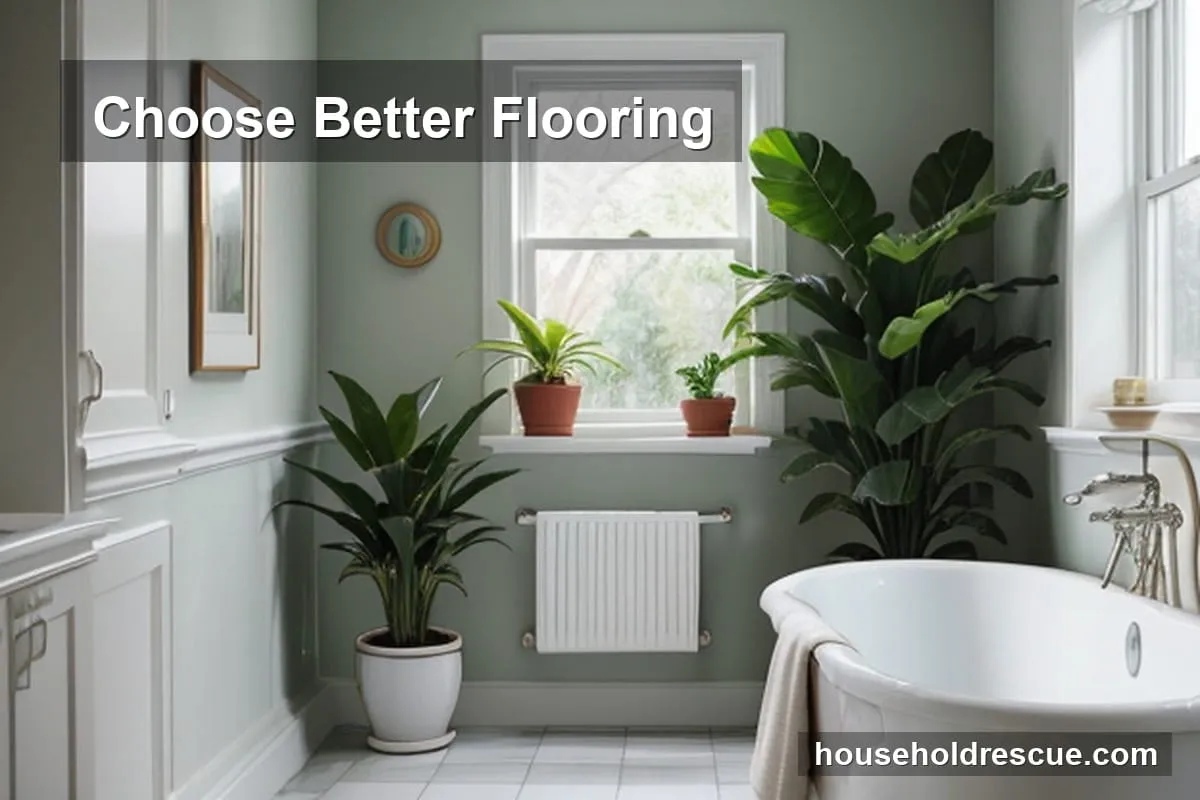
If you are placing plants in a bathroom, the material choice becomes critical. Bathrooms are high-humidity environments, and not all materials react well to constant moisture. Standard untreated wood will absorb humidity, warp, and eventually crack or mold. Similarly, iron stands without a proper sealant will rust quickly when exposed to steam.
For wet areas, look for treated hardwoods like teak, cedar, or bamboo that have been sealed with water-resistant finishes. Metal options should be powder-coated stainless steel or aluminum, which resist corrosion far better than raw iron. If you are looking to maintain a specific aesthetic in these spaces, consider how transforming your bathroom vanity with organizers can also help you keep plant stands tidy and free from water rings.
For living rooms or bedrooms, the humidity is lower, so you have more freedom. Solid oak, walnut, and durable plastics work well here. The key is matching the material's durability to the plant's needs. A heavy fiddle leaf fig requires a stand that won't wobble, while a trailing pothos can hang from lighter shelving.
Top 10 Plant Stands and Shelves for Every Layout
We have curated this list based on real-world functionality. These aren't just theoretical options; they represent the most effective designs for maximizing space and plant health in a typical home.
1. The Heavy-Duty Metal Tiered Stand
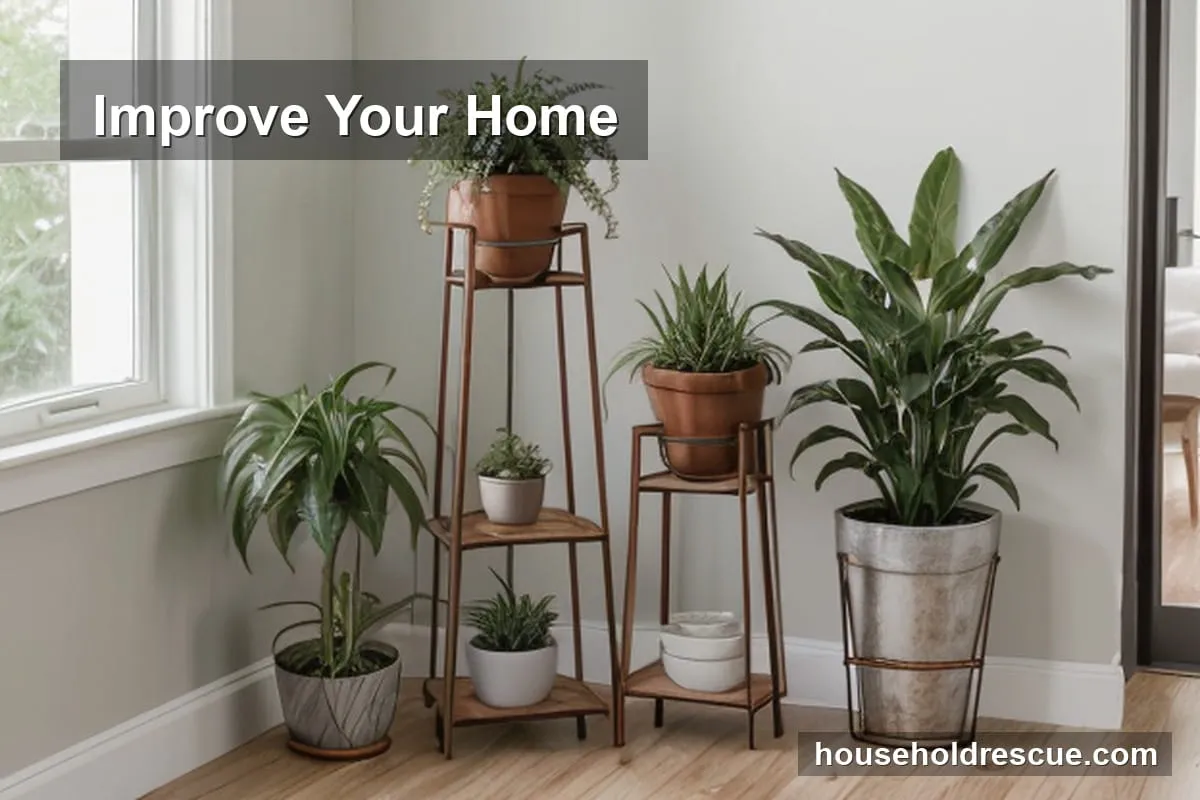
This is the workhorse of the plant world. Typically made from powder-coated steel, these stands feature multiple levels that step down in width. They are ideal for grouping plants by light requirements—you can place sun-lovers like succulents on the top tier and shade-tolerant ferns lower down.
The open metal design ensures maximum airflow to every pot. However, you must ensure the coating is intact; a chip in the paint can lead to rust spots that stain your floor. They are excellent for entryways or sunrooms where you want to display a collection without taking up too much footprint.
2. Teak Wood Wall-Mounted Shelves
For small apartments, floor space is at a premium. Floating shelves made from teak offer the perfect solution because they utilize vertical wall space without touching the ground. Teak is naturally resistant to water and insects, making it superior to pine or oak for longevity.
Installing these requires drilling into studs for heavy loads, but the result is a sleek, modern look that keeps your floor clear. They are particularly effective for trailing plants like string of pearls or pothos, allowing the vines to cascade down without tangling. If you need to keep other surfaces organized, learning smart ways to organize laundry products can give you similar ideas for utilizing vertical wall space in your home.
3. The Rotating Corner Pedestal
Corners are often dead zones where light doesn't reach and air gets stagnant. A rotating plant stand solves this by allowing you to turn the pot 360 degrees. This ensures that all sides of the plant receive equal sunlight, preventing one-sided growth.
These stands are usually made of metal or sturdy wood with a swivel base. They are perfect for large focal plants like rubber trees or bird of paradise in living rooms. The rotation mechanism is simple but effective, making it easy to water and dust the plant without moving the heavy stand itself.
4. Bamboo Modular Rack System
Bamboo is a fantastic eco-friendly material that grows rapidly and offers a warm, organic aesthetic. Modular bamboo racks often come with hooks or clips that allow you to hang smaller pots from the shelves, effectively doubling your display capacity.
The natural grain of bamboo hides water spots better than polished wood, making it forgiving for beginners who might accidentally splash water. These systems are lightweight but surprisingly strong when assembled correctly. They work well in sunrooms or near windows where a bit of rustic charm fits the vibe.
5. Industrial Pipe and Wood Shelves
This style blends raw metal pipes with thick reclaimed wood planks. It offers an industrial-chic look that is incredibly sturdy. The pipe construction allows for wide spacing between shelves, accommodating tall plants that might not fit on standard shelving units.
The open framework means dust accumulates less than on solid surfaces, though you will need to wipe the pipes occasionally. These are heavy-duty pieces that can support significant weight, making them suitable for large ceramic pots. If you have office furniture nearby that needs attention, checking how to clean office furniture can help you maintain the wood surfaces of these stands.
6. Glass Display Cabinet with Shelves
For collectors of rare or delicate plants, a glass cabinet offers protection from drafts and pests while still providing visibility. These units often come with built-in LED grow lights, which is a game-changer for low-light rooms.
The glass acts as a mini-greenhouse, maintaining higher humidity around the plants, which is great for tropical species like calatheas or orchids. However, you must ensure proper ventilation to prevent fungal issues. They are expensive but offer the highest level of control over the microclimate.
7. Foldable Plastic Plant Stands
Sometimes you need a stand that can disappear when not in use. These lightweight, stackable stands are usually made from durable polypropylene. They are affordable and come in various colors to match your decor.
While they lack the aesthetic weight of wood or metal, they are excellent for balconies or temporary displays during plant sales. They are weather-resistant but can become brittle under direct UV exposure over time. They are a great budget option for renters who move frequently.
8. Wrought Iron Scrollwork Stand
This is the classic Victorian-style stand that features intricate metal scrollwork. It adds an element of elegance and old-world charm to any room. The height is usually generous, bringing plants up to eye level for better viewing.
The open design allows light to penetrate through the stand, so it doesn't cast a large shadow on the floor. However, the intricate details can trap dust, requiring regular cleaning with a soft brush. Ensure the metal is well-sealed to prevent rusting in humid climates.
9. Multi-Functional Storage Shelf
These units combine plant display with hidden storage drawers or cubbies. They are ideal for small spaces where you need to store gardening tools, fertilizers, or potting soil within arm's reach of your plants.
The design typically features open shelving on top and closed storage below. This keeps the visual clutter down while ensuring you have everything you need for plant care handy. It is a practical solution for utility rooms or dedicated plant corners.
10. The Hanging Macramé Hanger
While technically not a "stand" in the traditional sense, macramé hangers are essential for vertical displays. They suspend plants from the ceiling or high hooks, freeing up all floor and table space.
The knotted cotton creates a soft, bohemian look that complements trailing plants beautifully. They allow for easy rotation to ensure even light exposure. For heavy pots, ensure the knot is tight and the anchor point in the ceiling is secure. If you are dealing with pests like fungus gnats, understanding why houseplant cuttings rot can help you diagnose issues that might be exacerbated by poor airflow in dense hanging arrangements.
Styling Your Indoor Garden for Maximum Impact
Once you have your stands, the arrangement is where your personality comes in. Don't just place pots randomly; think about composition. A good rule of thumb is to vary heights and textures. If all your plants are round and green, the display will look flat.
Introduce trailing plants that spill over the edges of shelves to soften hard lines. Mix in plants with architectural shapes, like snake plants or aloe, to add vertical interest. Grouping plants by similar care requirements is also smart; don't place a desert cactus next to a moisture-loving fern, as their watering needs will clash.
Lighting plays a huge role in how these stands are perceived. If you have a dark corner, use a stand that allows light to pass through it rather than blocking it. You might also consider adding a small spotlight or grow light directed at the foliage to make the leaves pop against the background.
Common Mistakes That Kill Plants (and How to Avoid Them)
Even with the best stands, mistakes happen. The most common error is overloading the shelf. Just because a stand *can* hold 50 pounds doesn't mean you should fill it to capacity. Heavy pots can warp wood or buckle metal brackets over time, especially if the weight is concentrated in one spot.
Another frequent issue is placing plants too close together on a single tier. This restricts airflow and creates a humid microclimate that encourages mold and fungal diseases. Leave at least an inch of space between pots to allow air to circulate freely.
Finally, ignore the "drip zone." If your stand has a tray, empty it after watering. Standing water in a tray will eventually wick up into the soil or cause the pot to sit in moisture, leading to root rot. Regularly cleaning your stands with a damp cloth prevents dust buildup that can clog plant stomata and reduce photosynthesis efficiency.
Frequently Asked Questions
What is the best material for a plant stand in a bathroom?
Teak wood or powder-coated metal are the best choices for bathrooms. Teak naturally resists water and humidity without warping, while powder-coated metal prevents rusting caused by steam and splashes.
Can I use outdoor plant stands indoors?
Yes, provided they are made of materials that won't be damaged by indoor conditions. Outdoor stands are often built to withstand rain and UV rays, so they are usually very sturdy for indoor use, though you may want to wipe them down to remove any dirt or pollen.
How do I prevent my wooden plant stand from warping?
To prevent warping, keep the wood sealed with a water-resistant finish and avoid placing wet pots directly on the surface without saucers. Also, ensure the room has good ventilation to prevent moisture buildup that can cause wood to swell or crack.
Are rotating plant stands worth the extra cost?
For large plants or those in low-light corners, yes. Rotating stands ensure even light exposure on all sides of the plant, preventing it from growing lopsidedly toward a single window source.
How do I clean dust off intricate metal plant stands?
Use a soft brush or a vacuum with a brush attachment to remove loose dust. For deeper cleaning, use a damp cloth with mild soap, then dry immediately with a towel to prevent water spots or rust formation.
What is the best way to organize plant care supplies on a shelf?
Use small baskets or trays to group items like fertilizers, watering cans, and pruning shears. This keeps the area tidy and prevents spills from damaging the stand surface.
This article provides general information for home gardening and interior design. For specific advice regarding plant health issues or structural safety of heavy shelving units, please consult a qualified professional or arborist.
Final Thoughts on Your Green Sanctuary
Selecting the right plant stand is about more than just aesthetics; it is about creating an environment where your plants can actually thrive. Whether you choose the industrial look of pipe and wood or the organic warmth of bamboo, the goal is to elevate your greenery into a space where they receive the light and air they need.
By avoiding common pitfalls like overcrowding or using the wrong materials for humid environments, you set yourself up for success. Remember that your plant stands are part of a larger ecosystem in your home, and maintaining them as carefully as you maintain your plants will pay off in lush, healthy growth.