
You know that feeling when you walk through your front door after a long day? The air feels heavy, maybe a bit stale from days of closed windows and heating systems running. It's not just the physical fatigue; it's how the atmosphere itself seems to weigh on you. I remember one particularly gray winter where my living room felt suffocating despite being spotless. That was when I decided to stop relying solely on opening windows and start bringing nature indoors. The change wasn't instant, but over a few weeks, the air actually felt lighter.
Air-purifying plants aren't just decorative greenery; they are functional tools that actively engage with your home's ecosystem. They breathe in carbon dioxide and release oxygen while filtering out invisible troublemakers like formaldehyde from fresh paint or benzene from furniture adhesives. The Environmental Protection Agency notes that indoor air quality can be 2 to 5 times worse than outdoor air, making the choice of what you bring inside a matter of health rather than just aesthetics[1]. Integrating these plants is about creating a living environment that supports your well-being.
Key Takeaways
- Air-purifying plants remove specific toxins like formaldehyde and benzene, improving indoor air quality significantly.
- Beyond cleaning the air, these plants boost mental well-being by reducing stress and improving focus.
- Selecting the right plant for your home's light conditions is more important than just buying the most popular species.
- Proper care involves avoiding overwatering, which is the leading cause of indoor plant death.
The Hidden Problem: Why Your Home Air Feels Heavy
We often assume that because we live in a modern, sealed-up home, the air inside is clean. In reality, our homes can become traps for pollutants. When you close your windows to save on heating or cooling bills, you are also trapping volatile organic compounds (VOCs) released by cleaning products, carpets, and even new furniture. This phenomenon, known as "sick building syndrome," means that the air inside can be significantly more polluted than the air outside.
While mechanical air purifiers work wonders, they consume electricity and require filter replacements. Plants offer a passive, biological filtration system. They don't just sit there; their leaves absorb pollutants through tiny pores called stomata, and their root systems host beneficial microbes that break down harmful chemicals in the soil. It's a continuous, natural cycle that runs 24/7 without a single plug.
However, simply buying a plant isn't enough. You need to understand which plants are actually doing the heavy lifting. According to research from NCBI, certain species have been proven to remove specific toxins more effectively than others[2]. This means your choice of plant should match the specific pollutants in your home.
Top Performers: Which Plants Actually Clean?
If you are looking to transform your atmosphere, don't just grab the first succulent you see. Different plants tackle different problems. Here are the heavy hitters that have stood the test of time and scientific scrutiny.
Snake Plant (Sansevieria trifasciata)
This is the ultimate survivor for the busy homeowner. The Snake Plant is unique because it performs photosynthesis at night, releasing oxygen while you sleep rather than during the day. It is particularly effective against formaldehyde and benzene, which are common in household cleaners and synthetic fabrics. If you have a bedroom that feels stuffy, this is your best bet.
Spider Plant (Chlorophytum comosum)
A classic for a reason. Spider plants are incredibly resilient and excel at filtering out carbon monoxide and xylene. Xylene is often found in paint thinners and glues, so if you've recently done any DIY projects or have a garage attached to the house, this plant is a smart addition. They also produce "pups" that you can propagate easily, making them a great value.
Peace Lily (Spathiphyllum)
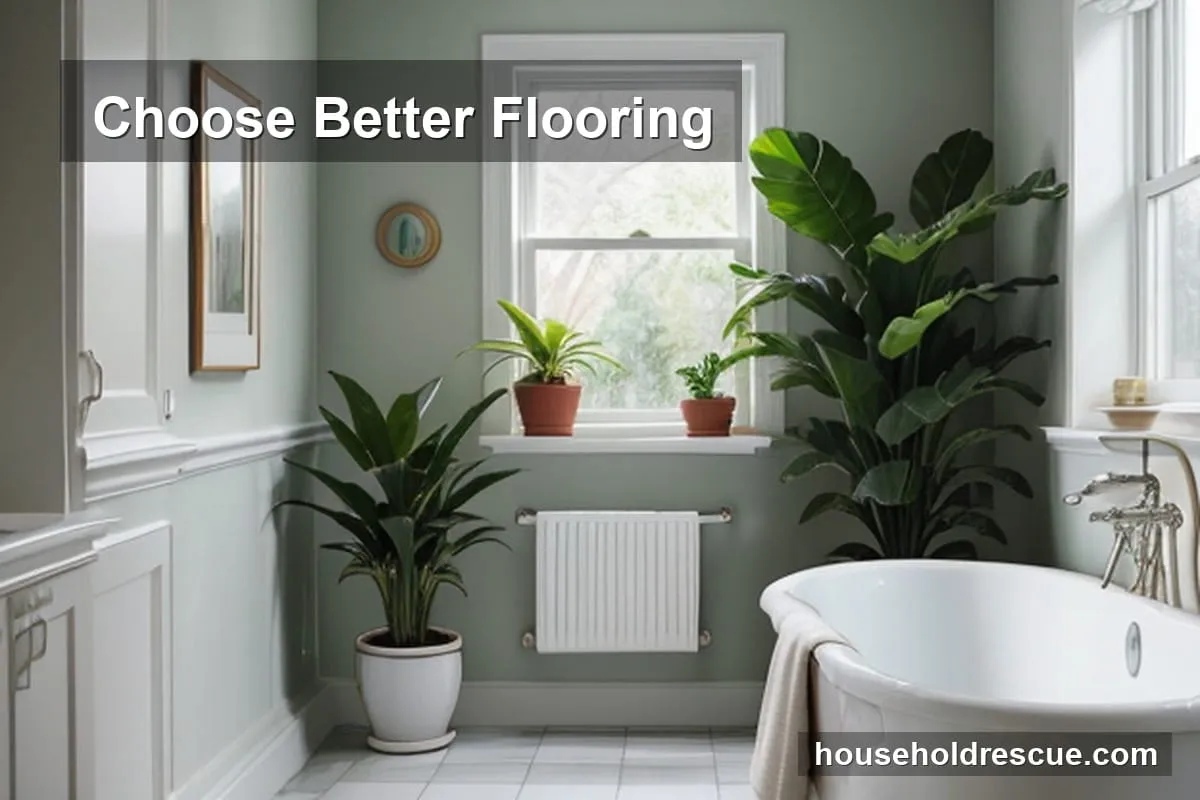
For those with humid areas like bathrooms or kitchens, the Peace Lily is unmatched. It is one of the few plants that actively removes mold spores from the air, which can be a real relief for allergy sufferers. It also handles ammonia well, making it ideal for homes where cleaning products are frequently used. Just keep an eye on its leaves; they will droop dramatically when thirsty, giving you a clear signal to water it.
Areca Palm (Dypsis lutescens)
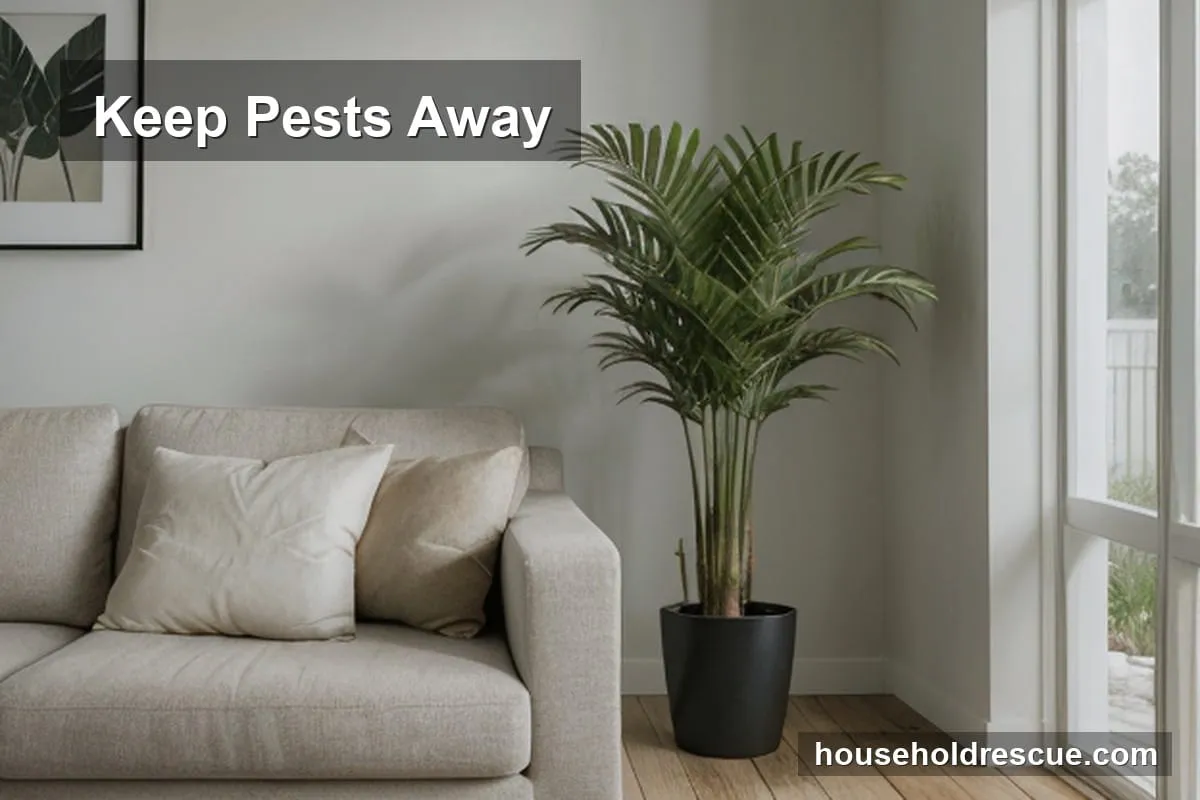
If you have the space and natural light, the Areca Palm is a powerhouse. It is often cited as one of the best plants for removing formaldehyde and acts as a natural humidifier, adding moisture to the air through transpiration. This can be a lifesaver during dry winter months when forced-air heating dries out your skin and sinuses.
English Ivy (Hedera helix)
Ivy is particularly aggressive against airborne mold and bacteria. If you notice any musty smells in your basement or bathroom, placing an English Ivy there can help combat the issue naturally. However, be aware that it needs a bit more attention to light than the Snake Plant.
Pro Tip: Don't Forget About Placement
Having the right plant is only half the battle. To ensure you are getting the full benefit, you need to know where to put them. For instance, if you want to create a cohesive look while managing your living space, check out our guide on how to style your living room coffee table trends tips and expert advice. Placing plants on tables or shelves can elevate the aesthetic while keeping them accessible for care.
How to Care for Your Green Team
Even the most robust plants will struggle if you ignore their basic needs. The biggest killer of indoor plants isn't lack of water; it's too much of it. Overwatering leads to root rot, a fungal disease that kills roots and suffocates the plant from the bottom up.
Light: The Right Amount Matters
Most air-purifying plants prefer bright, indirect light. Direct sunlight can scorch leaves, while too little light slows down their metabolic processes, meaning they filter air less efficiently. If your home is dark, consider using a grow light or rotating your plants to different windows periodically.
Watering: The Finger Test
Before you reach for the watering can, stick your finger about an inch into the soil. If it feels dry, water it. If it's damp, wait. This simple habit prevents overwatering and keeps roots healthy. For plants like the Peace Lily that love moisture, check the soil more frequently.
Humidity: Mimicking the Tropics
Many of these plants originate from tropical regions where humidity is high. If your home is dry, especially in winter, you can boost humidity by grouping plants together or using a pebble tray with water underneath their pots.
Beyond Air: The Psychological Boost
The benefits of indoor plants extend far beyond chemistry. There is a genuine psychological component to having greenery around us. Research suggests that simply being in the presence of plants can lower cortisol levels, which are associated with stress[2].
Imagine working from home or relaxing after dinner. The visual contrast of green leaves against your walls and furniture creates a sense of calm that hard surfaces just can't replicate. It's not just about the air; it's about the atmosphere. A study found that employees in offices with plants reported a 30% increase in productivity and a 25% reduction in stress levels, highlighting the tangible impact on our daily lives.
Common Mistakes That Sabotage Your Efforts
We all want to create a lush sanctuary, but sometimes our well-meaning actions backfire. Here are the pitfalls to avoid if you want your plants to thrive and do their job.
Warning: The Overcrowding Trap
It's tempting to fill every corner with greenery, but too many plants in a small space can actually create a humid, stagnant environment. This promotes mold growth and pests, counteracting the very air purification you are trying to achieve.
- Ignoring Pests: Regularly inspect your leaves, especially the undersides. Spider mites and mealybugs can spread quickly. If you spot them, treat with neem oil or a mild soap solution immediately.
- Placing Plants in Darkness: Even low-light plants need some energy to function. A plant in a dark closet won't purify anything; it will just survive on fumes until it dies.
- Dust Buildup: Dust clogs the stomata (pores) on leaves, reducing their ability to breathe and filter air. Wipe them down with a damp cloth once a week.
Maximizing Your Home's Potential
To truly get the most out of your greenery, think about how you integrate them into your home's design and maintenance routine.
Strategic Placement
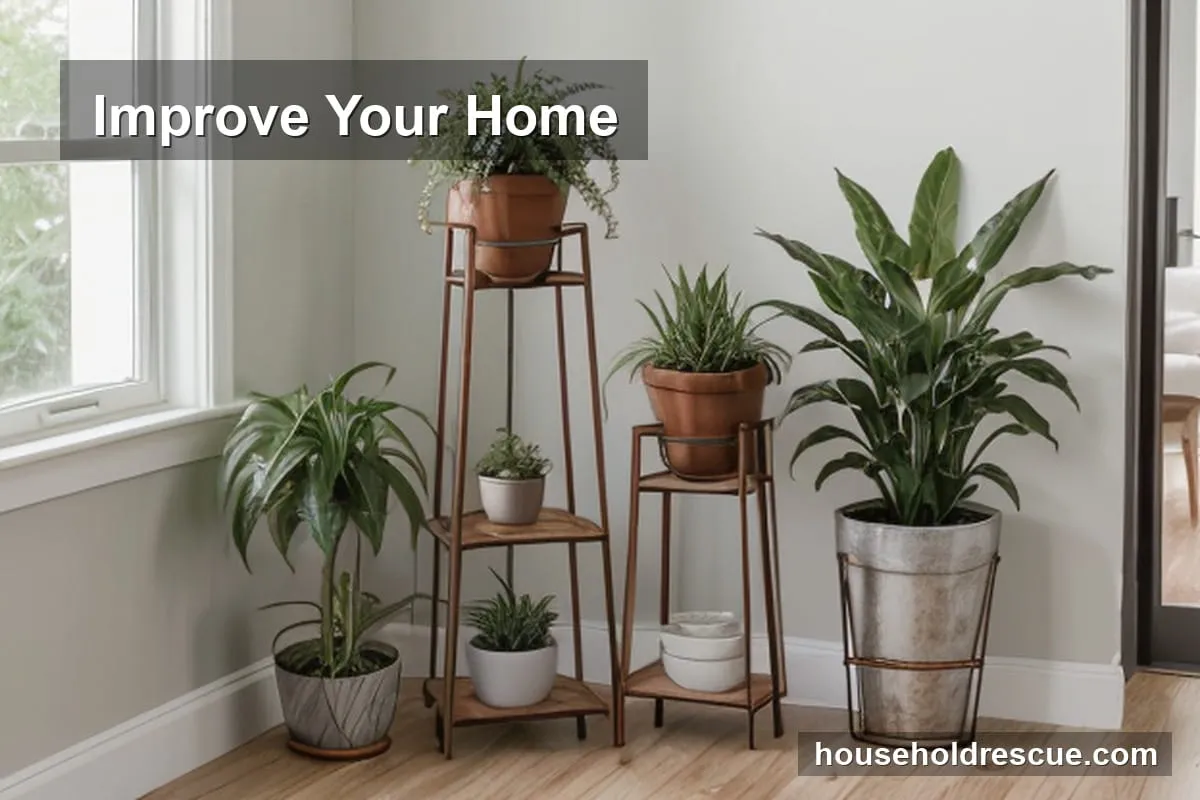
Don't just hide plants in corners. Place them where pollutants accumulate. A Snake Plant in the bedroom helps you breathe better at night. A Peace Lily in the bathroom tackles mold. An Areca Palm in the living room adds oxygen and humidity to the main gathering space.
Combine with Smart Storage
A cluttered home is a stressful home, and stress can make air quality issues feel worse. By organizing your space, you create better airflow and easier access to your plants for care. If you are looking to declutter, consider reading about smart wall storage ideas for contemporary living rooms blending style and utility. This not only frees up floor space for your plants but also reduces the dust traps that clutter creates.
Seasonal Maintenance
Your home's needs change with the seasons. In winter, heating systems dry out the air, so you might need more humidity-loving plants. In summer, pests become more active. A proactive approach to eco-friendly seasonal home maintenance for a sustainable home ensures your plants stay healthy year-round.
Frequently Asked Questions
Can air-purifying plants completely replace mechanical air purifiers?
No, they cannot. While plants are excellent at removing specific toxins and improving humidity, their filtration capacity is limited by the surface area of their leaves. For severe pollution or allergies, a mechanical HEPA filter is still necessary for optimal results.
Are all air-purifying plants safe for pets?
Absolutely not. Many popular air-purifying plants are toxic to cats and dogs. Peace Lilies and Snake Plants can cause mouth irritation and swelling in pets if chewed. Always research pet-safe options like Spider Plants or Boston Ferns if you have animals.
How many plants do I actually need to notice a difference?
Experts generally recommend having at least one large plant per 100 square feet for a noticeable effect. However, the key is variety and health rather than just quantity. A few healthy, well-cared-for plants will outperform a dozen dying ones.
Do I need to mist my plants daily?
Not necessarily. While some tropical plants like humidity, over-misting can lead to fungal issues on leaves. It's better to use a humidifier in the room or place the plant on a pebble tray with water than to spray it every day.
Can I use artificial plants for air purification?
No. Artificial plants have no biological function and cannot absorb toxins or release oxygen. They are purely decorative. For air purification, you need living tissue that is actively metabolizing.
Need a Fresh Start?
If your home feels stale, sometimes the issue isn't just the plants but the surfaces themselves. Dust and grime on walls can trap allergens. Before you add more greenery, ensure your space is clean by following our complete wall cleaning checklist for a spring refresh to remove hidden pollutants.
Final Thoughts: A Greener Future at Home
Bringing air-purifying plants into your home is one of the most effective and rewarding changes you can make. It's not about creating a jungle; it's about curating a space that breathes with you. From the subtle oxygen boost of a Snake Plant to the mold-fighting power of an English Ivy, these living companions work silently to improve your health and mood.
Remember, consistency is key. A little bit of care goes a long way. If you find yourself needing more organization to make room for your new green friends, looking into how to choose and care for air-purifying plants at home can provide the roadmap you need. Start small, observe how your home responds, and enjoy the fresher, calmer atmosphere that nature provides.
This article is for informational purposes only and does not constitute professional medical advice. If you have severe allergies or respiratory conditions, please consult a healthcare professional regarding air quality solutions.
Sources & References
- Indoor Air Quality — U.S. Environmental Protection Agency (EPA)
- The Effect of Indoor Plants on Health and Well-being — National Center for Biotechnology Information (NCBI)