I remember the first time I walked into a home that truly felt like a sanctuary. It wasn't about the square footage or the high-end finishes; it was the smell of cedar, the rough-hewn texture of a reclaimed wood table, and the way natural light filtered through heavy linen curtains. That house didn't feel like a showroom. It felt lived-in, grounded, and undeniably warm. Achieving that same "cozy rustic" vibe in your own space is less about following rigid rules and more about curating a collection of things that tell a story.
Creating a home with timeless natural decor is an exercise in slowing down. It's about stepping away from the sterile perfection of modern minimalism and embracing the imperfections that make a house a home. We're talking about materials that age gracefully, colors that mimic the landscape outside your window, and textures that invite you to touch and linger. Whether you are working with a brand new build or trying to inject some soul into a dated apartment, the principles of rustic design remain consistent: authenticity, durability, and comfort.
Key Takeaways
- Focus on Authenticity: Prioritize reclaimed wood, stone, and natural fibers over synthetic alternatives to build a genuine rustic foundation.
- Layer Your Textures: Combine rough-hewn surfaces with soft textiles like wool and linen to create depth and visual interest without clutter.
- Curate Lighting Carefully: Use warm, dimmable lighting sources like lanterns and Edison bulbs to mimic the glow of firelight and set a relaxing mood.
- Balanced Functionality: Ensure your rustic style doesn't sacrifice utility by planning functional zones in your living spaces and kitchen work areas.
The Soul of Rustic Design: Why It Endures
Rustic decor isn't just a trend; it's a response to the chaos of modern life. In an era where we are constantly connected, surrounded by glass and steel, our brains crave the organic. A rustic aesthetic taps into that innate connection with nature, offering a psychological anchor. It's the difference between walking into a sterile hotel room and stepping into a cabin after a long day.
The beauty of this style lies in its durability. Unlike fast-fashion furniture that chips or fades, rustic pieces are built to last. They often feature solid wood joinery, stone countertops, and leather upholstery that develops a beautiful patina over time. This "lived-in" quality means your home evolves with you rather than becoming obsolete.
When designing for a cozy feel, the goal is to create a space that feels protected yet open. It's about grounding yourself in materials that have been around for centuries—wood, stone, clay—and using them to frame a comfortable, functional living environment. If you want to dive deeper into specific styles that blend this aesthetic with modern comfort, looking at top rustic farmhouse decorating styles for timeless designs for cozy living spaces can provide excellent structural inspiration.
The Psychology of Natural Materials
Why does a room with exposed brick and a stone fireplace feel so much more inviting than one with drywall and laminate? It comes down to biophilia—the human tendency to seek connections with nature. Studies suggest that exposure to natural materials can lower cortisol levels and improve overall well-being. By incorporating elements like raw timber or unpolished stone, you are essentially bringing the calming effects of the outdoors into your sanctuary.
Step 1: Selecting the Right Foundation Materials
You cannot build a rustic home on a foundation of plastic and particle board. The first step is to identify the core materials that will define your space. The key here is "truthful" materials—things that look exactly like what they are.
Reclaimed Wood: The Heart of Rustic Design
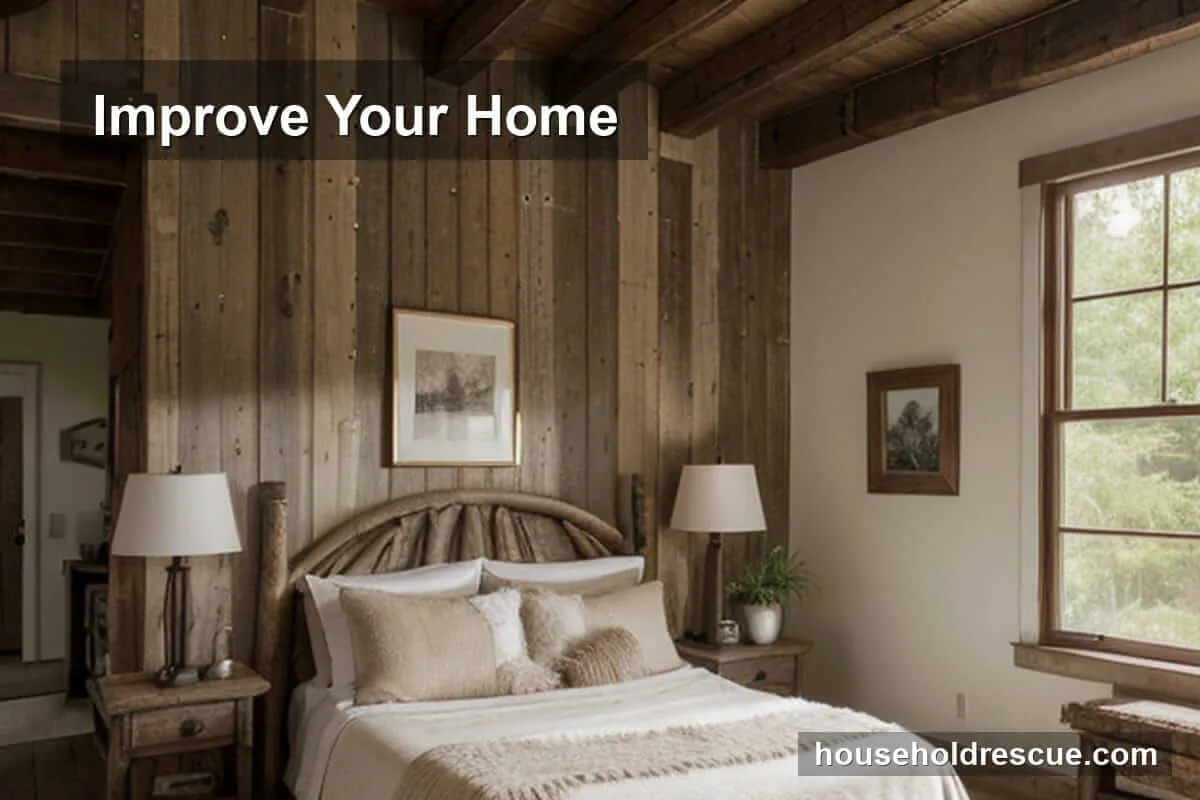
Reclaimed wood is perhaps the most iconic element of rustic decor. It brings history into your home. A beam salvaged from a 19th-century barn has stories to tell, visible in its nail holes, tool marks, and weathered grain. It doesn't need to be perfect; in fact, it shouldn't be.
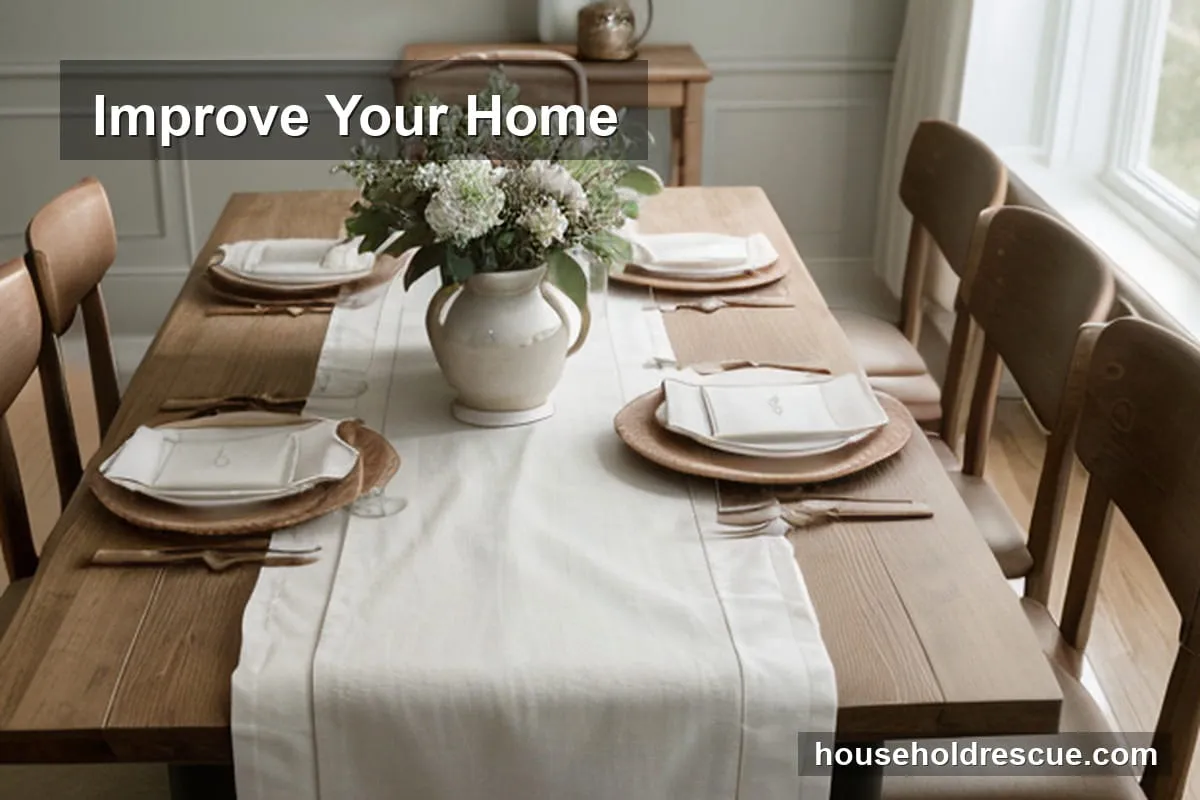
When sourcing wood, look for oak, pine, or walnut. These hardwoods are dense and durable. You can use reclaimed planks for accent walls, floating shelves, or even a dining table. The goal is to highlight the grain and the knots, not hide them under a thick coat of varnish.
Stone and Brick: Adding Weight and Warmth
Stone adds a sense of permanence. Whether it's a full stone fireplace or just a stack of river rock on a mantel, it grounds the room. Brick, especially exposed red brick, brings an industrial yet warm texture that pairs beautifully with softer elements.
Natural Fibers: The Soft Counterbalance
While wood and stone provide structure, you need softness to make the space cozy. Natural fibers like wool, linen, cotton, and jute are essential. They breathe better than synthetics and offer a tactile experience that is impossible to replicate with polyester.
Popular Material Combinations
- The Cabin Look: Heavy timber beams paired with river stone flooring and wool rugs.
- The Modern Farmhouse: Shiplap walls, matte black metal fixtures, and light oak furniture.
- The Bohemian Rustic: Woven rattan, macramé wall hangings, and driftwood accents.
Step 2: Mastering Earthy Color Palettes
Color is the first thing people notice, but in rustic design, it's about subtlety. You want a palette that feels like it was pulled from the landscape itself. Avoid stark whites or neon brights; instead, lean into tones that have depth and variation.
The Earth Tone Spectrum
Think of the colors you see in a forest floor or a mountain range at sunset. Warm browns, deep greens, ochre yellows, and terracotta reds form the backbone of a rustic palette. These are not flat colors; they have undertones of gold, gray, or rust.
For walls, consider paints with a matte or eggshell finish to reduce glare and create a soft, diffused light. Sage green is particularly popular right now as it brings a calming, organic feel without being too dark. Terracotta adds warmth and energy, perfect for dining areas or kitchens where you want to encourage gathering.
Using Color to Define Zones
If you have an open-plan living area, you can use color to define different functional zones. A darker earthy tone on one wall can create a cozy nook for reading, while lighter creams keep the main traffic areas feeling spacious.
Accent Colors
While the base should be neutral, don't be afraid of small pops of color. Deep navy blue, forest green, or mustard yellow can work beautifully as accent colors in throw pillows, ceramics, or artwork. These deeper hues add richness without overwhelming the space.
Step 3: Furniture and Fixtures with Character
Furniture in a rustic home should feel substantial. It shouldn't look like it was mass-produced on an assembly line. Look for pieces that have weight, solid joinery, and perhaps a bit of wear.
Distressed and Aged Finishes
You don't need to buy antiques to get this look. Many modern furniture makers offer "distressed" finishes that mimic years of use. This doesn't mean the piece is damaged; it means the finish has been treated to show the wood grain beneath, often with chipped paint or rubbed edges.
When selecting seating, opt for chairs and sofas with exposed wooden frames. Leather upholstery, particularly in cognac or tan, ages beautifully and develops a patina that tells a story of use.
The Role of Metal
Metal fixtures add an industrial edge to rustic decor. Black iron, copper, and brushed nickel are excellent choices. Think about the hardware on your cabinets, the legs of your dining table, or the frame of a mirror. A wrought-iron chandelier can be a stunning focal point in a dining room.
If you are looking to upgrade your kitchen, which is often the heart of the home, ensuring it functions well is key. Check out how to design a comfortable functional kitchen workspace to ensure your rustic style doesn't sacrifice efficiency.
Storage Solutions that Blend In
Rustic homes often have a lot of "stuff"—books, blankets, tools. Storage needs to be part of the decor, not hidden away. Open shelving made of reclaimed wood is perfect for displaying ceramics and books. Woven baskets are another excellent option; they hide clutter while adding texture.
Step 4: Layering Textures for Depth
This is where the magic happens. A room with only wood and stone can feel cold and flat. You need to layer different textures to create a sense of depth and tactile richness. The contrast between rough and smooth is the secret to a high-end rustic look.
The Art of Layering
Start with your largest textiles, like area rugs. A jute or sisal rug provides a rough, natural base that contrasts beautifully with a plush wool throw blanket draped over a leather sofa. Think about the interplay of materials: smooth stone against rough wood, soft linen against hard metal.
Textiles and Soft Furnishings
Don't skimp on textiles. Layering throws, pillows, and rugs is essential. Use a mix of patterns—stripes, plaids, or geometric weaves—but keep them within the same color family to maintain cohesion.
- Rugs: Jute, sisal, wool, or cowhide.
- Curtains: Linen, cotton canvas, or heavy velvet in earth tones.
- Pillows: Mix sizes and textures. A chunky knit pillow next to a smooth linen one creates instant visual interest.
Plants: The Living Element
No rustic space is complete without greenery. Plants bring life, color, and a sense of freshness. However, the choice of plant matters. You want varieties that fit the rugged aesthetic.
Step 5: Lighting the Way to Coziness
Lighting is arguably the most critical element in setting the mood. A rustic home should never feel like an operating room lit by harsh fluorescent lights. The goal is warm, ambient lighting that mimics the glow of a fireplace or candlelight.
Warm Color Temperatures
Stick to bulbs with a color temperature between 2700K and 3000K. This "warm white" light casts a golden hue that makes wood tones pop and creates a relaxing atmosphere. Avoid cool blue-toned daylight bulbs in living areas.
Variety of Light Sources
Layer your lighting just like you layer textures. You need overhead lights for general illumination, but the real magic comes from task and accent lighting.
- Pendant Lights: Use fixtures made of wrought iron, wood, or paper shades over dining tables or kitchen islands.
- Lanterns: Metal or wooden lanterns with candles (or LED flames) add a charming, old-world touch.
- Floor Lamps: Look for lamps with fabric shades in neutral tones to cast a soft glow downward.
Smart Lighting for Functionality
You can still enjoy modern convenience. Dimmer switches are essential for controlling the mood. If you have outdoor spaces, consider how lighting extends the usability of your home into the evening.
Step 6: Incorporating DIY and Personal Touches
One of the most satisfying aspects of rustic decor is the ability to incorporate DIY projects. It allows you to customize the space to your exact taste and adds a layer of personal history that store-bought items can't match.
Upcycling Furniture
Instead of buying new furniture, look for solid pieces at thrift stores or estate sales that just need a refresh. Sanding down a dark wooden table to reveal the light grain underneath is a classic rustic transformation. You can also distress painted furniture by sanding the edges to let the wood peek through.
Handcrafted Decor
Ceramics, woven baskets, and handmade textiles add a human touch. Look for items made by local artisans. A hand-thrown vase or a woven rug from a weaver's cooperative adds authenticity that mass-produced goods simply cannot replicate.
Dry Flowers and Botanicals
Preserved botanicals are a great way to add greenery without the maintenance of live plants. Dried pampas grass, eucalyptus branches, or bundles of lavender in a vase bring texture and a subtle scent to a room.
Step 7: Maintenance and Longevity
Rustic decor is durable, but it does require specific care. Natural materials like wood and stone need to be treated differently than synthetic surfaces. Regular maintenance ensures your home remains beautiful for years.
Caring for Natural Materials
- Wood: Dust regularly with a soft cloth. Use wood conditioner or oil annually to keep the grain from drying out. Avoid harsh chemicals that can strip the finish.
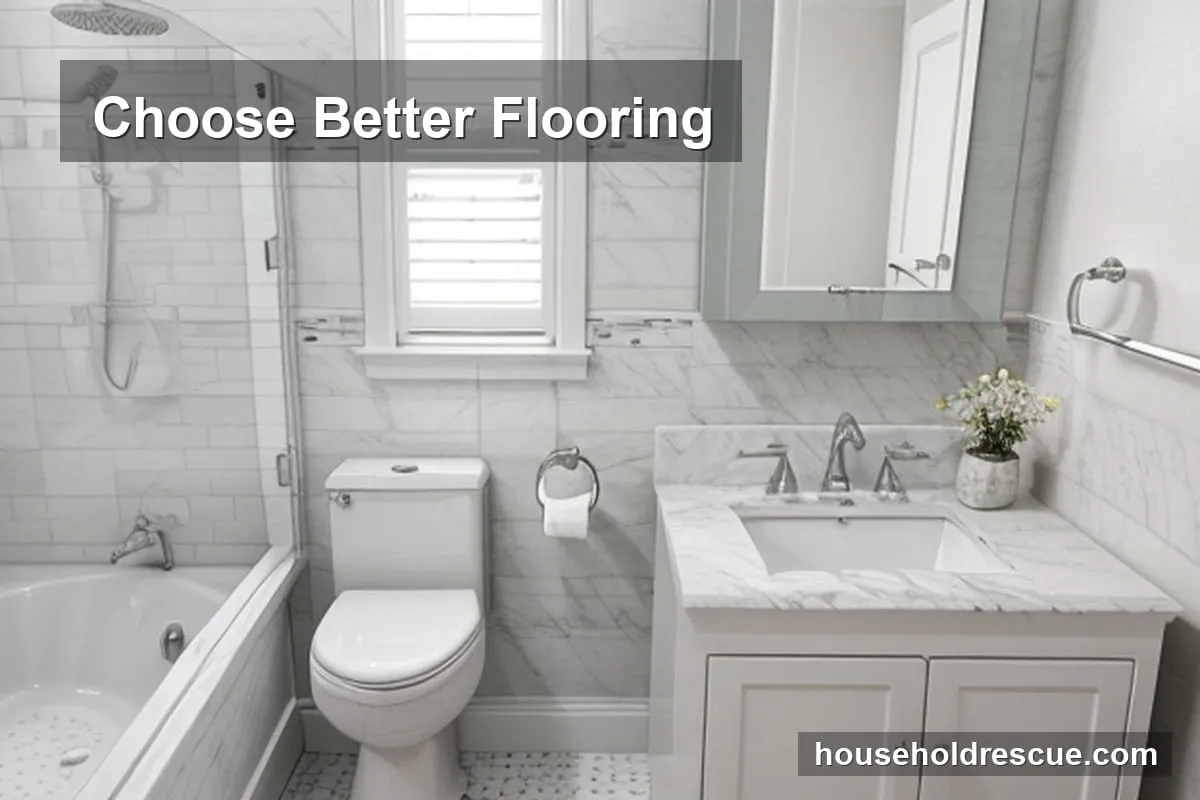
- Stone: Seal stone countertops and floors periodically to prevent staining. Clean with pH-neutral cleaners to avoid etching.
- Fabrics: Vacuum wool rugs regularly to remove dust. Spot clean spills immediately to prevent stains from setting into natural fibers.
Seasonal Updates
Part of the rustic charm is its connection to the seasons. Update your textiles and decor as the weather changes. Swap heavy wool throws for lighter cotton ones in summer, or add more greenery in spring. This keeps the space feeling fresh and alive.
Common Mistakes to Avoid
Even with the best intentions, it's easy to misstep when trying to achieve a rustic look. Being aware of these common pitfalls will save you time and money.
- Overdoing the "Rustic": Filling every surface with antiques and distressed wood can make a home feel like a museum or a theme park rather than a lived-in space. Balance is key.
- Ignoring Lighting: A rustic room without warm lighting can feel dark and gloomy. Ensure you have enough light sources to make the space inviting.
- Using Synthetic Materials: Trying to fake the look with laminate or plastic will quickly ruin the authenticity. Invest in real wood, stone, and natural fibers whenever possible.
- Neglecting Comfort: A rustic home should be functional. Don't sacrifice comfort for style; ensure your furniture is supportive and your layout encourages relaxation.
Frequently Asked Questions
1. How do I start a rustic decorating look on a budget?
Start by decluttering and focusing on key, affordable pieces like a wooden coffee table or a rustic rug from a discount store. Thrift stores are goldmines for finding solid wood furniture that just needs a little sanding and new hardware. DIY projects, such as painting old frames or upcycling crates, can also add character without the high cost of buying new items.
2. Can I mix rustic decor with modern elements?
Absolutely, and it often creates a stunning "transitional" look. The key is balance. Use modern furniture as a neutral base—like a sleek sofa or a glass-top table—and layer in rustic accents like wooden shelves, woven baskets, or natural textiles. This prevents the space from feeling too dated while maintaining that warm, organic feel.
3. What are the best natural materials for a rustic look?
The core materials are reclaimed wood, stone, leather, wool, linen, and jute. These materials add texture and authenticity to any space. For example, a leather sofa paired with a wool rug and a stone fireplace creates a classic, durable, and inviting combination that ages beautifully over time.
4. How do I maintain a rustic space without it looking outdated?
Regular cleaning and updating accessories are the best ways to keep a rustic space feeling fresh. Avoid letting items become too worn or damaged; replace heavily stained textiles and polish wood surfaces when needed. Also, rotate your decor seasonally to keep the look dynamic and current.
5. Are there any specific color combinations that work best for rustic decor?
Earthy tones like beige, terracotta, sage green, and creamy white are the most effective. These colors create a warm, cohesive atmosphere that complements natural materials. You can add depth with darker accents like charcoal or navy blue, but keep the overall palette grounded in nature-inspired hues.
6. How can I incorporate plants into a rustic space?
Use potted plants in natural containers like terracotta pots, woven baskets, or ceramic vessels. For low-light areas, consider hardy varieties that thrive in dim conditions. If you need specific advice on which plants are best for those darker corners of your home, best indoor palms for dim rooms low maintenance plants that thrive offers great options.
7. What are the best rustic lighting options?
Choose pendant lights with wooden or metal finishes, lanterns, and candles to create a warm glow. For outdoor areas where security is a concern, consider signs doors windows need immediate repairs to ensure your home is secure before adding exterior lighting.
Final Thoughts: Creating Your Own Sanctuary
Crafting a rustic home is less about adhering to a strict style guide and more about curating a space that feels true to you. It's about embracing the beauty of imperfection, valuing the history in old wood, and finding comfort in natural textures. By focusing on authentic materials, warm lighting, and thoughtful layering, you can create a home that is not only visually stunning but also deeply comforting.
Whether you are working with a small budget or renovating an entire house, the principles remain the same: prioritize quality over quantity, choose materials that age well, and don't be afraid to let your personal style shine through. Your rustic sanctuary is waiting to be built, one piece at a time.
This article provides general information on home decor and design. While the tips are based on standard practices, always consult with professional contractors or designers for specific structural repairs or major renovations.